AI and “writing in your own words”. On conversing with students

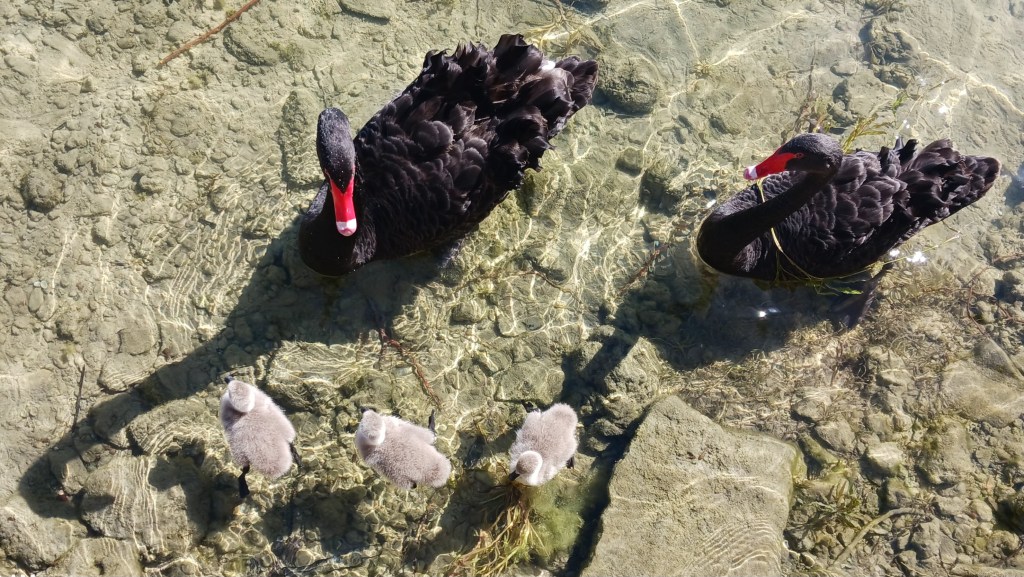
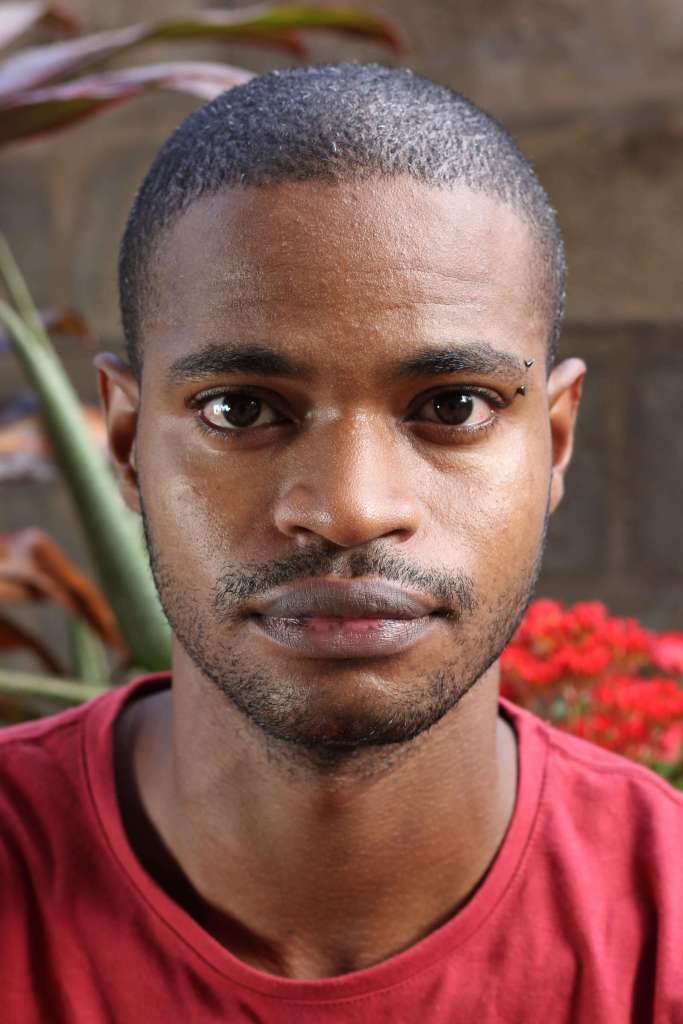
See cover photo last blog – still not AI created

Here comes the AI post related to teaching, building on the first one a few weeks back. In the meantime, I had some nice conversations with some of you on AI, and some more insights related to students and their ways of dealing with it. Reminder, I think that a) AI is overrated vis-à-vis human intelligence, and b) it is REALLY important that we human brains & bodies continue doing the work of thinking, lest our thinking muscles atrophy. Thinking requires time, error, friction – it is a process first, and an outcome second. 

With that, let me pivot to the core area of my life where AI plays a role – teaching. Smart AI experts will tell you that “100% of students use it”. See for example, Bowen and Watson (2024), Teaching with AI. A practical guide to a new era of human learning, page 4 (in the first edition – just noticing that there is already a second one). That is not true based on what students tell me (I am assuming here that it would be hard for them to lie in my face). But of course, many students do use it.

What should we professors do about it? Interestingly, this is one of the few areas where our institutions have given us extremely vague guidelines, some would even say: freedom, which, as you may recall, is under threat in many other ways. Everything is in the discretion of the professor; increasingly, we are offered workshops on how to integrate and benefit from AI in teaching. But it really feels more like the administration thinks this is a problem faculty should figure out in the classroom, and they are watching (I would predict they get more proactive once the possibility of a lawsuit enters the picture). Indeed, I have had several conversations with colleagues – we are all somehow, and un-coordinated ways, dealing with this which must be confusing for students, to say the least.

So, a plurality of measures has been developed by thousands of college professors. Personally, I was pleased to see that the straightforward approach of “my teaching is now based on AI” has not been favorably received by students. In at least one case at Northeastern University, they thought they deserved more for their hefty tuition.

My own approach is limited, but has evolved, and in a way that I increasingly enjoy. I started with treating AI pretty much like plagiarism – you cannot steal work (plagiarism); you can also not have a machine produce your work for you. In other words, YOU should do YOUR work. How to deal with this exactly? Our online course management system has both a plagiarism and AI checker, so I can produce reports if either appears in a student’s submission. Because the AI detection is not 100% reliable, I send the report to the student with a reduced grade (say: 60% of the text seems to be AI generated, grade of 10 points is reduced to 4) and ask them to come see me and tell me their story. I then ask them questions like: Did you use AI or did you write this yourself? If self-written, how did you write it? Any thoughts why the AI detection flagged this section of the text? And so forth. At the end of this process, if a student tells me they did NOT use AI and I find this plausible, I change the grade. In other words, the AI detector is not treated as ultimate authority; only if the student does not come talk to me (which happens a lot).

These encounters with students have been eye-opening to me in several ways. First, more students come to see me, and I welcome the fact that this policy creates a new incentive for conversation; we often talk about other things as well. Second, several students have admitted openly using AI. They did it because of time pressure or other chaos in their lives that prevented them from completing the assignment properly. These students are honest, profoundly sorry, and often among the best students in class. I see them take responsibility for a mistake, and many of them vow to not ever do this again. I usually give them a second chance. After all, these students have a very clear understanding of what they are supposed to do.

Third, some students come in and are surprised, shocked and even ashamed that their work should contain AI use. They say they would never cheat and take pride in their work. We then try to find out what happened in the flagged text passages. Some say they use Grammarly to “clean up their language”. Supposedly, according to the detection tools, using this program should NOT be flagged, but apparently, the boundaries between all these programs are getting blurrier by the day. For many of my students, English is not their first language. And even those for whom English is the first language use it. I often suggest not using Grammarly for their next submission to see what happens. And I tell them that it would be good for them to improve their writing independently, without relying on a program (as we had to do in the olden days when Grammarly did not exist – this usually earns me some confused looks).  

Fourth, there are students who say things that I first don’t fully understand. As the conversation goes on, I realize that they have a completely different idea about what “writing” and “doing research” means. One student told me they did not use AI, only for structuring the essay. Ok, that is AI use. But why does the student think it is not? So I keep asking, and I hear things like: “I only ask xxx for the outline, and then I fill it in.” Fill it in with what exactly? And how is “structuring the essay” not part of the writing process? Again, my advice: try the next one without using AI.

In another case, the student says they did not use AI but then mused that perhaps in the sections where they summarized literature AI use came up because they translated that summary from Spanish into English. I ask: how did you translate it? Of course, the translation was done by google, not by the student. I suggest that this meant they did not translate it, but had it done by a program; I explain that translation, done by humans, is complex work and that we have a program at the university to become a translator/ interpreter. The student did not know that and became really interested in checking out the program.

Relatedly, I also realized that “summarizing literature” to some of my students does not mean what it means for me, namely “reading it (if not in its entirety, then cursorily), taking notes, and then writing summarizing sentences about it”. Instead, they use summaries already written about that literature they can find online, copy and paste it, and then edit it. The notion of “writing in your own words” which I use in abundance in my syllabi and assignment prompts, that in my own college days really meant to sit down with paper and pen and do that – has, if not evaporated, profoundly transformed. Here, I nostalgically recall my final MA exams, handwritten, over 6 hours. What an achievement that felt to be.

Bottom line: I think it is true that for kids, teens and people in their 20s, there is very little separation of life on- and offline. They do almost all their writing for college through internet-connected computers and phones. What are their own ideas in this context and what are others’? They have a thought, check something real quick, include it in what they are writing, and why should they not have a chat with a chatbot on this, who will probably be helpful in the process? Many of us college professors also realize another parallel: what AI checkers detect as AI produced – generic writing, repetitive sentence structure, certain word choices, etc. – is EXACTLY how many of our real life, blood and flesh, students WRITE. And why is that? Probably because their lives take place in the same spaces where Large Language Models are being trained. The interconnectedness is undeniable. 

I assign AI use in limited ways and to create a learning moment (for example: think about topics you want to write your research paper about; write three choices down; then ask AI for paper topics; then make a final choice and reflect on this process). So far, I can say that these reflective engagements with AI have helped me understand my students better, and I think they have clarified some things for them in a very uncertain space. Further, I have seen that MANY students have a clear understanding of authorship and their own creativity and intelligence. For example, some wrote in their reflections they “don’t trust” AI or prefer to come up with their own ideas because they find them more interesting. I feel energized by such answers and commit to supporting these young minds in their unique intellectual development.

To conclude, let me share one interesting chatbot answer. In a class on Postcolonialism, I asked students to answer the question why they did not speak Miccosukee (the language of one Native American tribe in South Florida). It was a surprising question to them, because the Miccosukee language community is very small; accordingly, many answered that they did not know anybody speaking it, that it was not taught in school, and that while they knew about the Miccosukee, they also knew that US history is based on erasure of indigenous peoples. In class, we expanded on the discussion re: colonial erasure. Here, I am sharing parts of the answer I got from ChatGPT to this question:      

“That’s a thoughtful question! I don’t speak the Miccosukee language primarily because: … My language abilities are based on the data I was trained on, and Miccosukee is an endangered language with limited publicly available resources … Indigenous languages like Miccosukee are often preserved by the community through oral tradition and selective teaching. That means the language may not be widely published or digitized—both of which are necessary for me to learn from. … Some Indigenous communities … view their languages as sacred or culturally sensitive. Not all of them want AI models or outsiders to access or replicate it, and that choice deserves respect.”

An ”honest” answer in terms of recognizing the limitation of LLMs. AI “knows” that it knows nothing beyond the universe of truths and falsehoods the internet has become. Great answer, ChatGPT! As for us humans, let’s continue to cast the net of learning wider than that.

A family of black swans – probably unaware of AI and still living their lives

AI or not AI? Thinking about knowledge beyond internet uploads (part 1)

Against the odds, not AI-created (but a machine did help)

Does your life feel like it has been taken over by “Artificial Intelligence”? I have a very remote relationship to it but cannot say that it is not influential (while I was typing “Artificial”, Word already proposed “intelligence” to follow – machines telling you what is right have been around for a long time, after all).

A warning: this blog comes in two parts. As I started writing, I realized I had been thinking about AI a lot, but never really articulated a position outside of my brain or beyond discussions on one of the many new articles or expert assessments about it. Hence, a lot had been piling up inside me, and the post was getting longer and longer. The first part is about AI as we academics may be dealing with it in our own work, as researchers and knowledge producers; the second is about AI and teaching.  

Thinking back, AI became relevant for me the first time in late 2022, when ChatGPT was launched; at the time I simply felt exhausted. It seemed to be a threat to all that I, and many like me, do. A bit like: You are standing somewhere, minding your own business, when suddenly a massive flood comes at you. All you can do is try to keep standing there, but you might be swept away and must focus all your energies on not drowning.

What is it that we do and that felt so threatened? Thinking. Creating knowledge. All of a sudden, it seemed like this complicated work can be done much better, and much faster, by a new invention (I try to resist the all-too-common anthromorphizing of AI here). Why do something that can be done much better and more conveniently FOR you? Sounds like the story of modernization – thinking of the washing machine, the calculator, the computer – what could possibly be problematic about that? Perhaps that your thinking muscles, if you don’t use them, might regress.

There have been – and continue to be – so many prognoses about how AI will change our lives. Some are sensational, some dystopian, others ooze authority about how to best harness this new tool for your benefit and for the best purposes. In the academic world, it seems that many people do the “harness for your benefit/ best purposes” strategy.

I recall the first time I was directly affected by this kind of AI use: a colleague who had agreed to write a letter for my promotion file sent a draft of that letter to me and asked for my feedback (Was everything ok? Did I want to add anything?). I had one or two comments but really did not want to further burden the colleague, as I was truly grateful that they had taken the time. In the answer of that colleague, I learned that the letter was composed by AI. That felt awkward. The letter sounded fine to me, a bit general, but checking all the boxes that a letter of support should check. My gratitude shrank, to be honest. Was I not worth the effort for a REAL person to write a recommendation for me? I get it, of course: writing substantive letters takes time, and we are all chronically time constrained. Sometime later, I heard colleagues talk about their routine use of AI for the many letters of recommendation they are asked to write for their students. The matter-of-fact way they mentioned this was so surprising to me that I could not even verbally express my surprise. Students and former students: as of this writing, I can attest that ALL of the letters I have ever written for you have been human composed. By myself. I admit that I use a certain pattern (where do I know you from, what can I say about your academic achievements, which are your particular strengths …), and I cannot guarantee each letter was of high quality; but I took the time.

I kept thinking about this AI composed letter by my colleague and can say I got used to this new reality. I am not bitter (to quote our favorite Miami comedian Dave Barry)! In retrospect, I should have asked HOW they used it – and could have learned something. Also, I admit that the many letters that I have to READ (like, for applicants to our Graduate Program) are often pretty generic, and sometimes of a quality that suggests AI assistance might have improved them significantly. Still: a piece of advice for all of you trying to get a job or get into a program: I learned from The Professor is In that when a lot depends on it – for example, when writing a cover letter for a job that you ACTUALLY want – AI is not going to get you on the shortlist.   

When listening to colleagues – and I typically converse with social science and humanities folks about this – the most common AI use that I hear about is saving time in the complex world or knowledge production. For example, it helps to get an overview of relevant literature in a particular area – you don’t have to read everything from A to Z, and AI may be useful in getting comprehensive coverage/ lead you to literature you were not yet aware of. As an expert in a particular field, you have the ability to assess what AI generates for you, so clearly, this new tool enhances the knowledge production you already know how to engage in. Sidenote: my AI-averse significant other sometimes checks AI tools in the field of his expertise and often gets responses to his questions he is unsatisfied with (from outright wrong to superficial to not based on pertinent literature). I guess this tells us that training a program on “what is out there on the internet” aka Large Language Models (LLMs) does not mean you get good information, but rather a lot of replicated information. This cannot be terribly surprising to anyone – even journalist Andres Oppenheimer, who tells us that he has been using chatbots for getting his news, now warns us that these are not always right (and in fact, get “wronger” with each upgrade).

Is this thought still allowed today: can we conceive of knowledge as something beyond an internet upload? Is it perhaps something inside a human (or even non-human) brain and body and between people with brains and bodies? Something that is alive, evolving, context-dependent, molded by those who create it, use it, reuse it, apply it?

As all of you, I get a lot of news about AI. There is the “no alternative” kind. It makes no sense to avoid it (I have done a lot of avoiding, as you can perhaps tell – but let me call that “keeping a sane space for human thinking and interaction”). Rather, “it” will take over. The developments are so rapid, the only thing we can do is try to keep up. Are the bots already leading, and humanity is running after them (if they let us)? I happen to think there is no such thing as “Artificial Intelligence”. What we rather have is “Predatory Pattern Recognition”, programmed by human intelligence. Predatory, because whatever online available knowledge LLMs are trained on was produced by someone (except that we now hear increasingly about AI generated published research – sigh). In their answers, AI tools come across as friendly, knowledgeable counterparts (anthromorphization again – making people “feel comfortable” is a big part of the selling point). And how does the program “know”? Could it at least make transparent what data it draws on? I would call this “citing your sources”. In this context, Academia.edu has been in the headlines recently. Many academics use it to make their work more widely known and some, especially those without institutional affiliation, use it as their website. It recently changed its terms of service, pretty much stating that it allows itself to do anything with the data you upload, including using it for LLMs to get trained on. Many academics erased their account. Academia.edu then backpaddled, but it is probably time to move to scholar-controlled online networks.  

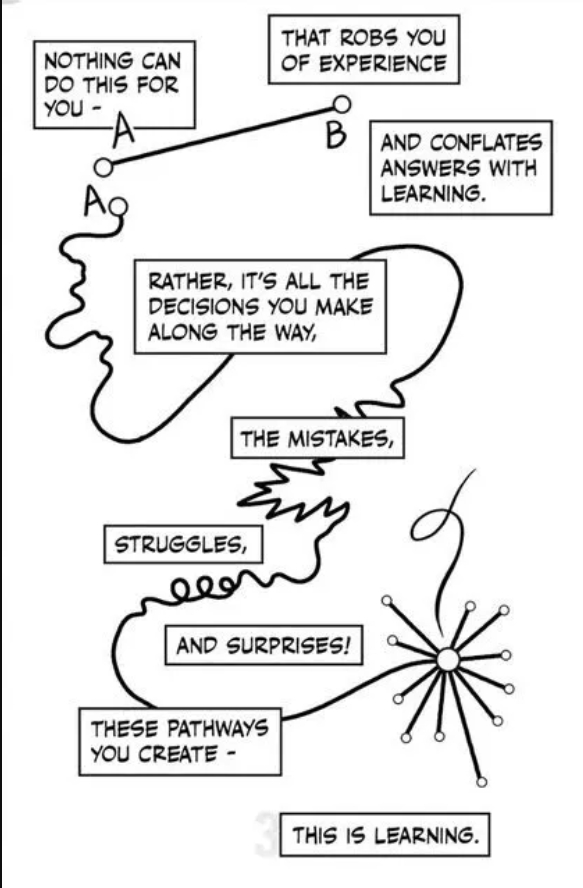
Drawing by Nick Sousanis

Through a colleague, I found this visual created by Nick Sousanis (very cool guy – check him out, he wrote his dissertation as a comic!). It seems like a good encapsulation of what AI does for us and why it is not a good idea to use it if you are interested in learning to think and keep those thinking muscles in good shape. While time might be saved, having the right answer to a question (outcome) is not the same as learning (process – nonlinear, sometimes painful).

A few final thoughts: First, I have approached the issue from my own experience, and accordingly, inexperience in other fields. These other fields might be more interesting. For example, in ”What if there’s no AGI?” Bryan Macmahon takes a look at the financial implications of the AI hype. He talks about the limits of LLMs that their own creators have been aware of for a long time. But since they still wanted to make money, they lured investors to sink huge sums into the “next internet” – a problem that could result into another economic bubble (the burst of which will harm all of us, not just the investors).

Second, if you want to know how bad AI is for the environment, watch this video conversation by Inside Climate News “Is AI throwing climate change under the bus?”. Admittedly, the question is a bit misguided, as the conversation is about measures to STOP climate change being thrown under the bus, but the short answer is: Yes, exclamation mark! The data centers use tons of electricity and water. Longer answer – it depends on how this demand is going to be satisfied, by fossil fuels or renewables (guess what plans the current US administration has on that). So, how about thinking about AI use as if replacing your nice hybrid, or even electric car with the worst gas-guzzler you can imagine? To make it more normative: do you really not care how much this goes in the wrong direction, beyond the comfort of it all??    

Rodell Warner

Finally, have I come across anything REALLY good about AI? Yes. When it is used for creativity, as Caribbean visual artist Rodell Warner demonstrates in this post: Brief and Candid Notes on Artificial Archive. He writes about the many limitations of historical photographs taken of Caribbean people, especially people of color. They are depicted as the white elite – who took the photos – saw them: more as labor force and part of the estate equipment than actual humans. Warner uses text-to-image AI to imagine how ordinary 19th century Caribbean people might have looked like in their own image, as humans who show their personality, express feelings, have fun, are portrayed for their uniqueness and beauty – check out these stunning photos. It is an odd experience because the photos deviate so much from what we expect to be shown – humans de-humanized by enslavement and indentureship. I have no idea how this transformation works technically, but it was the first time that I have found AI interesting, enhancing our human imagination.

Where do YOU stand on AI? More on AI and teaching soon.

How do you braid your personal and political?

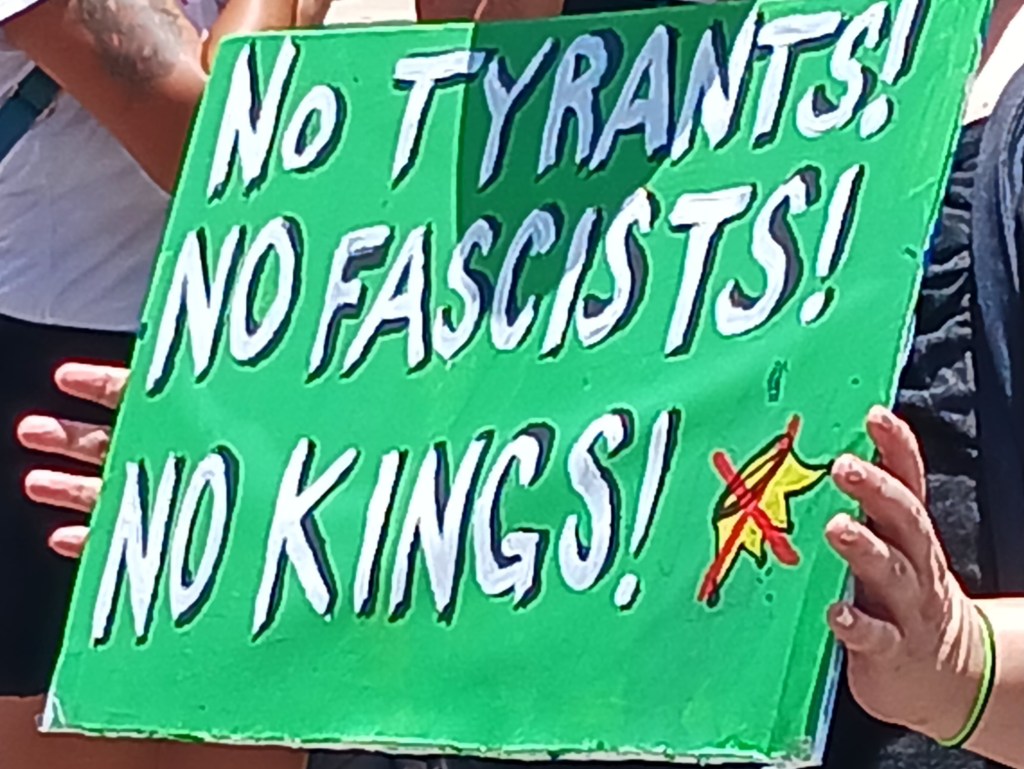
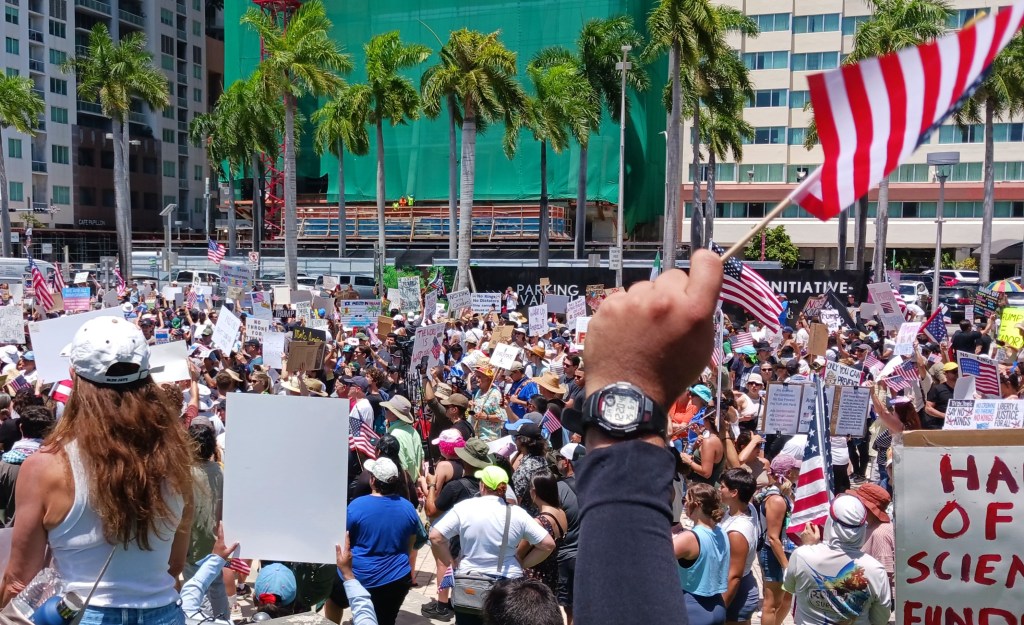
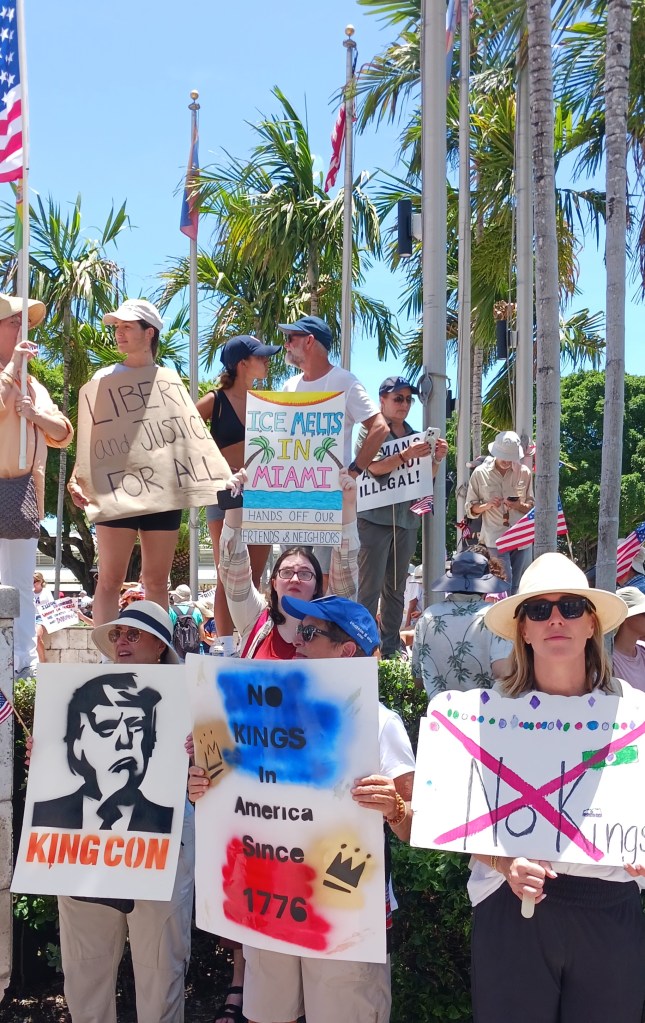
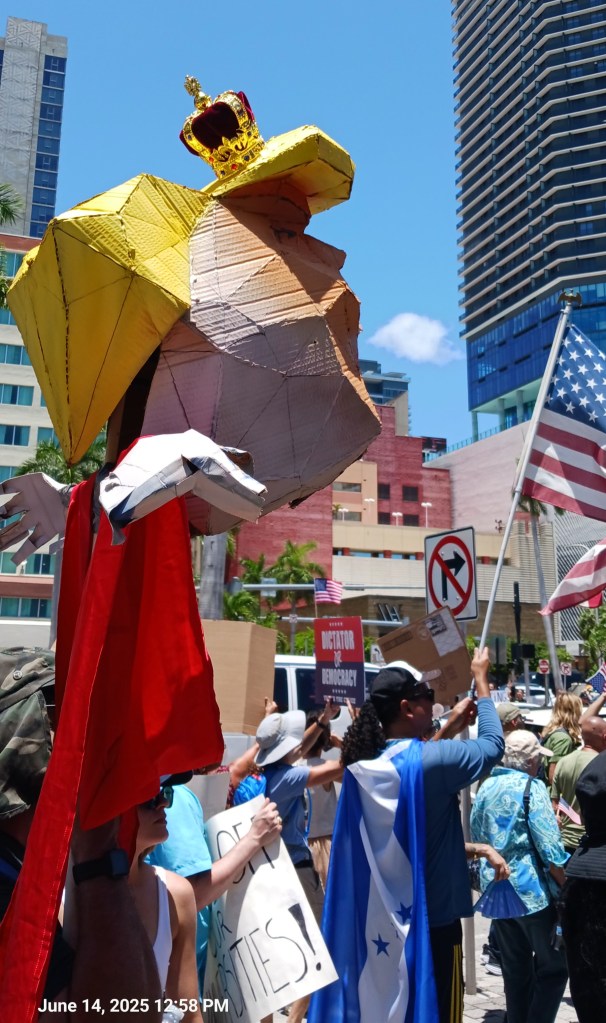
NoKingsDay rally in downtown Miami

Greetings from the academic summer, the months from May through August in which we have a lot of flexibility, can “do what we want” (typically a mix of research, travel and relaxation) and are not on contract and or being paid. I consider this long self-determined time a luxury. It allows me to return refreshed and eager to start a new school year each fall.

I am writing out of my summer rhythm, reflecting on the personal and the political and how we make the two hang together. Also, I will talk about the personal and the political AND the public and the private, pretty much interchangeably, even if they don’t mean the exact same thing.

As you know, “the personal is political” is a core feminist mantra. I understand it to mean that many things happening in private deserve public attention because they are relevant for society. Private concerns are often tucked away, not talked about much, not given the weight of being socially important. The private is still much more a female than a male space, and the diminution of the many things women do there stands in stark contrast to the predominantly male public. Feminists have worked hard to pull private concerns into the political limelight, to some remarkable (but still insufficient) success. For example, it is due to feminist scholarship and politics that we now recognize the immense collective value of unpaid reproductive labor (according to a 2024 estimate, about $ 1trillion per year in the US, two thirds of which are performed by women, and predominantly women of color). Similarly, we now understand domestic and intimate partner violence as a structural form of violence that needs to be publicly fought, not as a private matter that is “nobody’s business”.  

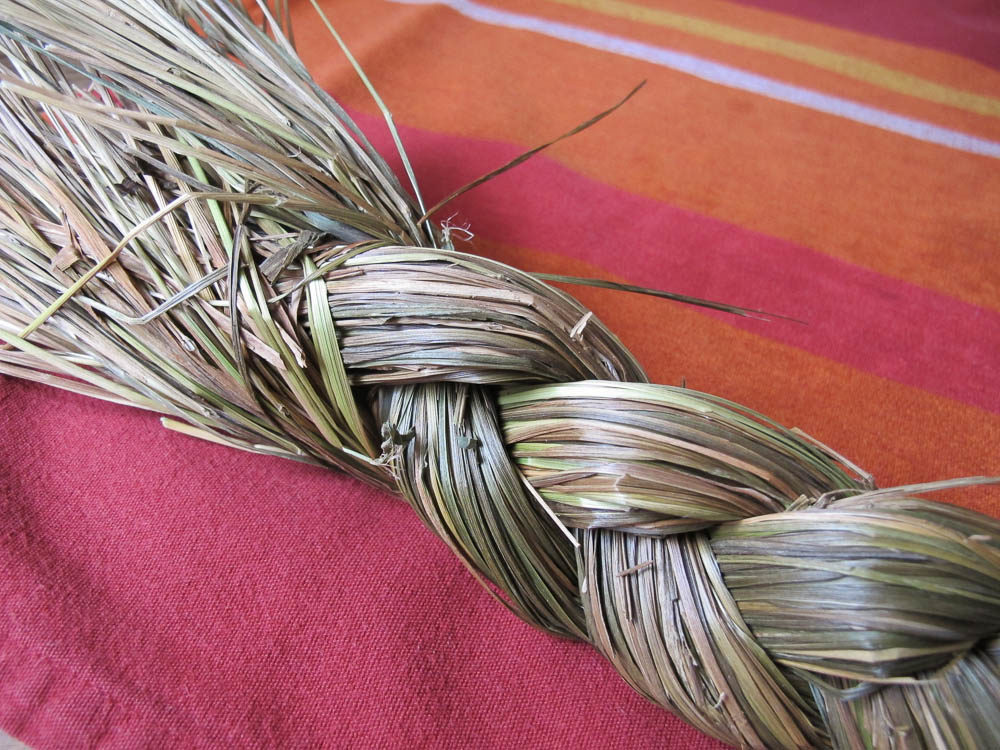
Braiding the public and the private

How does your public/political and private/personal life hang together? I have noticed that I cherish privacy in the sense of protecting parts of my life from public scrutiny. I want to be in control of activities that bring me joy, individually and in close relationships, that include care work and give me the energy I need for my public and professional life. There seems to be a good reason for a separation of public and private, even if I don’t think of it in rigid terms, but more along the lines of harmonious interaction, a bit of yin-yang, a braid – whatever image works for you. As a matter of fact, writing this blog constantly braids public and private, personal and political as I connect broader themes with my own take, and I write this in a digital public space which is mostly accessed by people I know.   

This mutual constitution is my normal public-private. Luckily, I have a healthy family life – not everybody feels safe in private. However, in recent months, this balance has become a bit out of whack due to two things: In my public/ professional life, I spent much more time than usual on political action, protesting policies that undermine higher education and the democratic foundations of this country. In my personal life, something has come up that is concerning. As it is private, I will not say what it is, but rather that I think much about it, am worried, and need to dedicate significant amounts of time to it.

I realize that I am not alone in this out-of-whack situation, but it is new to me. It preoccupies my thinking, I wonder how other people handle it. So, if you have thoughts to share, I would be really interested. For now, let me continue with my story.   

As I mentioned, there has been a lot of political work I have been involved in. I feel that in several instances, I threw myself into this work with more enthusiasm than I would usually have because I could fully concentrate on something purposeful and did not have to think about “it”, at least for a while.  

Two political issues have kept me busy since the last blog: first, the process of Jeanette Nuñez becoming FIU’s next president. I wrote about the surprise of her appointment as interim president in my last blog. Much less surprisingly, she has recently been confirmed by the university’s  Board of Trustees as the next permanent president. Technically, this decision could still be overruled by the Florida Board of Governors or the governor himself, but that is unlikely. Nonetheless, it just happened to Santa Ono who was supposed to be the next president of the University of Florida. He was rejected by the BoG for being too “woke”, or perhaps simply for being an academic.

In the very foreseeable search process at FIU, Nuñez became the only candidate after two others had withdrawn their candidacy. The external firm hired to conduct the search proceeded undeterred (=as if it was an actual search). In late May, Nuñez invited the campus and wider community to attend several “listening sessions” to display her leadership skills. Remember, the summer is the time when faculty are largely absent from campus, doing their own thing. I still went to the faculty listening session but did not hear much in terms of a vision, except for making it “to the top 30”. A reporter from our student newspaper asked a colleague and me a few questions afterwards. Here is what she wrote, with our comments in there.  

Many people did not show up for these sessions because being off contract/ out of town etc., but also because Nuñez’ hire was a foregone conclusion. Presidents of public universities in Florida are now political appointees. This is reported as a fact. This radio show, the Florida roundup, discussed the matter and unfortunately had nothing critical to say about the situation. While I have often seen more critical coverage, this one was very disappointing. At least they did read out some comments from listeners, including mine (at 11:53 min of the show). Gist: our perfectly capable president was replaced for political reasons. We must keep saying it because it will never be ok.  

The second issue we mobilized around was the voluntary agreement of FIU police to collaborate with ICE (Immigration and Customs Enforcement) on campus. Concretely, this means that ICE will now access universities – in addition to schools, workplaces, places of worship, you name it –, supposedly to detain undocumented immigrants, but really to detain anybody they want. A university is a place where everybody should feel safe. Undocumented people are, with very few exceptions, not criminals. But this is now all mixed up in public discourse – they are unlawfully in the country, that makes them criminals, and the rest of the people need to be protected. Only there is no need for protecting anybody from undocumented students. Rather, THEY should be protected from ICE to have a safe place to learn, advance, and make their unique contribution to this country.

Our campus police wants to collaborate with ICE. At a well-attended townhall meeting, the chief of FIU police argued that he and his force “know the community” and therefore could influence the process of detention and make it more humane. However, he does not know how much of a say he will have in the matter. He also had nothing to say in response to the argument that such agreements had been tried before and were abandoned, because not only did they not make things smoother, but they also caused harm. Finally, he stated that this was indeed a voluntary, and not a coerced agreement, but miraculously, about 90% of these agreements have been signed in no other state but Florida. No pressure whatsoever.    

Students, staff members, parents who had planned to see their children graduate – a good number of them are now afraid to set foot on campus. And we have kept showing up to our Board of Trustees meetings to let them know that we do not want ICE on campus. They will not get rid of us so easily.

NoKingsDay rally downtown Miami

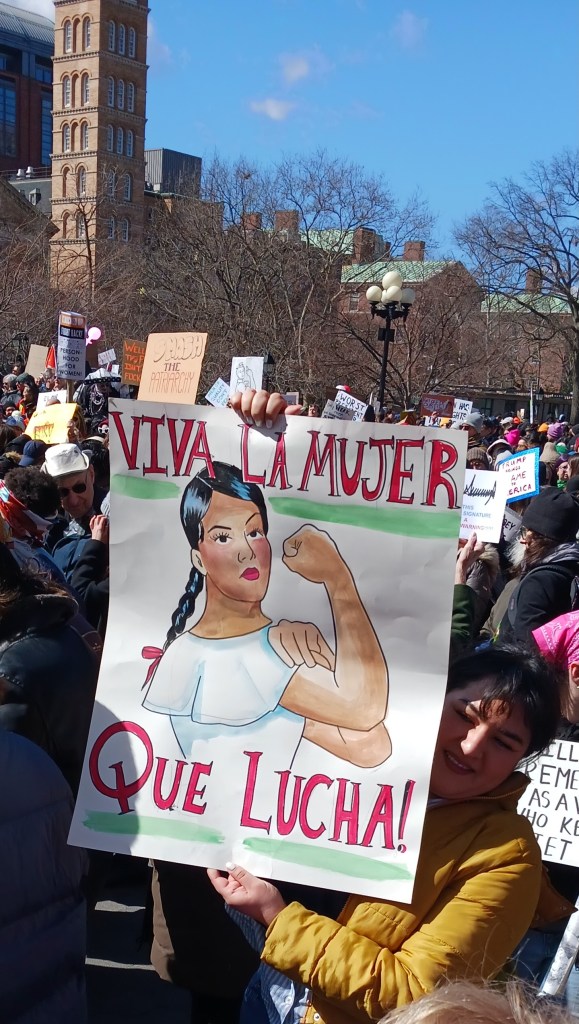
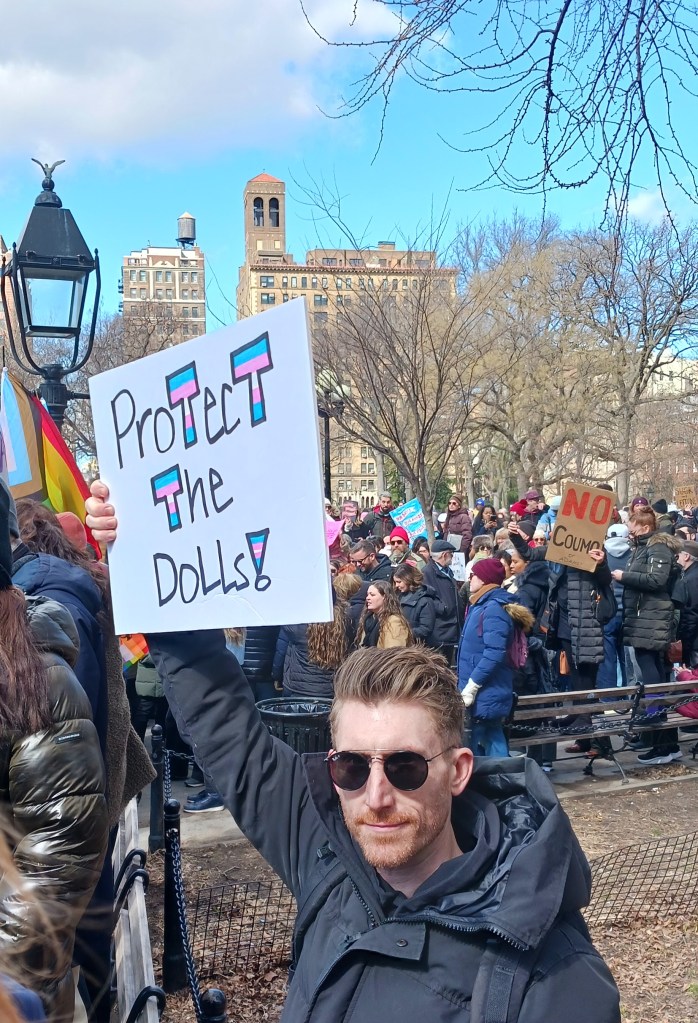
Attacks on academic freedom are connected to broader issues of democracy. This is why I went to the NoKingsDay protest in Miami this weekend, which was a very encouraging event, with thousands of people there, chanting, dressed up, with fun and creative signs (see some visuals throughout this blog). Of course, the question is how to channel this energy into a real and lasting defense for democracy.

When I was driving back home, the question of this blog – how the public and the private hang together – came to my mind. I love political work, it comes with a degree of community – shout out to my union chapter, the United Faculty of Florida at FIU – and a sense of accomplishment. But I have also sometimes withdrawn from it for lack of energy, or because my private issue took up all my time and brain space. For me, private concerns dwarf collective ones – I feel them closer and with more pain. So, when I was done with my feel-good public work (feel-good in the sense that we showed up together), the shadow returned. And work needed to be done to reconstitute my mental balance. Sometimes the private and public also feel like a see-saw – they take turns, need each other, and feed off each other.

Right now, my private concern does not belong in public. It is shared with a small circle of trusted friends. Keeping it tucked away is not always useful, but when pondering how I feel about everything, the “privacy option” prevails, simply because it gives me control. Thankfully, my small network gives me nourishing support. Love you all.  

There is no conclusion here – the process is ongoing. I hope this was not too strange a blog for you, part bragging about political work, part writing about an issue but not revealing it. I can only say: on my end, this is as much as I can comfortably offer. I would love to hear from you about your own personal-political, public-private convolutions. Either in public (here in the comment option) or in private (via email, see “about me”, on the phone, in person …). As you prefer.     

Coping strategies in a crumbling democracy – a snapshot

It is late March – for those of you outside of the United States: March is women’s history month here, just as February is Black history month – both traditionally times when events are organized to celebrate women and African Americans. This year, google has, for “apolitical reasons” stopped to mark these events, just as it has stopped to make an effort to hire employees from underrepresented groups, a policy that was once proudly touted as DEI (“diversity, equity, and inclusion”)-friendly, but as everything DEI is now vilified by the Trump government, what can a big corporation like google do but fall in line. Also, do me a favor and google “Gulf of Mexico” – it is now renamed “Gulf of America” on google maps, because the US government says so. If you have not yet moved away from google as a company as much as you can, now is a good moment – I recommend the search engine Ecosia which is deeply committed to climate action. Also, you still get the “Gulf of Mexico” if you ecosia instead of google it.

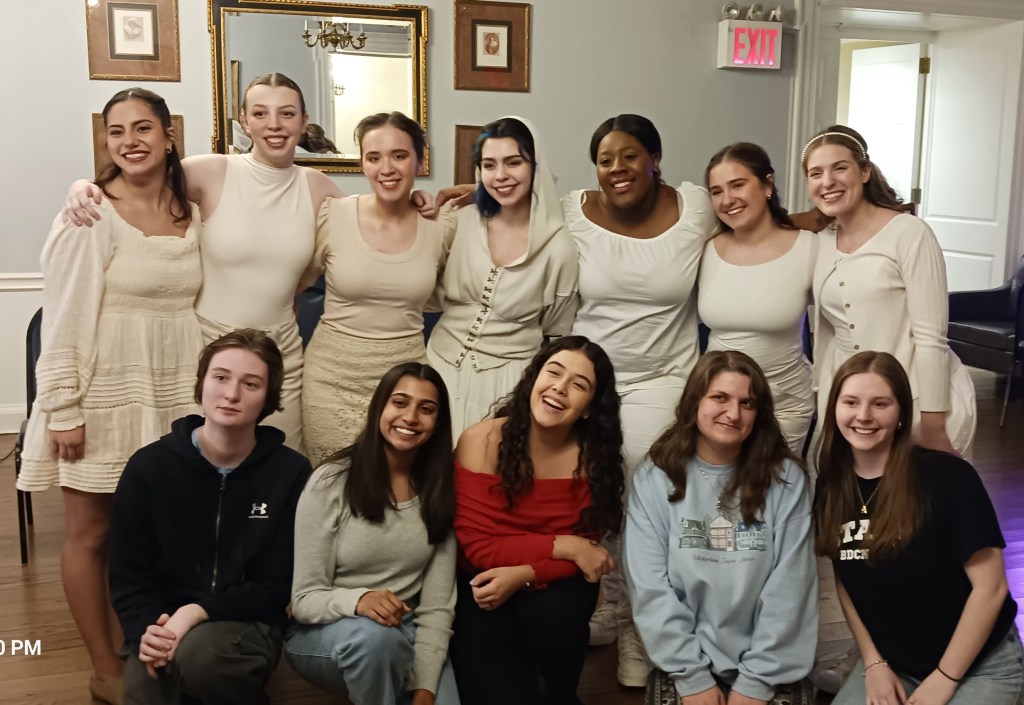
The Nowhere Women

It may come as a surprise, but I’ve had a GOOD women’s history month. I was part of three powerful events: First (and best!), I saw a wonderful play, “The Nowhere Women”, written by Bella Panico, a fellow student of my daughter Celeste, performed by a powerful cast of young women and students at Marymount Manhattan College, including my daughter. It was gut wrenching, beautiful, and intense. It made me grateful for the wisdom and collective love of these young women – amidst everything that is going on right now, it made me hopeful for the future. Yes, it was THAT good.

Second, as I was in New York for the play, I could be part of International Women’s Day march. I love marches, and this one was energetic, spirited, with great signs and many people, all shouting their outrage at the dismantling of US democracy and demands for all kinds of women’s rights.

And finally, back in Miami, I co-organized a zoom event titled “Doing feminism in higher ed – what keeps you going? A check-in session”, in which seven inspiring speakers shared stories, fears, and strategies. It left all 35 of us at the meeting a bit stronger for the struggles to come. And the ones that are already going on.

Speaking of checking in: several friends from outside of the US have been checking on me since – you know when. How are you doing? Where are the mass demonstrations? What is going on, in your space? Are you coming back/ leaving? …

So, it seems to be a good time to write down how things are feeling right now. Apart from the great experiences described above, this is a shocking, demoralizing and paralyzing time. There are so many deeply disturbing things happening, globally, nationally, in Florida, and locally, that I feel 10 times every day I need to do something about x, just to get my attention ripped away by y, which is equally terrible. More often than not, the only thing I do is inform myself, and then I am so exhausted that I do nothing, except my job (which, if I was right in the last blog and an earlier one on “helping young people think”, is also an important intervention in the fight for democracy).

I know I am not alone in this situation, so from those of you who are in the US, I would really like to know how you are coping. I am speechless while observing how little effort it takes to dismantle democratic institutions by a tech bro and his minions; as if no power and legitimacy had ever been behind them. Further, I have noticed that I am most emotionally affected by things happening close by (more on that below).

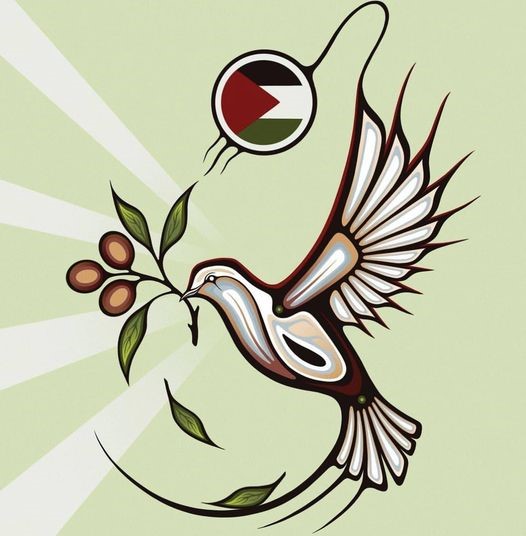
“Palestine is not for sale” rally

It is important to react to such things, but they are often not the ones that seem most urgent to care about. I feel powerless with the big issues – for example, the breaking of the ceasefire in Gaza, the resumption of the horror in full force. And all that comes with it, such as Trump’s publicly voiced plan to turn Gaza into a beach resort (we did participate in a demonstration under the motto “Palestine is not for sale”, speaking of doing something; the passers-by in the US are, inevitably, people in cars, so the interaction was indirect but crystal clear – either people honked and cheered or they gave us the finger; I would say there were more who cheered).

Here in the US, they now come after people who have spoken up for Palestine and arrest and even deport students; there is a list of universities suspicious of “harboring antisemitism” several of which have, facing the threat of losing significant sums of federal funding, agreed to demands of the Trump administration to surveil their students and faculty in ways that, according to some, exceeds the McCarthy era.

When we talk about the dismantling of democracy, we can look in many directions. And one must admit – Trump did not lie about (rather campaigned with) all of this. It has still been very hard to believe, and it is painful to witness. Like the Oval Office Zelenskyy episode. After all that had already happened (Greenland, Panama, Canada, lecturing Europe, tariffs, indiscriminate deportations …) it felt like this would be threshold that could not be crossed – mean middle school-type bullying by POTUS and a ridiculously empty-suited VP. But it was crossed. And you wonder what comes next, and you don’t want to know. And colleagues ask you the next day how you are doing, and you say “fine” (literally in quotation marks, or people already combine the how-are-you question with an apology). Everything seems to be going down the drain, you just don’t know what you, in your own little space, can reasonably do.

Let me share one disconcerting thing that has been going on in Miami, at my own university. You might recall from earlier blogs that when it comes to higher education, public institutions here in Florida have been on the chopping board for years. The DeSantis governorship plus the unapologetically undemocratic Florida legislature have been telling us how to do our job, they insult us for our scholarship, especially in areas they don’t know anything about, they have reduced our job security and made it harder for unions to represent faculty interests. All of this has been demoralizing, and I have asked myself how it came to this – that we, as educators who really work hard to contribute to improving humanity (yes, let me frame it that high-mindedly) are so brazenly denied respect for what we do. But hey – we still have a meaningful job and the privilege to learn and teach. So, this political interference has angered me, but I have also found joy in working with my colleagues to preserve our faculty union and make stronger.

Very recently, however, the powers that be decided that Florida International University should have a political appointee as university president. This had happened at other public universities before, but it still felt like a massive gut punch. Technically, the decision was taken by the university’s Board of Trustees (BOT). I attended the hastily convened meeting of the BOT where this happened. It felt like a Stalinist show trial, just not ending in a conviction, but a coronation. Well, not completely – for one, it was on zoom (which made it much easier to keep out any enraged masses). And then, in the first 15 minutes, public comment was allowed (with prior registration only, and each statement cut off after 60 seconds). Each single speaker voiced concern. If not about the person herself – Jeantte Nuñez, until then Florida’s Lieutenant Governor – then about the process. Most of the speakers were students. When they were done, the chair of the BOT had the nerve to praise their “passion”, only to continue with doing the exact opposite of what these passionate concerns had been about.  

Including the 15 minutes public comments, the meeting lasted less than an hour. Only the single faculty representative (out of 12 BOT members) raised concerns about the replacement of our then – pretty decent! – president, and about the haste in which this decision was taken, circumventing the steps of an actual presidential search. Nobody even bothered to make a substantive argument for the appointee, it was enough to declare her appointment a “brilliant idea”, especially because it had been suggested by the governor’s office. Yes, you read that right – this fact was openly stated.

Selecting a president for a university of over 50,000 students is a huge decision. If done right, it requires a thorough search process, because the person leading such an institution better has top qualifications. In this case, there was no search because Lt Gov Nuñez would only be “interim president”; and her explicitly named qualifications were a) that she is an alumna of FIU and sends her children here (that is a qualification that several thousands of people have), and b) that she has great connections in Tallahassee (the capital of Florida) and, generally, excellent leadership qualities. Not in higher ed, though. Solution to this minor issue: her predecessor is staying on, in a different position, and is going to show her the ropes.  

Frankly, I don’t know if she will be a good president. She could be. But that is not the point. The point is political nepotism and lack of transparent procedures. Many in the Miami community have noticed, and press coverage has been quite critical – see here a candid interview with Nuñez. Which is interesting, because those who support her appointment keep talking about how much money she will bring to FIU and how good that will be for the community. But ordinary people who are far away from centers of political power recognize a fraud in front of their eyes. Maybe because they went to FIU and learned something.  

For me, this matter has led to some soul searching. What institution is FIU turning into? One I want to be part of? In recent days, three prominent scholars from Yale stated that they will leave the country because it has become too fascist for them. Is it a good time to leave? I don’t know yet, but somehow, I trust that the right decisions will come to me, at the right time, regarding such important questions.

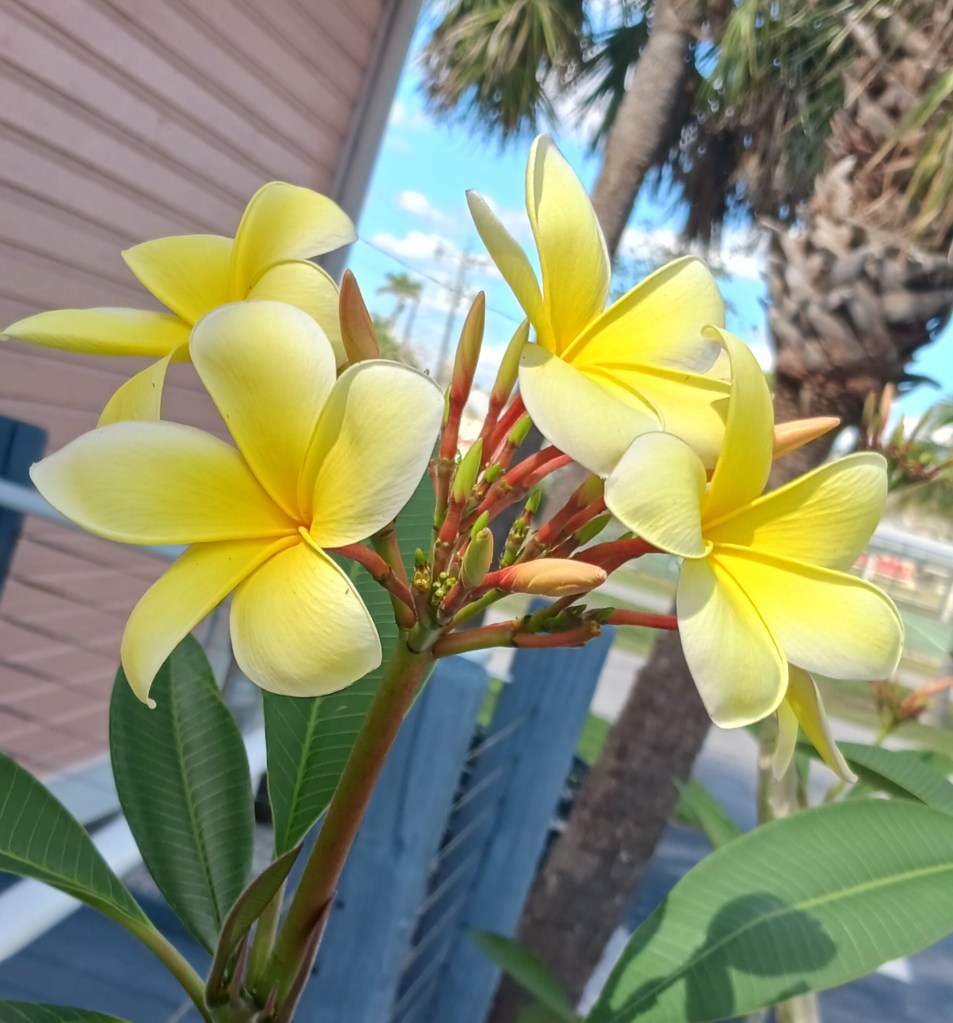
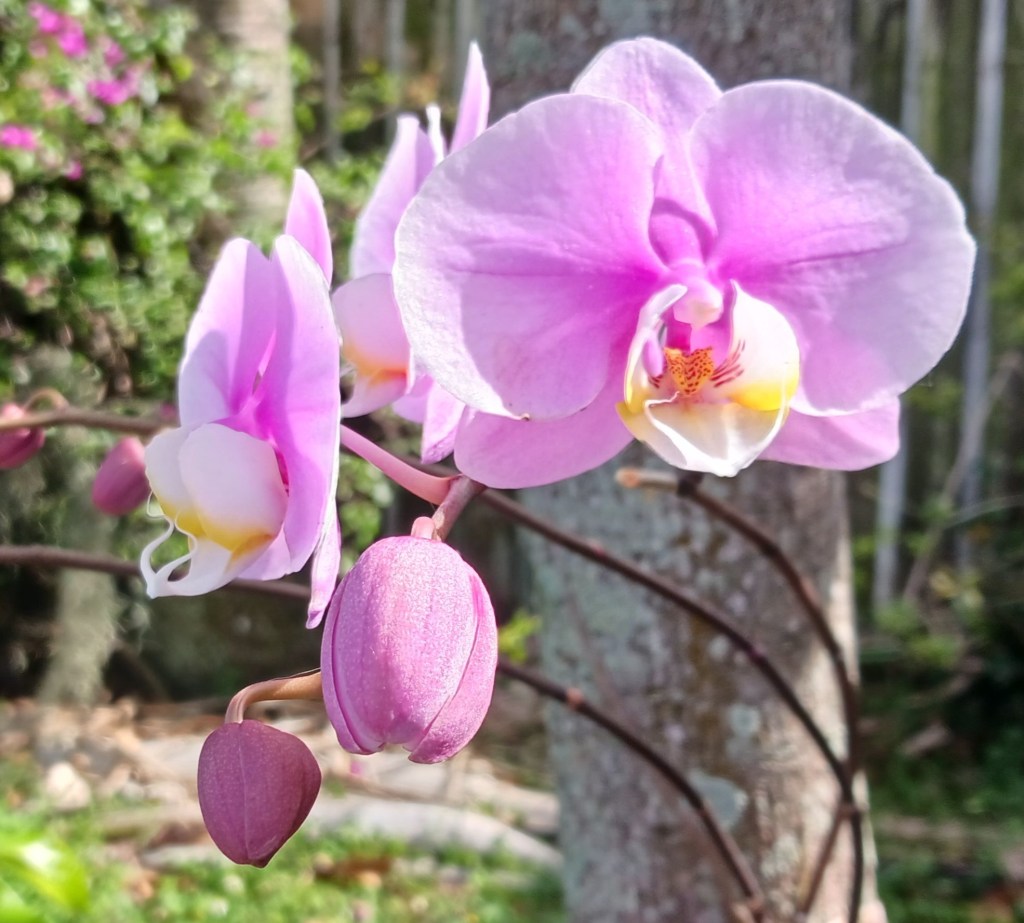
This might be completely unwarranted optimism. But I feel I have to end this blog with at least a little bit of uplift, because remember, there is no transformative action without hope. So, let me share my ultimate coping mechanism with you: the wonders of South Florida nature. Enjoy the flowers and get infected by these two mind-blowing, energetic, fun-loving dolphins, spotted in the Ten Thousand Islands area.


An ode to teaching or: “For this, Sir, you are a monster”

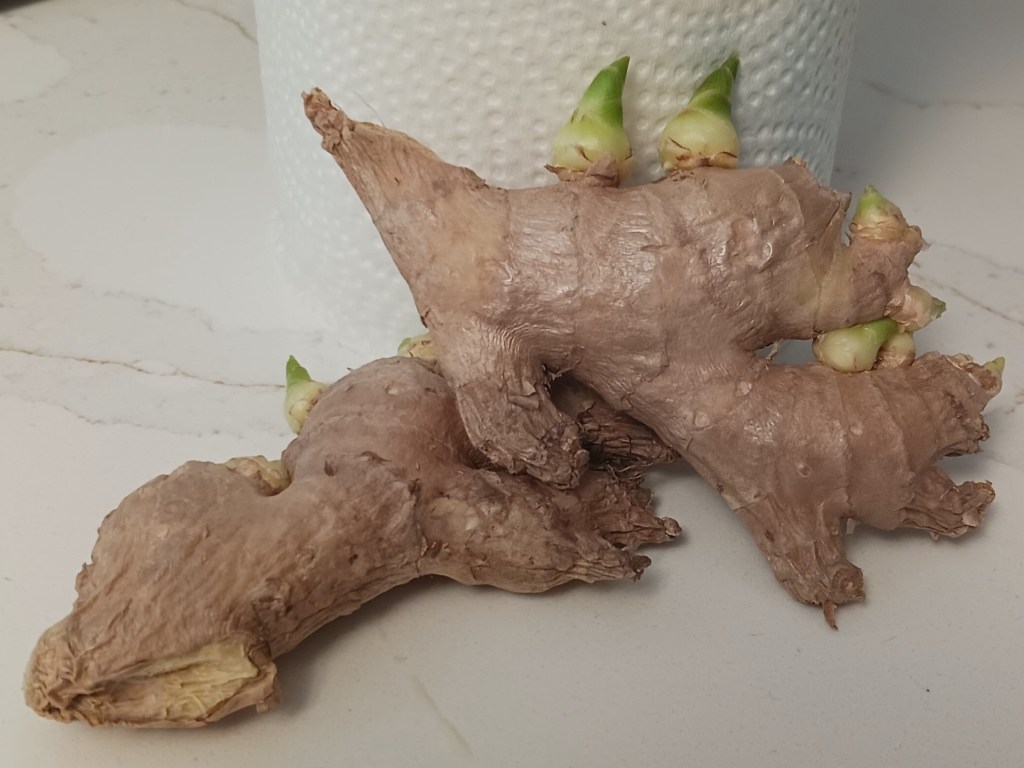
Sprouting ginger root

I wish you all a happy and healthy 2025! I am very proud of myself for getting this blog out before the semester starts (which is, for us, tomorrow). This one is an ode to teaching. I just read my student evaluations from last semester, which were good, but as they often are, not GREAT (meaning: students had some things to praise, but also some complaints). Perhaps you are among the teachers who get “excellent” for all categories. I am not, and I can’t understand why I still give more weight to the one student who did not like the class (or me) rather than the ones who were happy, or more, with it. Coincidentally, two former students got in touch, and we had coffee on Friday – I am grateful that they found it important enough to meet me, and even seek advice.   

So, teaching is a mixed bag and comes with challenges. It is also what makes me most happy about my work. Let me share one teaching moment with you that made me hopeful. Yes, in times like these, we need such moments like bright stars in the dark. I do feel despair – about rising fascism, the indifference toward global climate disaster, rich white boys making everything that pleases them the law of the land – but the only antidote is creating collective spaces for thinking, talking, and respecting each other. At its best, teaching can do that.   

Last year, I taught a class on Gender Equality and Human Rights in Global Perspective. While the class was going on, a non-binary teenager died in Oklahoma. The case was in the headlines for a while because the death occurred one day after the 16-year-old Nex Benedict had been in a fight with three female teenagers in their high school bathroom and got injured on the head. At the beginning of the 2023-24 school year, a bathroom law had gone into effect in Oklahoma requiring students to use the bathroom that matched their sex listed on their birth certificates. The fight had started because the girls had made fun of the way Nex dressed. This was not an isolated incident: Nex was regularly being bullied at school, according to their mother. The next day, Nex collapsed and died. While an autopsy clarified later that the death was not directly related to the fight and that Nex had died of suicide, there was a huge public outcry because of the obvious relevance of transphobia as a factor in Nex’s death. You can check out more about the case here and here.

Nex Benedict

In a New York Times article, I read that the Oklahoma school superintendent, Ryan Walters, considered this death a tragedy but that it did not change his views on how questions of gender should be handled in schools. Specifically, he said: “There’s not multiple genders. There’s two. That’s how God created us.” I was angry about this statement. Felt powerless, in a way; and then decided that I can do something about it, namely share it with my students in a pedagogical way: I made them write a letter to Mr. Walters and then forwarded the letters to him. While we did not get an answer, I think something was achieved. See here, first, my letter, then a selection of student letters, and finally, a note why this process made me feel good (warning: the blog got a bit long, but I hope the multiple voices makes it an entertaining read for you).

—————————————————————

Superintendent Walters,

I am a professor of International Relations and Gender Studies at Florida International University. This past semester, I taught a class on Gender Equality and Human Rights in Global Perspective. I used a public statement of yours in the final exam for this class.

Allow me to give some context: In this class, we examine gender relations in many different societies; as a basis to do this, we first establish the meaning of sex and gender, both in biological and sociological terms. Judging from your publicly available comments, I assume you do not believe in sociological definitions of gender that conceptualize it as a social construction. However, perhaps you are interested to learn that from a biological point of view, a male-female binary is also considered simplistic because sex is the confluence of several biological factors, not just one, and because biological development in general is complex and does not happen in binaries, but on a spectrum (for example, in her article “Sex Redefined”, Claire Ainsworth points out that “Biologists may have been building a more nuanced view of sex, but society has yet to catch up”).

Visual for Ainsworth’ article in NATURE

While the class was in session, I read in the New York Times about the death of Nex Benedict, and your related comment that there are no multiple genders. This statement seemed unduly cruel, as you are effectively denying one of your students their own understanding of their body and identity even in death. However, I thought the statement also offered a learning opportunity, which is why I turned it into an exam question for my students.

Please find attached both the exam question and several student letters addressed to you (I am sending only letters from students who gave consent to use their writing). You will see that students have mixed reactions; some are honestly trying to teach you, others are angry at what they identify as ignorant and discriminatory behavior, or they call out your misperceived religious perspective. All of them ask for empathy, and they demand respect from you for all people, including those that are not exactly as you would like them to be.  

I would be tremendously satisfied to receive an answer from you. However, please refrain from a generic response letter that does not engage with the spirit and substance of this writing.

Exam question: Read the excerpt below and write a short letter to Mr. Walters, addressing his direct quote (“There’s not multiple …”) considering what you have learned in this class. New York Times, February 24, 2024: After Nonbinary Student’s Death, School Chief Defends Restrictive Gender Policies. The Oklahoma school superintendent, Ryan Walters, said “radical leftists” had created a narrative about the death of 16-year-old Nex Benedict that “hasn’t been true.” (…) Mr. Walters told the New York Times that the death was a tragedy, but that it did not change his views on how questions of gender should be handled in schools. “There’s not multiple genders. There’s two. That’s how God created us,” Mr. Walters said, saying he did not believe that nonbinary or transgender people exist. He said that Oklahoma schools would not allow students to use preferred names or pronouns that differ from their birth sex.

Student responses

Dear Mr. Walters,

I understand that you think there are two genders. However, this is not the case. Gender is a man-made social institution that you and I, along with the rest of the world, partake in. This institution is centuries old. Gender is also a spectrum; you choose how you perform your gender based on who you are. This does not give you the grounds to invalidate someone else’s. As a superintendent, you should be uplifting students, rather than invalidating them even in death. Religion states you are supposed to be kind to everyone, and to not judge. It is unfair to dismiss an identity because you don’t understand it. Sex and gender do not correlate; sometimes, you align with a different gender than your assigned sex at birth, and that’s okay.

I implore you to look into understanding gender as a concept more, and I hope this letter helped somewhat with your understanding. Thank you for listening with an open mind.

————————————————————–

Dear Mr. Walters,

I am a 20-year-old queer college student, who is ashamed and disgusted by your senseless and immoral response to one of your student’s deaths. An innocent 16-year-old non-binary member of your community, Nex Benedict, is dead and instead of grieving, consolidating, and improving your school’s environment, you chose to be selfish and immature and address their gender as the main issue? Instead of analyzing and revisiting your school policy of restricted gender expression, which may have contributed to Benedict’s death, you said “there’s not multiple genders. There’s two. That’s how God created us.” By excluding topics related to gender under a religious guise, you have set your students back and encouraged discrimination and injustice. If you opened a single biology book, you’d find that there is not only black and white, female or male, but also a gray area, where clearly your ignorance lies. By defending your hardliner stance against open-free gender expression, you are pushing your “conservative agenda” on school children, and for that, Sir, you are a monster. I am sure you came into this with “good intentions”, but the road to hell is paved with those.

With no due respect,

—————————————————————

Mr. Ryan Walters,

If God created us, as you say he did, he did not create us with hate in our hearts. Hatred is learned, it is taught, and it is perpetuated. It is perpetuated by policies such as the ones forcing nonbinary and transgender students, whom god also created, into dangerous situations and a rhetoric of intolerance.

Nex Benedict was killed because your policies and views taught those students that nonbinary people are unnatural, that they are affronts to God. Gender is an aspect of you that is personal, that is informed upon you by your own feelings as well as societal expectations. Gender roles inform us that women are caring, soft, compassionate, and so individuals who identify with being a woman are more likely to pursue these behaviors. Gender roles also inform us that men should be reasonable, protective, decisive. Does it seem reasonable, protective, or decisive to willingly perpetuate policies that have gotten a student killed simply because you do not wish to think beyond your worldview?   

God help you,

————————————————————–

Dear Mr. Walters,

I would like to start off by saying that the loss of Nex Benedict is tragic, and it is scandalous to use the death of an innocent child as a political gateway to promote your harmful ideals. Death, especially that of a child, is not a political playground. 

Religion should not blindly lead politics, as not everyone believes in it, and those who do express and practice it subjectively. However, if you insist on stating the word of God; he did not create genders but sexes, which are two distinct elements. Gender is a social construct, free for self-determination. But one thing God DID in fact say is “Love thy neighbor”.

Mr. Walters, I encourage you to show respect, love, and appreciation to those around you no matter who they are, and no matter what your opinion is; this is what God truly intended for.

——————————————————————

Dear Mr. Walters,

I believe you are conflating sex and gender. While it is true that reproductively speaking there are only two sexes (in the name of persuasiveness and simplicity I will not mention intersex in this letter), gender refers to the roles, attitudes, and expectations of a person in society. I believe you would agree that there exists a spectrum of expression even within a two-gender binary. For example, a skinny computer nerd is perceived and treated much differently than a muscular jock. In the same vein, a girl who participates in beauty pageants is perceived much differently than a broad and athletic swimmer. Non-binary and transgender individuals are an extension of this already accepted spectrum. Even if you ignore the biological evidence of their existence, as an educator the safety of students must come first.   

——————————————————

Dear Mr. Walters,

I find your recent statement regarding the tragic death of one of your students to be disheartening and offensive. Gender is a spectrum and on that every human should be allowed to freely explore. Not only have your comments disrespected the deceased student, but they have also put in danger other students at your school who don’t fall into the gender binary you believe in. Transgender and non-binary people are not some “new” concept. These people have existed in many cultures across the world since the beginning of time. I suggest you do some research. Until then, be very careful with the things you say and educate yourself on the things you know nothing about.

——————————————————-

Superintendent Walters,

I hope this letter finds you well and that you understand that I come with respect, but also with an important message. I was deeply disturbed after reading your statement about the heartbreaking death of the nonbinary teenager. How would you feel if that was your own child? I do not ask that you understand the student’s emotions, but I do ask that you respect their memory. Although you may think that there are “no multiple genders”, I believe that we should not come to the world with a simplistic label over our heads. Imagine how you would feel if people were to start addressing you as a woman when you identify as a man. That is what nonbinary people go through every day.

———————————————————-

Why did these letters make me happy? First, because of the collectivity in my students’ voices. All of a sudden, there was more than individual anger, rather a feeling of shared reassurance. I was proud, of course, that some students used concepts they had learned about in class (e.g., naming gender an “institution”). But it was not the academic accuracy that stood out, but rather their honesty, passion, anger, and always: their respect. Respect offered to someone they profoundly disagree with. I believe that this is the attitude we need to cultivate. I THANK my students for writing these letters and letting me use them. Finally: as an opinionated, righteous (“rechthaberisch” we call it in German) academic, I learned a bit better from these young minds how to build bridges. The process is ongoing.   

PS: What’s with the sprouting ginger? I will plant it after uploading the blog; what a symbol of a new beginning! Again, I wish you a good 2025.

What keeps you going? My network of brilliant female friends

Artwork by Fehmi Baumbach

I wrote the first version of this blog in mid-September, starting out complaining that I have too many things to do and don’t find time to write. I was in “overload mode” because of all kinds of reviews and letters of recommendation I needed to send off. Such things can suck it out of you, so I wanted to write about the most important thing that helps me go through exhausting times (but then I had more things to do and left the blog unfinished …). 

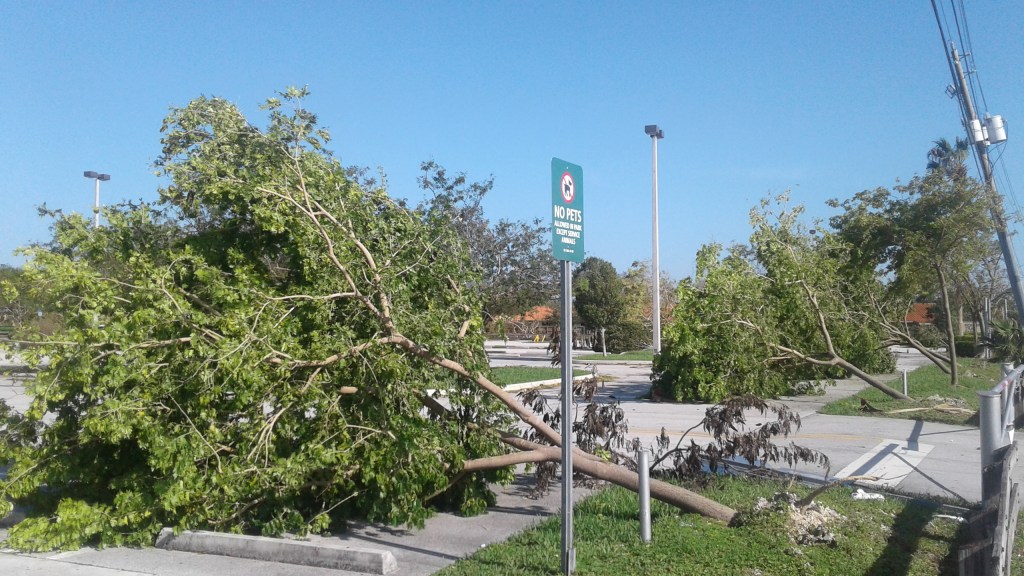
So, second try. To be clear, the point of exhaustion is never only personal. You might think that academia is a cozy place, but there is a structure of escalating demands of all kinds. Here in Florida, we can now be fired post-tenure if we do not keep up with all of this. The most nerve-racking task is to comply with countless political directives issued by the legislature or governor (too many to go in detail here, but the point is to keep us busy and away from cooking up leftist conspiracies). On top of this, world politics. I am deeply, deeply concerned about the people in Palestine, specifically Gaza, the Israeli hostages, now the people in Lebanon, the people in Ukraine, Sudan, and Myanmar. Finally, I am writing this as the university is closed because of hurricane Milton (which luckily, did not hit us). We were also not affected by hurricane Helene less than two weeks ago, but so many in northern Florida, Georgia, and the Carolinas lost everything. I just wish that we, as the intelligent human species that we are, could work harder to create a lifestyle that does not exacerbate these natural disasters. And don’t let me get started on the November elections (which could become another kind of hurricane, as a friend aptly commented).   

To get back on track: when things are tough, what keeps you going? I recognize I am blessed with a life free from big catastrophes, and many things play into that, like economic stability. But what has really kept me going, all along, are the women in my life, the gifts they have given me, the networks of support they have created. Yes, there have been important men as well, but today, I turn the spotlight on the collective avalanche of energy, joy, support, and love that I have received, throughout my life, from many fabulous women. Here go my highlights. Keep reading, you might recognize yourself.        

The first ones

My sister and my mother

There are the women who have been with me from the beginning. My mom is the first, and I sung her praise already in a different post. My sister is the second: you are my anchor, and you make me feel at home anywhere. I get so much from your warmth and the creative, joyful life you live in company with others and in support of a better world.   

Next are my early friends and family. I am grateful for those who have stayed with me for a long time, through ups and downs, intensities, phases of drifting apart, and rapprochements. A, with you I first discussed “real problems”. While mostly living apart, we have shared and compared big and small life events. Your (our) dry humor has often been a lifesaver, especially when things were not so rosy. B, you have always been a source of cosmic life-energy to me, an energy that I myself do not always feel connected to. Thank you for your immense powers of love and healing. C, I sometimes wonder if you benefit as much from our deep bond as I do. Your contribution to balancing me in my transnational life is immense. I hope I can be there for your when you need me. D, I cherish our annual walks through the woods, your connection to the non-human world, your joy for things right in front of you, and your courageous dealing with vulnerabilities. I take a deep sense of peace and gratitude out of our encounters. E, with your charm, energy, and spontaneity you walked into our family, shook it up, and remained part of it. Those bonds make us feel at ease when we meet after long times of separate ways, and they bring me immense joy. F, speaking of family: your hospitality, optimism and pragmatism give me a feeling of strength and confidence that I take home with me after visits and that helps me to confront my daily life challenges in good faith. G, you embody our wider family for me. I see you conscientiously and lovingly carrying on our ancestors’ work of bringing us together. Thank you for that.  

Sharing college and discovering the world

I moved on from home and was lucky to weave important emotional connections during my student years in three German and one Basque cities. H, our friendship was intense first and then got loose over time and distance. We managed to find together again, in joyful encounters on both sides of the Atlantic, due to your great hospitality and sense of friendship. I, your passionate sense of justice, contagious energy, and strength in difficult times will always light my fire. Our first encounter was in faraway lands. Since then, we have met to talk, laugh, cry, dance, argue, and be together in silence. J, I don’t see you often but feel the connection. I met you far away from home, in a different country and language, and you will always shine for me as a woman who, just like that, gifted me with unconditional friendship.      

Being politically active was a formative part of my student life, and some of my lasting friendships originate in this activism. I met you, K, while we were figuring out who we wanted to be, and we did lots of organizing together. Decades later, phone conversations with you continue to enlighten me as we deal with the political and personal questions of the day. L, we also met doing political work, bonded over having our hearts broken in similar ways, and just enjoyed each other’s company. Your presence in my life is a ray of golden sun! Keep up your openness towards the world. M, so many joyful collaborations. You are smart, brave, and have a big heart. To me, you were a role model, and I might not have chosen the academic path without you. Thank you for making me understand that a university career must have communal benefits.

In times of loneliness, there were angels who picked me up. Living together with you, N, was profoundly comforting. You asked me about the death of my father and really wanted to hear the story. From the start, you have offered me trust, honesty, and hospitality. With you, I feel young, grounded, and in sisterhood. O, you took me by your hand in a new place and shared your friends and favorite pass times with me. I will always be in awe about your fearless embrace of the world and your no-apologies approach to realizing your dreams. P, my former neighbor and sparkling friend! Your creativity, musicality, and gumption have inspired me, and I have learned from you – with you – to be uncompromising about the good things in life.  

The transatlantic leap

Then came my transatlantic leap as a young professional and a single mom. It was hard, to a breaking point, and it might not have worked. Q, the way you were there for us in any possible way when we came to your (adopted) part of the world is something I had never experienced and will never forget. Also, you are scarily bright – I get the world out of our conversations. R, we share the joy of seeing our kids grow up together and I am happy we keep in touch across distance. Conversations over dinner, swimming in the lake, garden parties – you are the queen of networking. I am grateful to be part of that fabric of friends. S, my kindred soul away from home! Your passionate love for live is contagious. I have loved to discuss, laugh and hike with you, read your work, and see your unique contribution to this world. Stay edgy and keep questioning the annoyingly conventional. T, when we moved again, you were there for us as a friend to share good experiences, especially cultural events, and to laugh away the things that made life frustrating. Your love for community, beauty, and life in all forms is a constant inspiration. 

My brilliant role models, mentors, and professional friends

On my professional path of growth, there were so many brilliant women. Some have showed me the way, others have walked with me. U, you were my first intergenerational friend. Your gift of listening to younger people with engaging curiosity has made me feel seen. Your interest in everything, especially travel and other life adventures has granted us countless hours of cherished conversations. V, I met you as a fun, energetic, no-nonsense co-worker. I am so glad we keep in touch, and I am particularly inspired by the way you organize your life in retirement – I will emulate the many travel and other projects with friends and acquaintances. W, without your guidance, would I have made it in academia? You gave me the self-confidence I needed. Your thirst for knowledge creation has inspired many, and I am forever grateful that you combined it with generosity, humor, and a good portion of faith in humanity. X, from you I learned so much of what I find important for being a decent academic. You are a shining star, and at the same time, an avid networker, a nurturer, always interested in what others have to say, and you are also REALLY funny. Y, you are a transnational feminist activist who has changed the world. I am grateful to have learned from you and deeply admire your sharp analysis, boundless generosity, and hope for humanity. You keep inspiring me. As this is the last letter of the alphabet, ZZZ, you are three wonderfully inspirational sister feminists engaged in public intellectual work, activism, and scholarship. How you do it all, I don’t know, but you influence a variety of people in different parts of the world. Your passion, dedication, honesty, and respect for yourself and others is what we need to push this world in the right direction.          

And some new seedlings!

I don’t blame you if you could not get through all of these. But honestly, it is an amazing feeling to realize the many people on which you rely in your life, who keep you going, and I have left out quite a few. Let me also add that out of such nurturing networks, new seedlings are growing. During the summer, I met a former student who is now successfully employed, and she told me in humbling detail how much she benefitted from my mentoring. Finally, when I see my daughter grow into an awe-inspiring young woman, it is hard to believe and immensely gratifying that I played a part in her becoming this person.  

So, to conclude: SEE your supporters. It will make you glow from within!

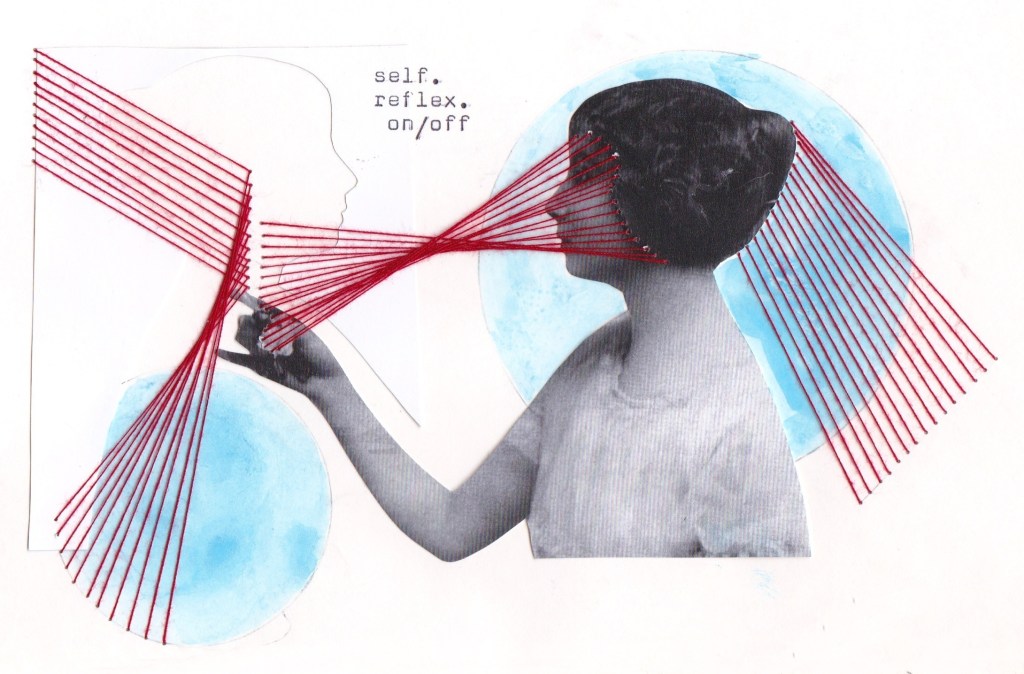
PS: When I was marveling about what kinds of visuals to use for this blog, I remembered that I asked the artist Fehmi Baumbach to get permission to use one of her pieces for my book cover. I use it here again because to me, it visualizes being connected. Check her out, she is so creative!

PPS: I added several of you as subscribers to this blog, it makes things easier for me. Send me a short message if you want to be taken off again.

Still learning from the Germans? Living transnationalism, part 2

For those who prefer to read in German/ für alle, die lieber auf Deutsch lesen wollen: copy and paste the text into https://www.deepl.com/translator.

Last September, after our return from summer vacations in Germany, I had wanted to write about my outsider-insider or, as I like to call it, transnational view on my home country, but rather went in a different direction in this blog post on my transnational life here in the United States. What I wanted to share is the experience of re-discovering things that were familiar to me because I grew up with them. Coming back “home”, I was now seeing them anew, partly because of all the other-than-German influences in my life, but partly also because the national self-perception and historical narrative in Germany has evolved and keeps evolving. I am sure that all of you who live in a country where you have not grown up have comparable experiences.

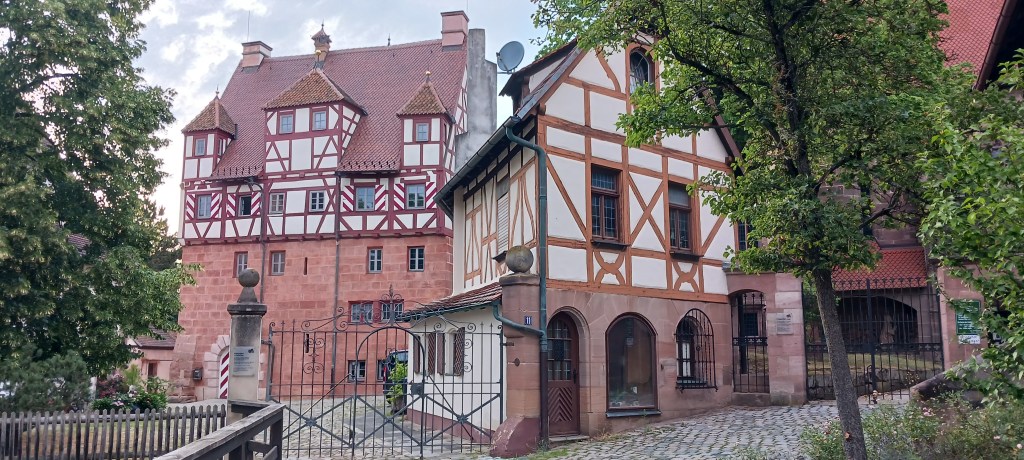
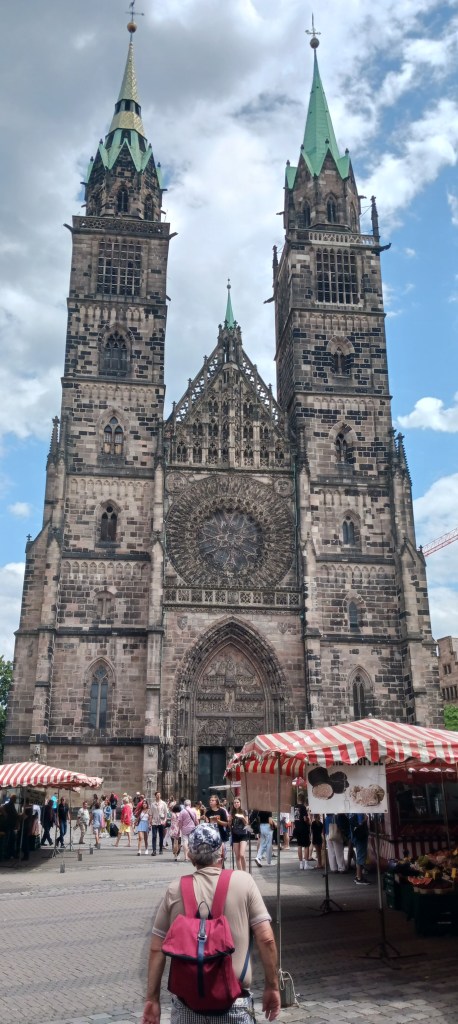
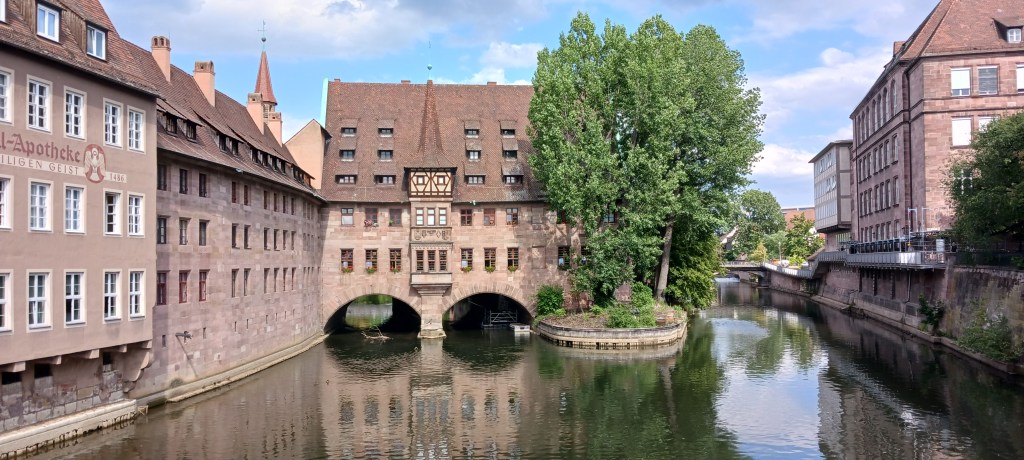
One dimension I was particularly keen on was the fascist history of Germany in its concrete manifestation in my hometown Nuremberg. Some of this is very well known. Nuremberg was the site of the Nazi party rallies, a core instrument to stage and display enthusiastic mass worship for Hitler. Partly for that reason, it was picked as the place where the Nuremberg war crime tribunals took place, a milestone in the development of international law. There are many more facets: The major propaganda organ of the Nazis, “Der Stürmer”, was produced here; the so-called Nuremberg laws which stripped Jews of German citizenship (and many other things) were announced here in 1935; also, Jews who had lived all over Bavaria were locked into internment camps in Nuremberg (actually ON the party rally grounds) before they were deported to the concentration camps; after the war, these internment camps held displaced persons, including Jewish DPs.

People in Nuremberg have some awareness of how fascism was embedded and embodied here, perhaps not in a comprehensive, but in a significant way. Over time, authorities have invested in making historic sites visible and accessible and creating learning opportunities about the past – as so very often, this happened because some tireless individuals kept pushing, not because of a general conviction that it was necessary. But slowly, it became a mainstream thing. For my generation, it was considered normal to learn about the Nazi past in high school. This was in the 1980s, and I am talking about West Germany (East Germany was very different, as it dealt openly with the fascist past from very early on). I remember a guided tour on the Nazi party rally grounds, by then a memorial monument, in 10th grade; in the 1980s, one of the buildings on the rally grounds held an exhibition titled “Faszination und Gewalt” (fascination and violence) which dealt with the Nazis rise to power, their propaganda machine, the role of mass spectacles in it, and other things. It later became a permanent exhibition and can now be virtually accessed in German and English here.

I learned a lot in this exhibition, but the point I want to make is: I thought, in the mid-1980s, that all the historiography and public education about Nazi crimes was normal, when in fact it was just getting off the ground. This exhibition was the first of its kind; the Nazi party rally grounds were long not understood as a crucial historical site, they were rather just sitting there, until the 1980s, when the city thought to do something meaningful with the complex. This resulted eventually in an informative and thoughtful documentation center (Dokumentationszentrum Reichsparteitagsgelände) which opened in 2001. For the country as a whole, a 1985 speech held by then President Richard von Weizsäcker marked a turning point: he used a commemoration of the fortieth anniversary of the war’s end to declare that while Germans had suffered in the war, they should understand themselves first and foremost as perpetrators.

Just to be clear: there was a 40-years lapse before this active engagement with the Nazi past unfolded. That seems like a VERY long time. In Nuremberg, this engagement has become an important part of the city’s identity. When I now visit, I notice a growth in the memory infrastructure – more dimensions are being remembered, in museums, specific memorial sites, historical tours, etc. It got me excited about bringing students here for a study abroad program on memory politics and human rights (Nuremberg has also declared itself a Human Rights City). I am thinking about it, and partly I am doing this here, with you, asking for advice; do you think students might be interested in visiting sites where genocide was planned and carried out, and where these crimes are now remembered, to honor the dead and to help prevent such atrocities from happening ever again? Please let me know.    

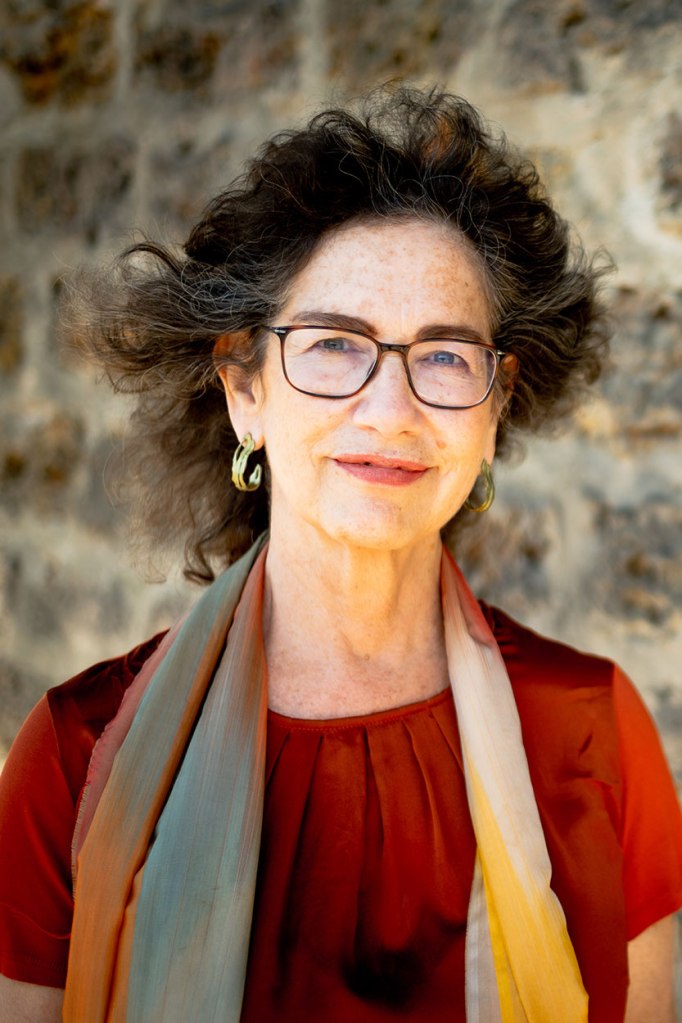
Susan Neiman

Germans have a reputation of being particularly proactive at remembering their past. In her 2019 book “Learning from the Germans: Race and the Memory of Evil” Susan Neiman translates the term we use for this – Vergangenheitsbewältigung – as “working through the past”. Her book speaks in approving terms about this process, which has different strands in East, West, and united Germany and is not without problems, but stands out when compared with how other nations have dealt with their own past crimes. Specifically, she compares Germany to the United States and the absence of any “working through” the legacy of slavery.

Reading this book felt good. But since I read it, history has continued its path in a way that made me more uneasy about memory culture in Germany. In particular, I follow with attention and concern the public discourse in Germany since the Hamas attack on Israel and subsequent retaliation of Israel on Gaza (in my November blog on this topic, I did not call Israel’s deeds genocide; in the meantime, so many people in Gaza have been killed and are being starved that it is hard to call it otherwise). The German public discourse on this is at times frightening, but again relying on Susan Neiman’s assessment, this trend has started several years ago. I appreciate the historically unique German responsibility to condemn antisemitism, and to do everything to prevent antisemitic violence against Jews and Jewish places of worship and gathering. Jews need to be and feel safe in Germany. But it seems to me that at the current historical moment, the responsibility for the deeply rooted antisemitism associated with Germany’s own fascist past gets less attention than needed, and instead, there is a lot of Islamophobic finger pointing at the antisemitism of immigrants from the Middle East, combined with a troubling conflation of any criticism against Israel with antisemitism. Supporting Israel has become German Staatsräson (=reason of state) and the test immigrants must take to acquire German citizenship now includes “questions on the Jewish religion and the state of Israel in a move designed to filter out anti-Semites among applicants.” According to the Minister for the Interior, “Anyone who does not share our values cannot get a German passport” (see here).

In her book, Neiman eloquently talks about the commendable and difficult work that Germans have done over time to overcome very deeply rooted, normalized and everyday antisemitism – it is not gone, but it has been significantly transformed (those of us who study gender hierarchies might see a parallel – sexism is not gone, far from it, but it is also not what it was in the 1960s). But German memory culture now seems to focus on doing memory right, and majority-Germans are quick to remind immigrants, in particular non-Jewish immigrants from the Middle East, that there is a certain standard they must accept when they decide to live here, among “us” and “our values”. And while the German responsibility for the Shoah should never be relativized, this attitude is rather self-righteous regarding other people’s experiences. Accordingly, this can become a rather exclusionary and even racist discourse, where correct anti-antisemitism is the German kind and no other.

I remember a concrete moment in my life when I EXACTLY embodied this attitude. It was in the mid-1990s, I had a Turkish boyfriend, and we went to see “Schindler’s List”. While I think of this movie rather critically now, at the time, it touched me profoundly. On a human level, this is not surprising, because the deeds of Schindler allowed so many people to live, in this dark ocean of extermination of millions. Seeing this movie as a German person, I felt a connection of guilt. After all, my country did this; my grandparents lived while this happened. But there was also a connection of hope – not everybody was a perpetrator or indifferent enough to let the catastrophe happen. So, I was very emotional as we came out of the theater. My boyfriend wasn’t. And he said something along these lines: This is a story of the past. We need to understand that terrible things are happening in the present, like right now, the Kurds in Turkey are being treated almost as badly. I stared at him incredulously. Not only did I immediately diminish and push aside whatever was being done to the Kurds at that time, of which I had very scarce knowledge. I basically decided that he “did not understand” the significance of this historical catastrophe, which had to be accepted as incomparable. And while I did not think this in explicit terms, in my mind, the “full understanding” of this matter had a lot to do with being German. Which he wasn’t.     

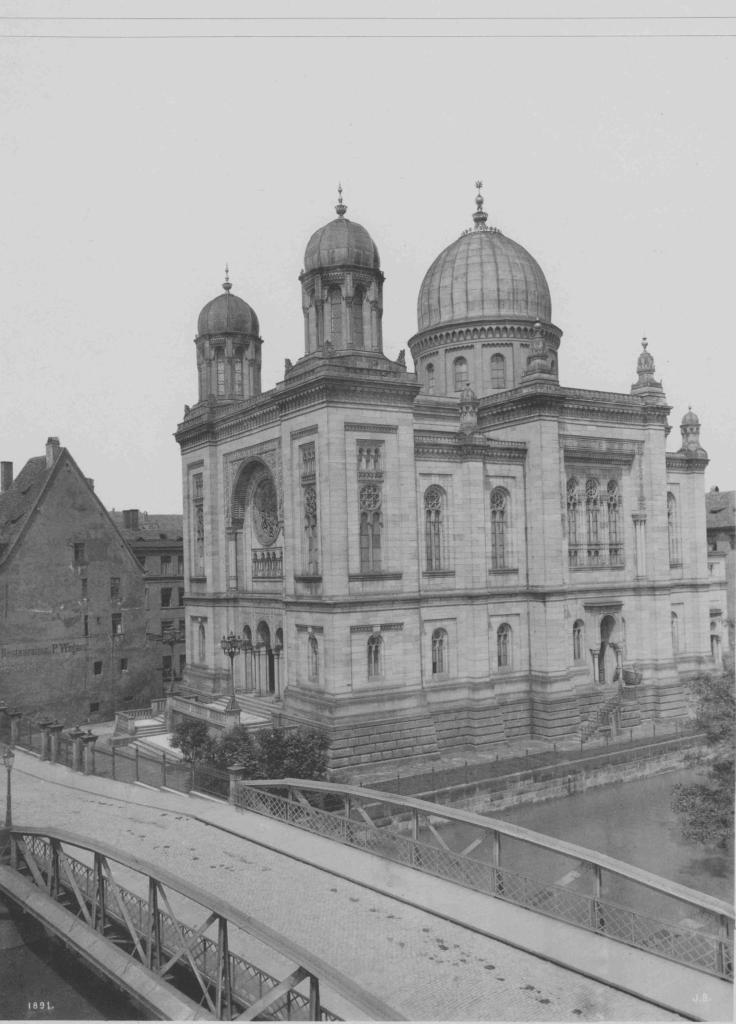
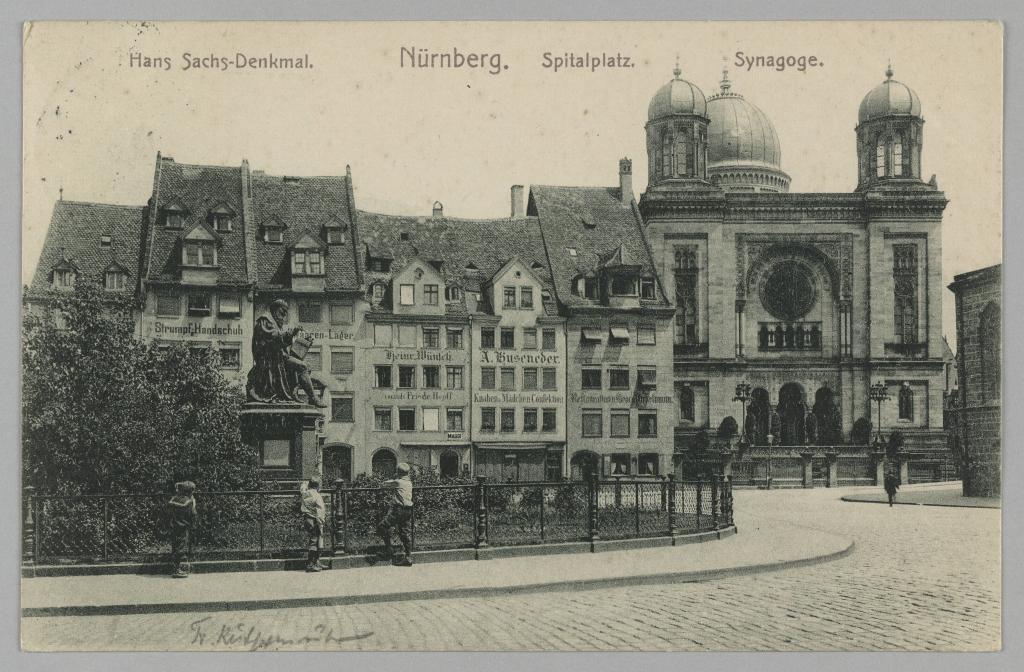
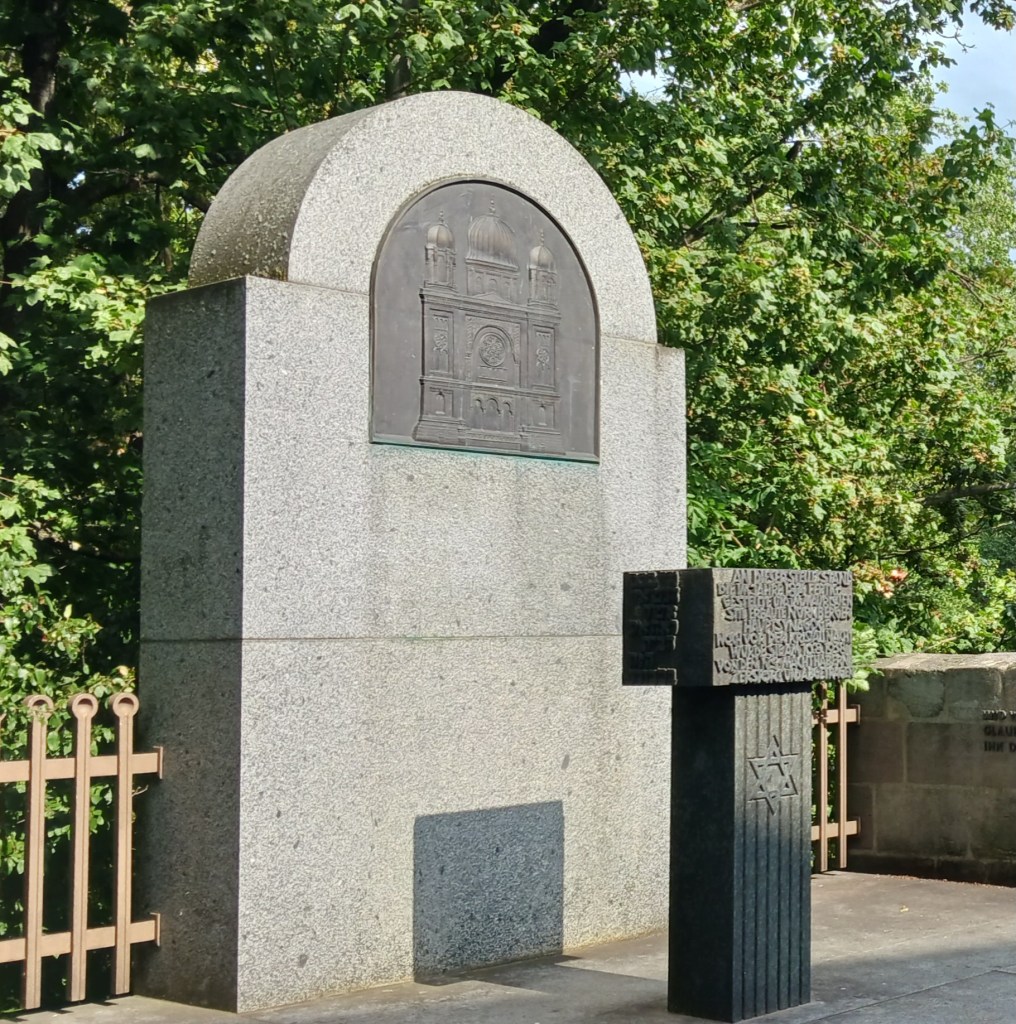
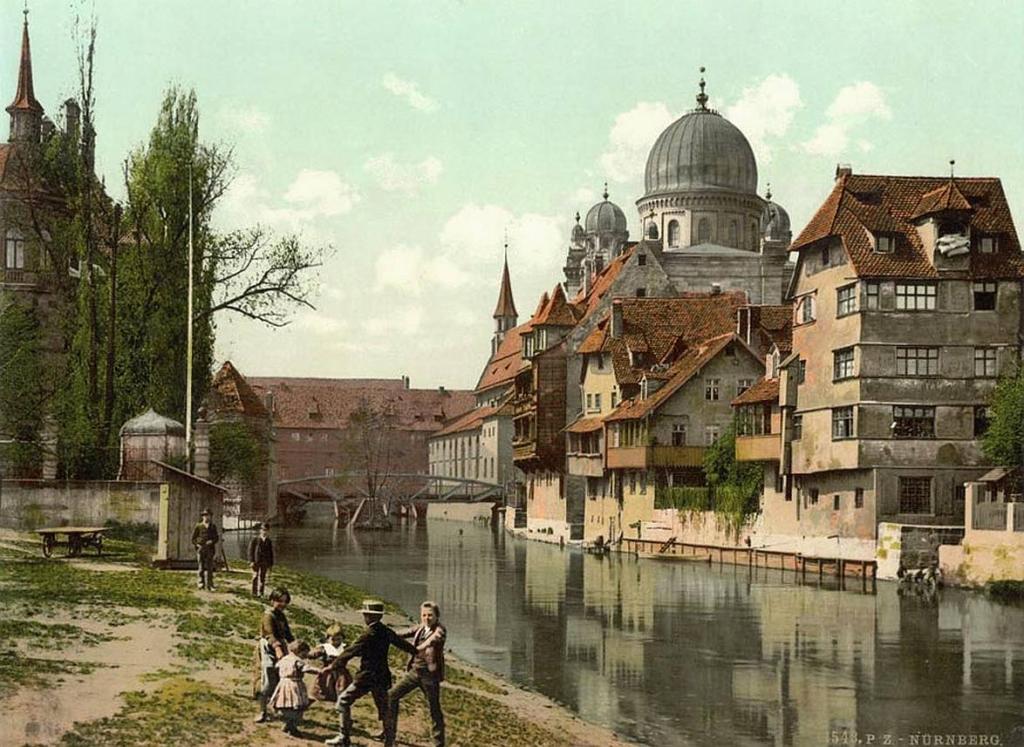
I will stick to this subject of memory culture in future blogs, as there is so much more to talk about. For now, I want to end with one realization. Much of the important “working through the past” dynamics have focused a lot on German crimes, and not very much on the Jewish lives that were erased, the culture, the social fabric, daily life practices, language, forms of worship, artifacts etc. I only fully understood this when I first visited New York, a city full of vibrant Jewishness. All that had existed in my hometown, yet I had grown up in a normal that had erased almost all of it. A deep, incomprehensible void. The city has now erected plaques that commemorate important Jewish sites. Perhaps the most significant is the site of the main synagogue, erected in 1874 and demolished by the Nazis in 1938 (months before November 9). Below you see the contemporary memorial as well photos of the synagogue itself, taken around 1900. These photos are breathtaking to me. The building is majestic and beautiful, and it towers over the center of the city. What must it have been like to have such a proud place of worship, only to be systematically humiliated and dehumanized, step by step, into extermination and genocide.

10 years of life in Florida – play trivia with us!

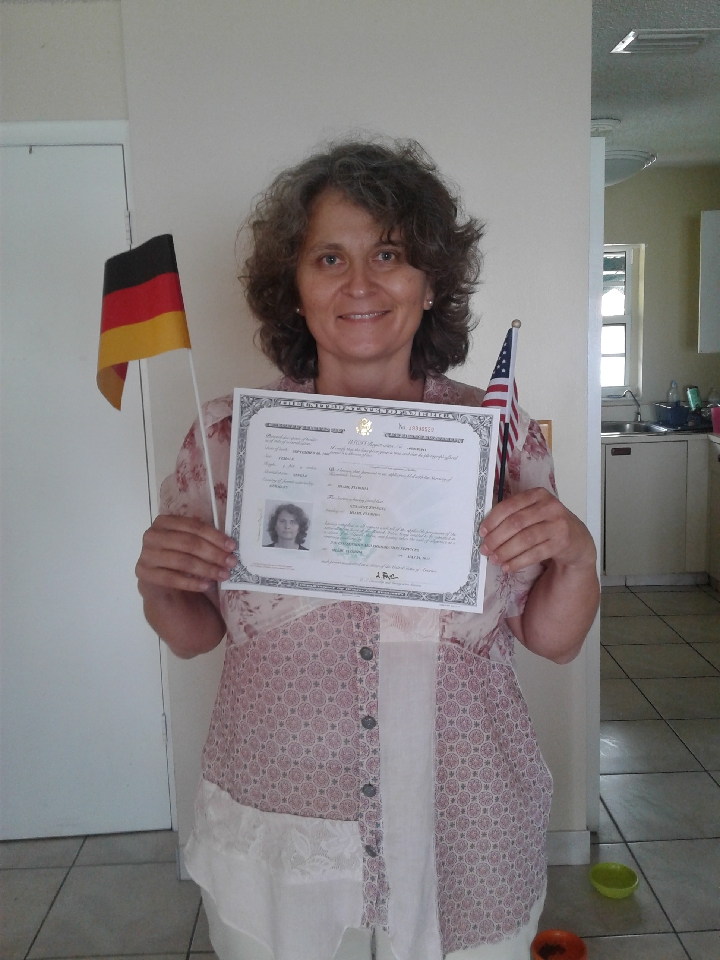
It is hard to believe, but we have been in Florida now for exactly 10 years. During this time, there were several moments when I had wanted to throw a party – because of a round birthday in the family; because I got US citizenship; because Celeste got US citizenship; because George officially adopted Celeste; just because -, but then, it never came to that, especially when 2020 hit and Covid changed everything in terms of social life.

Our brunch invitation (photo depicting the world famous Weeki Wachee State Park underwater mermaid show)

For no particular reason and very spontaneously, we used our 10th anniversary to invite friends to a brunch. It took place on December 30th, and despite the busy holiday season, almost 30 people came, to a cozy little rental space next to the Fruit and Spice Park down in the Redlands. We picked this day because 10 years ago, we were literally on the road driving all the way down from upstate New York to South Florida. We arrived in Miami on January 1st, 2014, to an empty house with no water (which was turned on the next day) and no furniture (which came a few days later). As it turned out, we had several more obstacles to overcome. The most mundane ones: our cars had no air conditioning (not necessary in upstate New York, but a very basic need in Miami), and we did not have smartphones. We were not familiar with toll roads or the Florida Sun Pass. And so on and so on.  

To be honest, it took us a few years to settle in and convince ourselves that it is worthwhile living here. Perhaps you find this strange – there are many people out there who rave about Miami. For us, it was too big, too hectic, too un-caring, inconsiderate and reckless, too expensive, too unfair and unequal … All of this remains true, but our early impressions slowly mixed with positive elements, such as: fascinating nature that we keep exploring, lots of theatre and musical theatre events, a passion that Celeste discovered here and is now making into her profession, many good people and great friends that we made step by step.      

To reflect on these years, I put together a trivia game that we played at the brunch. It consists of 20 questions in four categories: Florida nature, Florida history, Florida culture, and Things that happened since we came (5 questions each). The teams at the brunch had a good time (and good answers!) – I thought some of you out there, not necessarily familiar with Florida, might find this game fun to play, too. So, here are the questions – correct answers are revealed at the very end. If you like, write back and let me know how many answers you got right!

Category 1: Nature

1. Which is the state bird, the state animal, or state butterfly of Florida? Name one.

2. When we moved to Florida, many friends were concerned as they had heard stories about alligators in swimming pools, alligators eating little dogs, etc. As we now know, alligators belong to the dinosaur family, have been around for 1.5 million years, and have not changed much over time. And we learned that there is also the American Crocodile living in Florida. Name two differences between the American Alligator and the American Crocodile.

Alligator or crocodile …

3. Exploring the Florida Keys was one of our early highlights after moving here. Life must have been completely different before the islands were connected, first through Henry Flagler’s railroad and then through the Overseas Highway. As a result of this isolation, an animal subspecies developed that is unique to the Keys. Which animal is it?

4. What well-known and unique body of water is created by the confluence of the Kissimmee River and Lake Okeechobee?

5. We had heard SO MUCH about the Everglades! Early on, we visited Shark Valley and were, honestly, not impressed. It looked like Denmark – lots of yellowish grass plus some birds and, unlike in Denmark, stone-like alligators on the road (that did impress us). But as we then learned, the Everglades are a unique ecosystem! We picked up a book in the Shark Valley gift store that raved about them: “There is no other Everglades in the world. … . They are unique in the simplicity, the diversity, the related harmony of the forms of life they enclose. The miracle of the light pours over the green and brown expanse of saw grass and of water, shining and slow-moving, the grass and water that is the meaning and the central fact of the Everglades of Florida.” Who wrote this book, and what is its title?

Category 2: History

6. Which city in Florida is the oldest European-established settlement in the continental United States?

7. Of course, other people lived in Florida before Europeans came. Name TWO Native American tribes of South Florida, past or present.

8. When was Miami founded, and who founded it?

9. When it comes to walls dividing cities, historic examples come to mind, especially Berlin and the Berlin Wall (of which, by the way, a piece is installed at Miami Dade college). Unbeknownst to many, several places in Miami Dade also erected walls in the 1930s, 40s, and 50s to enforce racial segregation. Name one of these places.

10. At the occasion of Fidel Castro’s death in 2016, an LA times article titled “How Fidel Castro’s revolution remade South Florida” states “His reach stretched across the Florida Straits, from Havana to Miami, and his influence in South Florida may have surpassed even that of Henry Flagler, whose railroad opened up the area to modern civilization. (…) When Castro ascended to the Cuban presidency more than five decades ago, Cubans made up only 2% of Miami-Dade County’s population. As of 2010, the percentage was – how high?

Choice of answers: 20%        35%       50%      65%

Category 3: Culture

Hemingway in Key West

11. Back to the Keys – the most famous citizen of Key West is Nobel prize-winning author Ernest Hemingway, who lived there from 1931 to 1961. But there were many other famous people who made Key West their home or stayed and worked there for periods of time, including one US president, a fashion designer, and several authors, poets, and playwrights. Name one of them.

12. One of the things we had a hard time getting used to after moving here was – is – Miami traffic. We came from a small town and were often – literally – scared for our lives. We wondered if people found this normal until we stumbled upon a humorous piece in the Miami Herald, written in the form of a letter from father to daughter (excerpts): “Dear Sophie – so you’re about to start driving! How exciting! I’m going to kill myself. … You may think I’m exaggerating the badness of the drivers down here, Sophie, but that’s because you haven’t been at the wheel of a car on the Palmetto Expressway going 60 miles an hour, travelling forward – which, as you will learn, is considered to be the traditional direction for vehicular traffic on expressways – only to encounter a vehicle … going backward. In your lane. It’s how some Miami drivers handle the baffling problem of what to do when you miss an exit.  (…)

Reality-based Florida Driver’s Q&A

Q: How is the turn signal used in Florida?

    A: It is used to indicate to other motorists that you do not realize your turn signal is blinking.

    Q: Could it also be used to signal your intention to turn or change lanes?

    A: Interesting! Nobody has ever tried that.”

    Who is the author of this piece, who is also a Miami Herald staff writer?

    13. While she never lived in Miami, this Cuban singer had a large fan base in South Florida. During her seven-month battle with brain cancer she let it be known that she wanted a public viewing in Miami after her death. On the day of the funeral, downtown Miami saw a crowd of anywhere between 75,000 to 150,000 people waiting to file past her casket in the Freedom Tower. Today, a mural of the laughing singer adorns the wall of the American Museum of the Cuban diaspora. Who is she?

    14. In 2015, the “greatest female architect in the world” died of a heart attack at age 65. She was a resident of Miami and built the “One Thousand Museum” Tower in downtown Miami. According to her obituary, “she leaves behind an impressive body of work that is unmatched to this day. Her architecture speaks volumes about her brilliance, innovation and stands as a testimony to her greatness.” What is her name?

    15. In 2017, a movie set in Miami won the Academy Award for best picture. It follows Chiron, a black boy and young man growing up in the tough neighborhood of Liberty City in search of his queer identity. What is the title of the movie?

    Category 4: Things that happened since we came

    16. By the end of 2013, 19.5 million people lived in Florida, and between 2014 and 2023, that number grew quite a bit! By how many percentage points?

    Choice of answers: 6%           12%       16%       22%       26%      

    17. In retrospect, 2014 and 15 were SANE years. For example, in August of 2014 Florida’s ban on same-sex marriage was ruled unconstitutional. One thing happened that those of us working at Florida International University CONSIDERED crazy at the time, but times have changed. It involved Donald Trump (before he was associated with anything presidential) and an event to be held on FIU grounds. According to a Miami Herald article, “Professors complained for a variety of reasons: They weren’t notified beforehand; some thought this kind of event was inappropriate for an academically serious institution.” I had written a letter to the President of the University objecting the event, and this line from my letter was cited in that Miami Herald article: “female objectification is a dangerous part of American mainstream society”. What was the event?

      Our neighborhood park after Irma – trees flipped over like matches

      18. In 2017, we experienced our first major hurricane – Irma – and decided to evacuate. This evacuation became kind of an Odyssey, and led us up on Florida’s West Coast, the panhandle, into Alabama. We learned several things, for example that in central and north Florida and Alabama, people love their anti-abortion billboards and radio stations. We also learned something about Florida and time-zones. What did we learn?

      Me on the happy day

      19. In 2018, I became a US citizen. Celeste followed the next year. The ceremony was extremely memorable – being in a room with about 160 people from 30 nationalities and many of their family members. There were tears and hugs and sighs of relief and screams of happiness. In 2018, over 760,000 people were naturalized in the United States. Prior to the ceremony, we all had to pass a naturalization test for which we were given a book with 100 civics questions. For this trivia, I am asking you to answer the only question from that book that had anything to do with women:

      What did Susan B. Anthony do?

      20. Many traumatic and even deadly things have happened in the 10 years that we have lived here – I will not try to turn them into a fun trivia question. But one memorable death occurred this year, on August 18, 2023, to be exact. A 57-year old female, who had lived for over 50 years in Miami in captivity, died from what was “believed to be a renal condition”. This was particularly unfortunate because the female, sometimes called Toki, was set to be released in March 2024 to her home area, where her 95-year-old mother is believed to still be alive. Who is the female?

      Correct Answers:

      1. Mockingbird, Florida Panther, Zebra Longwing
      2. Alligators (1.25 million in Florida; broad snouts; dark color; live in freshwater; teeth from lower jaw are not showing) vs. Crocodiles (1000-2000 in Florida; slender snouts; greyish-green color; live in coastal saltwater/ brackish water; teeth from lower jaw are showing)
      3. Florida Key deer (size of a dog)
      4. The Everglades
      5. Marjorie Stoneman Douglas, River of Grass
      6. St. Augustine, established in 1565
      7. Past: Tequesta, Calusa; Present: Seminole, Miccosukee
      8. 1896; founder: Julia Tuttle (at time of incorporation there were 300 people living here)
      9. Liberty Square Wall (1930s); Coconut Grove Wall, South Miami Wall (1940s-50s, after WWII)
      10. 34% of Miami Dade County’s population were Cuban in 2010, see https://www.latimes.com/nation/la-na-castro-florida-20161127-story.html
      11. Harry Trumann, Calvin Klein, Judy Blume, Jimmy Buffett, Truman Capote, Robert Frost, Shel Silverstein, Wallace Stevens, Tennessee Williams
      12. Dave Barry
      13. Celia Cruz
      14. Zaha Hadid
      15. Moonlight
      16. In June 2023, 22.6 million people lived in Florida. That is a 16% increase from 2013.
      17. 2015 Miss Universe Beauty Pageant (run at the time by the Trump organization)
      18. Florida stretches across two time zones, Eastern and Central
      19. Fight for women’s rights
      20. Lolita the orca whale at Miami Seaquarium

      Hostages, ceasefire, and a slow voice from the “middle ground”

      by Anishinaabe artist Emily Kewageshig

      One reason for starting this blog was to create a voice. I often FOLLOW others’ public statements on current issues but am too slow to formulate my own. I takes me time to come to a position, because I take in and ponder a lot of other positions first, agree, disagree, partially agree, and once I have come to my own assessment, it does not seem to matter anymore, in terms of a public contribution (which I would like to make! I have sometimes penned op-ed pieces, but with one exception back in Germany in 2001, news outlets were never interested). As an academic, I got used to “taking too long” – kudos to the academics out there who have the wits and energy to comment on current events – it takes bravery, as one exposes herself to criticism. I am for the most part not such a brave academic, and perhaps not for the worst reason: the practice of teaching taught me that time and space is needed to develop critical thinking, which in turn is necessary for a democratic society.

      This blog has become a space in which I come to grips with things on my own pace, and I am grateful that you share this space with me. Thank you. I think of myself as a feminist voice that, as much as that is possible for a feminist, tries to connect to the middle of society rather than turn away from it. I think many feminists rather focus on solidarity with the marginalized. As important as that is, and as much as it implies a critical analysis of society’s evils (as in: exploitation, domination, violence), I think it is essential to bring this criticism to the social “middle ground”, because if we really want to change the world, we need many people buying in. However, mentally, “being in the middle” is not a comfortable, majoritarian, stable stance. It rather means to be pulled in many different directions, being confused, trying to figure out how much of a particular position I share, especially when I then think about an opposing position that I also find (partially) convincing. In short, my own commonsense formation contains a lot of tension, often remains vague and open, and feels insufficient. Like tug-of-war, with a network of ropes and many teams pulling, but none of them winning (why is this game connected to war in English? In German it is called “pulling ropes”/ Tauziehen).

      The last weeks have hit us all with the Hamas attack on Israel and Israel’s response to that. It feels wrong to describe this tragedy in one sentence without any qualifiers of destruction. I think and read about the situation constantly, and as described above, feel pulled in so many different directions that it is hard to know what to think, say, and do. I am also anticipating with fear that any statement might provoke the ire of someone, which makes speaking up uncomfortable, but that is perhaps a price that needs to be paid. I admire people who do know what to say and do, I am sure it comes at an emotional cost. And I am aware that me just being numb is an incredible privilege, as I do not have to mourn loved ones or be afraid they might be killed soon, and can pretty much continue living my life.

      Much of all this time, I have tried to listen to voices of people who are directly affected and/or have pertinent knowledge to share. Then there are other voices that are more removed and rather focus on influencing public discourses and policies here in the United States or Germany or elsewhere. These voices are very important, and to create a broad followership they create simple and broad messages. With some of these messages I identify easily: Free the hostages. Ceasefire. Of course, the disagreement already starts here, as some would deem these two messages incompatible. And then, everything tumbles down … pro-Palestinian demonstrations/statements are framed as anti-Israel, even antisemitic. Some statements made may fit that description, in an unacceptable and shocking way for me, but others do not; they rather address the plight of living under occupation. On the other side, the position to stand with Israel, which feels right after an assault like this, often goes beyond retaliating against Hamas as a threat to the existence of the state. Depending on the speaker, it accepts the slaughter of so many Palestinian lives. We are back into the us vs. them narrative. Can one only be either pro-Israel or pro-Palestine? Is it not possible to be for both, for human life?     

      My early inspiration Hannah Arendt

      Every human is a new beginning. As one of few philosophers, Hannah Arendt thought a lot about natality. For her, every newborn is a unique, unpredictable member of society, and collectively, this unpredictability of each of us means freedom. Arendt was one of my early inspirations, and I always found this notion to be a convincing appreciation of each single human life. Words fail when so many unique lives are erased.  

      In the first days after October 7, I often heard from Israeli and Jewish voices elsewhere that they had not heard sufficient condemnation of the Hamas attacks. This accusation was directed against many different actors, including governments, social movements, academia. Two thoughts on this: first, I think there was a kind of speechlessness because of the scope of these attacks. To me at least, these deeds have severed Hamas’ ties to humanity, while the humanity of those killed is present and strong. Second, many statements that I heard condemned Hamas but also took note of decades of oppressive Israeli policies toward Palestinians. Can this fact be disputed? Perhaps one might deem it insensitive to be brought up directly after Hamas’ mass killings and hostage taking, but it is not a sign of support for Hamas. Contextualizing the situation became an antisemitic deed. Israeli peace activists, many of whom have dedicated their lives to creating a shared homeland with Palestinians, would disagree with this accusation. Some of them, like Vivian Silver, were killed by Hamas. 

      Peace activist Vivian Silver, killed by Hamas

      I feared the retaliation of Israel. The strategy to eliminate Hamas by all means necessary has two problems, in my non-military and far-removed view (I might be wrong here and hope not to offend anyone more directly involved; would love to continue learning from you): First, Hamas can probably not be eliminated, but the attempt to make them as non-threatening as possible to the state of Israel is in order. Second, to use all means necessary means massive loss of Palestinian lives (and an increase in Hamas followers). At this point, the body count in Gaza is over 11,000 – old people, middle-aged, adolescents, children, babies; women, men, and other genders. All of them unique human beings that cannot anymore live their dreams and surprise the world.

      From the Palestinian perspective, we often hear that what is happening in Gaza right now is a genocide. This term enrages the Israeli side, as they think of the state as a bulwark against genocide, which the Hamas attack has just shown to remain utterly necessary. As a colleague of mine said, that is the difference in perspective: one side sees this as connected to world war II and the Holocaust, the other sees colonialism and apartheid and with that, the systematic devaluation of Palestinian lives. Again, can both perspectives converge? Don’t they already, when Jewish peace activists refuse to have a genocide happen in their names?

      I think there is no question that Palestinian lives are systematically devalued. By the government and defense forces of Israel, when they bomb indiscriminately and let people perish of hunger, thirst, and lack of medical care. But also by Hamas, as they must have known what the answer to their attack would look like. They also think these lives are expendable. Considering all of this, it seems a futile academic exercise to ponder if or not this is a genocide. Nonetheless, from far away and only based on information emanating from media reports, I would not call what is happening in Gaza is a genocide, even if the language used by the Israeli defense minister was out of the playbook of genocidal dehumanization: “We are fighting human animals”. For a genocide, there would have to be the intent to destroy the Palestinian people. As critical as one may be of the Israeli leadership – this is an act of retaliation. As far as I can tell, war crimes and crimes against humanity are being committed, because of the utter disregard of civilian lives. To me, this is not less disturbing. Both genocide and crimes against humanity are on the highest level of international crimes.        

      And is the slogan “From the river to the sea, Palestine will be free” meant to deny the state of Israel the right to exist? I assume there are people using it this way. But others think differently. They want freedom for all in the territory of Palestine and they would also say that de facto, it is the state of Israel that denies Palestinians their state, with or without a slogan.

      So again: is it possible to find a space “in the middle” that can lead to Israeli-Palestinian coexistence? An almost ludicrous question to ask right now, but it must be possible to at least think in that direction. In my view, the most important move is to support the democratic forces in Israel as much as possible. The peace movements, the women’s movements, and human rights organizations – they already have, in massive, months-long protests, tirelessly worked against the government’s dramatic de-democratization efforts. These civil society actors are heroes, but they feel disconnected from and even abandoned by Western progressive movements. It is harder to build civil society structures and organizations in the West Bank or Gaza but they have an equally important role to play. In the long run, I wish for a thriving, democratic state of Israel, and a thriving, democratic state of Palestine. In the short run, free the hostages and call a ceasefire.

      It would be great to have broader, better ideas of what needs to happen, where the international community and where influential states should stand. I don’t have this right now, but if you are interested in supporting grassroots organizations that work for equality, democracy and justice in Israel and the Occupied Territories, often in mixed teams of Palestinians and Israelis, here are a few good ones: The New Israel Fund (as the name says, an organization funding others); Zazim Community Action; B’Tselem – The Israeli Information Center for Human Rights in the Occupied Territories; Women Wage Peace; Adalah – the Legal Center for Arab Minority Rights in Israel; Women’s Centre for Legal Aid and Counselling (WCLAC); Al-Haq.

      Thanks for staying with me and my slow thinking. I hope for your comments.        

      Living transnationalism, part 1

      For those who prefer to read in German/ fuer alle, die lieber auf Deutsch lesen wollen: Try https://www.deepl.com/translator. Pretty good – ziemlich gut!

      Transnationalism is a core part of my life and one that I cherish. Mostly, it gives me a lot of food for thought and interesting insights. Sometimes, it can also get overwhelming and uncomfortable. It feels like not fully belonging anywhere, but I also like this in-between status – it helps assess things if you can compare them to another “normal”. When I started writing this post, I actually wanted to write about my recent trip back home to Germany, where I now do see things anew, with my US-American/ South Floridian life experience (overarching message to Germans: “Things seem to be running FINE, think twice before complaining”). While writing, I realized how deep this experience of transnational living sits in me, and I went down a different avenue.  

      Piece of art in a bar in Hamburg
      (unrelated to text, just beautiful)

      Since I moved to the United States, I have lived transnationally in the literal sense of having crossed borders, and oceans, to live in a country different from the one I was born in. Before, I had moved around quite a bit within Germany (to Bamberg, Hamburg, and Bochum) and spent a – life changing – year as Erasmus student in Bilbao, Spain. There were lots of cross-cultural experiences in all of these moves. But permanently living and working in the US was a profound step, one where I turned from an insider to an outsider who had to slowly work her way in. To be clear: I always felt welcomed, but that is not the same as feeling that you belong.  

      I sometimes wonder why I have been so open to transplanting my life. The question is perhaps not obvious for those of you who grew up in the United States, where moving, especially for work, seems a basic cultural feature. I grew up parented by people who had experienced WWII and its aftermath as children. For them and their generation, settling down and building a home was an absolute, essential priority. I think I got from that a sense of deep roots, and I do feel uprooted when I leave a place, so there is a bit of pain in the passion (isn’t there always).

      My parents built a house in Nuremberg, the city where my father had grown up and where the Zwingel family has lived for centuries (I can say that for sure as my grandfather did genealogy). My mother was an immigrant. She was born in a small farming village in the Sudetenland from where she and her family were expelled shortly after WW II when she was seven years old. This was a deeply traumatizing experience that nevertheless was not talked about much, partly because it was so common. For a few months, the family (without the father who had died somewhere in Russia) was not allowed to stay in any one place for longer than 48 hours. Later, they found a long-term accommodation in a dwelling for refugees near Halle, in East Germany. My mom spent her youth there before she migrated, by herself and 17 years young, to West Germany to find work. In Nuremberg, she met my dad, and that is where they settled down.

      That is the house I grew up in (ignore the car)

      For many of us in the next generation, this post-war focus on stability became somewhat stifling. We wanted to do new things and explore, and of course we could – I grew up in a welfare state that deserved the name and offered many opportunities (practically free higher education, including student exchange programs in other European Union countries). In retrospect, it is clear that even if we found our parents’ lives uncool and uptight, they worked really hard to enable us to live our – better – lives. I sometimes wonder if this general context of wellbeing got mixed up, in my case, with my mother’s trauma of being expelled from the only place she knew. As if the pleasure and free decision to leave always also had a small component of panic and fear. In any case, I never had to migrate. Even my move from Bochum to up-state New York as the single mom of a one-year-old, which I recall as the most exhausting time of my life, was comparatively privileged as I had a reasonably paid tenure-track job waiting for me.   

      Moving to the US has made transnationalism an embodied experience. I know that I share this kind of life with many people and it can be considered “normal”, but I am in awe about its peculiarities when I make time to reflect on it. As a matter of fact, for almost 10 years after moving to the US, I wrote newsletters home to friends in Germany, sharing things that I found noteworthy from an intercultural perspective. I stopped this practice at a point when I realized that I had culturally “sunk in” and found it harder to comment on things with the curiosity of an outsider. Those of you who received these letters will probably recall some of it. One stand-out experience was my encounter with United States law enforcement, one of the scarier moments of “cultural difference”. I felt I had gotten a handle on small town life in upstate New York, which felt like the safest place on earth for me. I had to run into a store to return an item which took about two minutes, and for that time, I left 3-year-old Celeste in the car (trigger warning: to allow her to listen to a favorite tape with children’s songs, I left the car RUNNING). When I came back out, a towering, steel-blue eyed police officer was standing next to the car, and I will never forget the 2-3 seconds in which I realized that this was not a friendly encounter. Rather, he saw the criminal in me. Specifically, I had endangered the welfare of my child (since that time, I know that this is a misdemeanor, and that the next – highest – level of crime is a felony). What followed was a process full of panic (Would I be kicked out? Was the Green Card process in danger?) and a lot of hectic activity. I hired a lawyer and had about 30 friends writing letters attesting to my impeccable mothering skills (I still have these incredibly heartwarming letters). EVERYBODY whom I told about the incident told me a story back about two Danish mothers in New York city who had entered a coffee shop and left their sleeping toddlers outside in their strollers. Yes, exactly, I thought – what is the big deal?? Well, these two found out, just as I did.

      I had a court hearing in which, despite my panic, I realized that I was in a privileged position. This was kind of a “country court”, with a judge present only on Wednesdays. Everybody had to gather in the courtroom, wait until their name was called and then step toward the judge – not very private. Among roughly thirty people, I was the only person with a lawyer. Two young black men were led into the court room handcuffed and in shackles! Many others were there in work overalls or with their children. My lawyer, who dressed impeccably and spoke the language of authority made it easy for the custodian of the law to see my innocence, or something of that sort, because the verdict was that I had to behave reasonably for another six months, then my record would be expunged (I think these were the words used – I still have difficulty with most legal terms in English, but some of them are branded into my brain forever). The experience made me profoundly insecure, but thankfully, it happened only once. I can only imagine what it is like to be confronted with the iron fist of the law on a regular basis (if you want to know, I recommend Alice Goffman’s On the Run, a stunning ethnographic study on the way criminalization and imprisonment is often weaved into the lives of poor people of color in the United States).  

      A few years later, when the shock had subsided, Celeste and I had our Green Card hearing. As those of you who went through this process know, it has its humiliating sides, like you should really be aware that not everybody deserves this, and you are in a LUCKY place. So of course, we both dressed up neatly, Celeste in a lovely dress with cute braids and all, and I in a professional skirt and blouse, like we REALLY want to be decent additions to this great country. While I had not been convicted of anything and hence had no criminal record, I was advised prior to this hearing to reveal the story, just so that nobody could construct my silence as trying to hide something. So I explained what had happened and added an assurance that I had learned my lesson. The officer was a very understanding woman. She nodded, told me that such culture clashes happen often and offered an example that she considered comparable (which in legal terms, it surely was): that of a Ukrainian family who regularly beat their son with a belt. The son must have found this as normal as his parents, so he talked about it in school, which resulted in BIG legal troubles for his parents.    

      I still feel sometimes like I do not belong in the US, even if I have citizenship now and have seen my child grow up here. That, I think, has been the most meaningful process of integration. You are at home where your child enters and interacts with the world, and you experience formative institutions – schooling in particular – together with them. After almost 18 years in the United States, this has become more my space than the “old country”. That I write this blog in English and not German is an indicator – the newsletters that I sent home after arriving could not have been written in English. However, I find myself in the awkward situation that I do not know the language that I now mostly use as well as the one I grew up with. When I speak and write in English, I still make mistakes, and there are words that I simply don’t know or don’t know how to use. I have made peace with the fact that this will always remain this way. On the other end, it still happens that when I spend enough time in Germany things appear clearer, more commonsensical, basically: more normal to me than in the US.  

      If you live transnationally, what are your experiences? I would LOVE to hear about them. Let me leave you, for now, with an overly pleasant – culinary – juxtaposition of my transnational life worlds: German Streuselkuchen and South Florida star fruit/juice. More in the next blog.