In times of war, it seems pointless to just continue doing “normal” things – like keep writing this blog for example. I feel frustrated, exhausted, from reading all the news on the Russian invasion of Ukraine. And at the same time, I feel very far away and helpless. Still, it is not the case that this war has no effect on T&T. I saw an article citing the Minster of Foreign and Caricom Affairs working to get the ONE Trinbagonian (“and his wife”) out of Ukraine; apparently, he did not want to leave as fast as the ministry deemed necessary. The question of economic consequences of the war for T&T is discussed – a double edged sword because on the one hand, oil prices might be rising which is good for T&T, on the other, prices of many imports will also be rising due to increased shipping costs; that is not so good. And finally, I am not sure why, but it was reported that the mayor of Munich (!) announced he would dismiss the chief conductor of the Munich Philharmonic orchestra who is Russian and a supporter of Putin if he did not clearly take a stance against the invasion.
At the same time, life goes on. As I wrote before, there are daily murder cases and disappearances reported on; arguably, that is much closer to people than the war, and it is actually VERY scary. And Covid keeps killing people, as the number of vaccinated inhabitants does not rise above 50%. Yesterday, 5 people reportedly died – four men and one woman. For a population the size of the US, that would be 1,176 daily deaths, so TT is very much in the vicinity of the US, but still somewhat lower. On a positive note (IS THERE ONE??), we are in the midst of Carnival – the most important thing on earth on this island. Even under Covid restrictions, it is not possible to completely suppress that enthusiasm.
All things considered, I thought why not tell you all a bit about what life here, in my experience, looks like, feels like, sounds like – if only as a short distraction from more depressing news. Because I have enjoyed so many things here, these small things that make your day but are often not elevated to topics that are worthy of being shared. So let me try that – also to provide a counterweight to the intense history lesson from last time (and I had not even gotten to indentureship …).
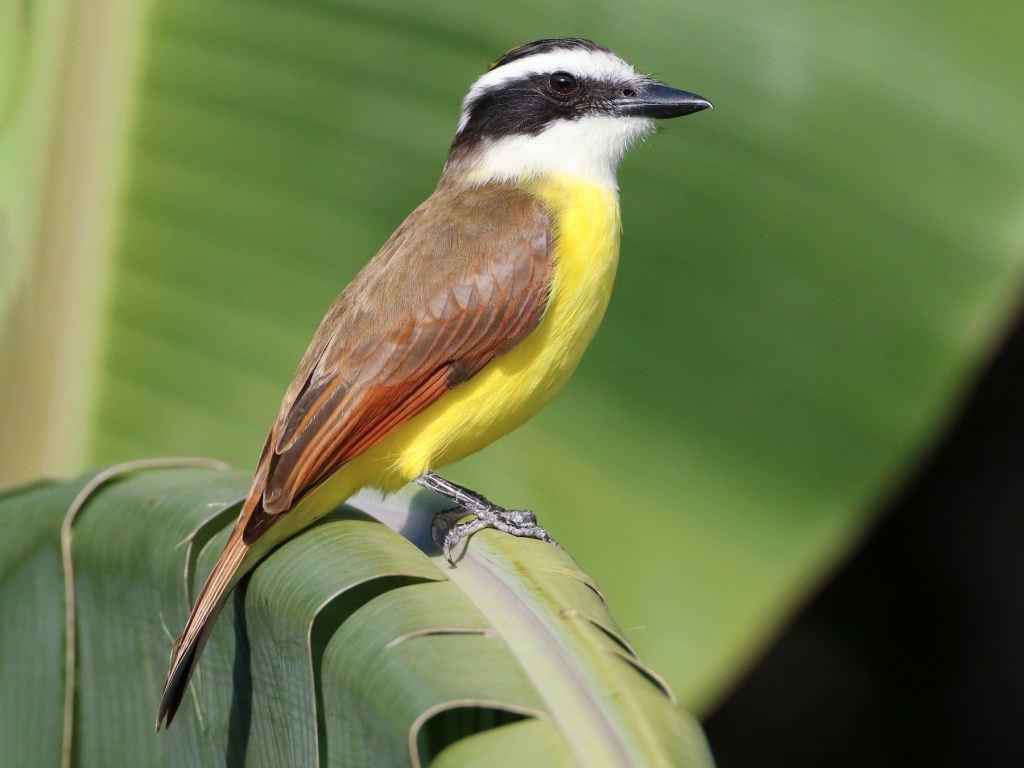
Some thoughts on sounds: I always wake up to birds chattering. Some of this is very melodic and peaceful, but other birds seem to be yelling at each other and make a real ruckus (the parrots in particular). Also, I have made a few little friends by putting breadcrumbs out on my windowsill – I think they are Great Kiskadees (see photo above).
When you walk through the streets, there is typically some music on, from some bar or store. This could be Soca, Calypso, or just Classic Rock; or some beautiful Indian music; a real mélange as you walk. Only silence is unlikely. Yesterday at the local market, I heard a nice steelpan player. I wanted to upload a file for you to hear, but that costs extra. Thank you, wordpress.
When I talk to people, it is in English. I have heard Spanish from the many Venezuelan immigrants here, but a direct conversation has not yet happened. However, the problem with the English is that I often don’t understand it. It has gotten a bit better in situations where I know what the person is supposed to say (for example, at the supermarket checkout: “Do you have a Massy card?”; or when the rideshare drivers call, I NEVER understand a word, but I assume they say WHEN they will arrive, so I just say “ok, perfect”; or, the roti vendors when I tell them my order: “Mango and pepper” – do I want that? “Yes”, obviously). Often, I have to ask again, and if I then still don’t understand, I just go with the flow. Many of the people I talk to in more substance are academics and they know of my (and every foreigner’s) predicament and switch easily to what sounds to me like British English with a nice swing and some special Trini words. Perhaps this can be compared to the difference between Swiss German and German that Swiss people speak to Germans (for my non-German speaking friends, I NEVER felt more foreign than on my first visit to Switzerland where I expected to understand everything and understood nothing in a group of Swiss German speakers). The difference is that Trini English has so many cultural influences that result from the history of mixing – there are Amerindian, Spanish, French, African (I don’t know the exact languages that made an imprint) and Hindi expressions, among others.
I LIKE the people here a lot. I find them friendly, but reasonably so, not in an exaggerated way. By which I mean: they know their own worth. When they see me, I could not say what thoughts go through their minds, but I represent a wealthier exterior for sure. So there is a bit of taxing (who is this person, what does she do here?), but then, very respectful, friendly, polite, warm exchange depending on the person. It sounds perhaps awkward to write this, because why should it be different, right? Well, it often is. You sense a creation of hierarchy through gestures, postures, ways of talking and many other things. And I want to believe that there is something in the broader history of this country – with all defects, that all societies have – that has instilled a profound self-value in people. As in: “look, we are not the richest or most powerful country in the world, but we managed to become independent from an empire and have grappled with that empire’s legacy of exploitation, we know these structures are still powerful, but we have worked hard to create a national collective through access to education and other measures that benefit everybody. We are not perfect, but we can look back at achievements.” There are also some other parts (increasing inequalities, corruption etc.) but I will leave that out for now.

To illustrate my friendly encounters: I always have nice chitchats with the people who work as guards at the Residence Hall. I asked one about a tree across the street that I found interesting because of its red fruit – and he told me in detail (of which I understood some) that this is an Ackee tree; that it is often cooked with fish; that one cannot just eat it because uncooked, it is poisonous; and that it is very prominent in Jamaican cuisine.
Another guard is just super upbeat and seems to be really happy when we come back in from an outing (e.g. Lopinot, see last post) that we are getting around and enjoying ourselves. When I first set foot on UWI grounds – remember that the university is still pretty much closed, and most classes are remote – I had all kinds of paperwork with me to get access to the library, which means to pass the guard post. But I was surprised to see the friendly guard from the res hall was on duty there, and as he saw me he just waved me through, dismissing the paperwork because “I know you”. By the way, I love the University – it was first an agricultural faculty, which explains the many trees. Of course, before that, it was a plantation.
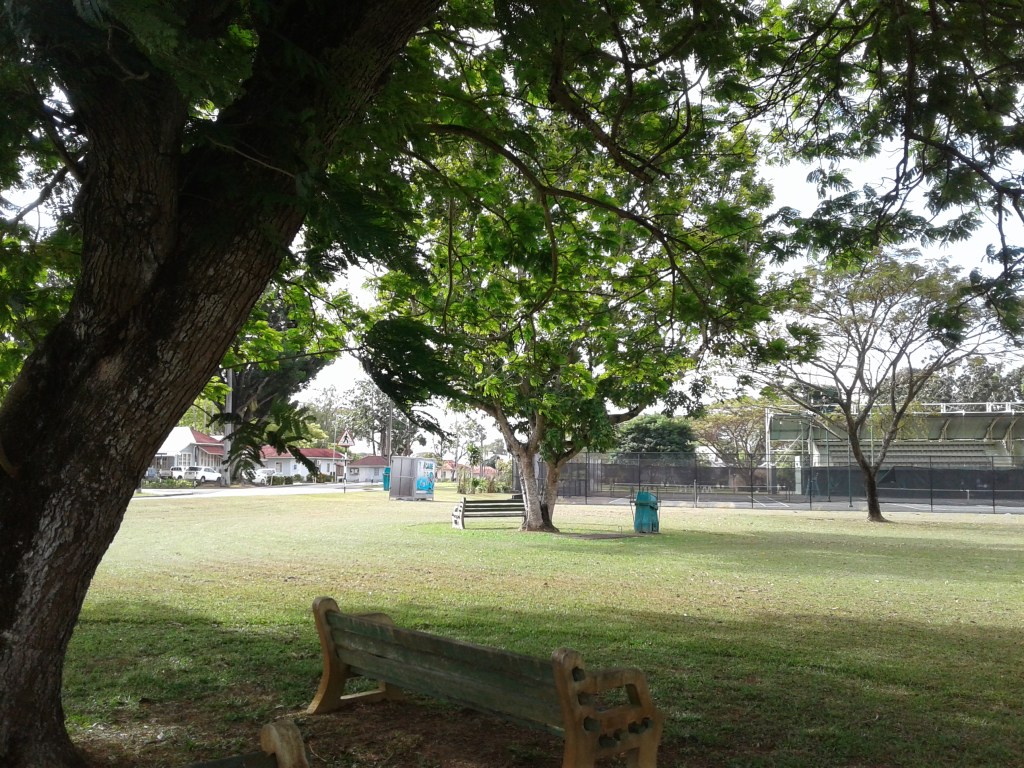
When I walk along the streets and pass people, they typically greet me, either with a “good day” or a wave, especially when a bit farther away. I like that a lot, it is a recognition that you are there and that you are seen – I do the same in return (or just do it first). The other day, I was passing some workers who were taking a break in the shade of a tree and one of them said “have a blessed day”. What a treat.
The rideshare drivers are also interesting to talk to. I had one female driver so far – I always understand women better than men. During the ride, she pointed to the sky and said the weather might be changing. To which I said, I should probably buy an umbrella, if she knew a good place to get one? She said that wherever I went to buy one, I should make sure it opens right and does not break right away. I found a store (Chinese, very typical here) with all kinds of stuff, including umbrellas. I asked an employee if I could open an umbrella I wanted to buy, and she made sure to do it for me, meanwhile we were having a nice conversation. As it opened and closed well, I went to buy it. At the cashier, operated by the store owner, he asks me: “Did you open it?” It seems that everybody knows exactly what an umbrella purchaser needs to do.
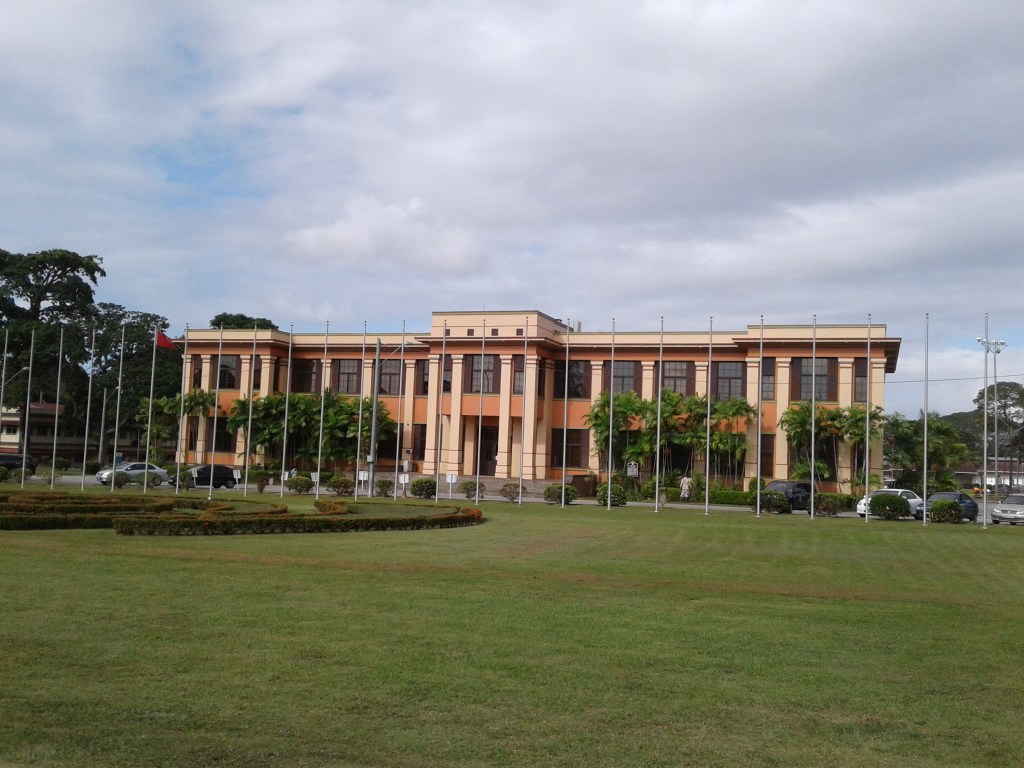
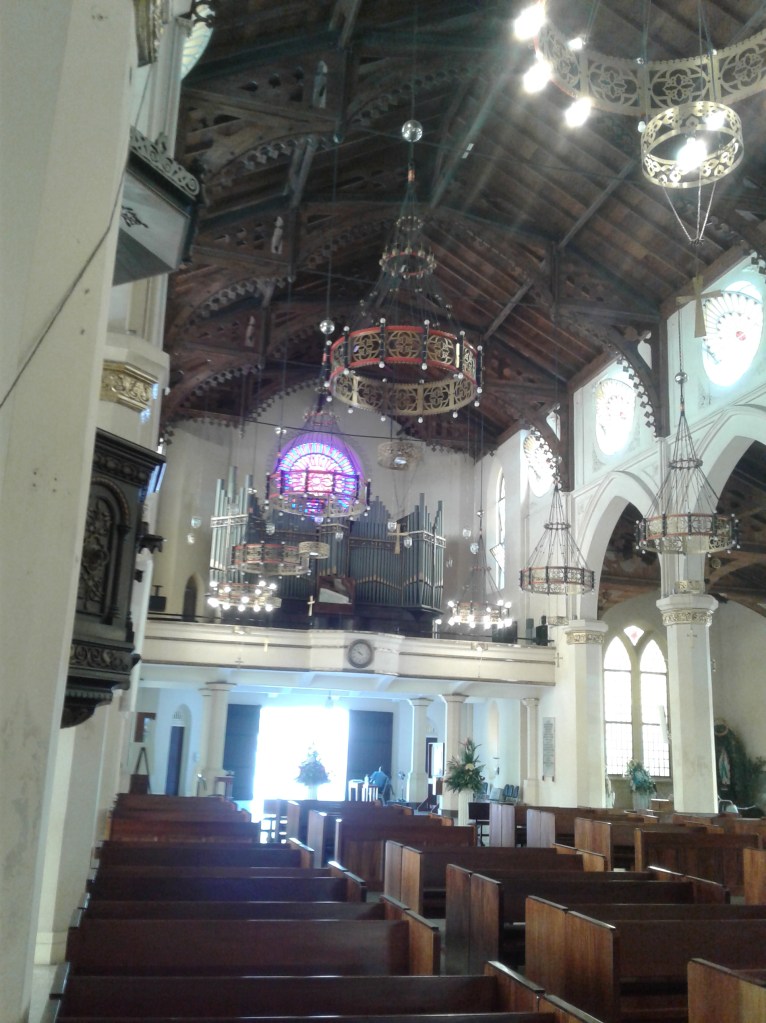
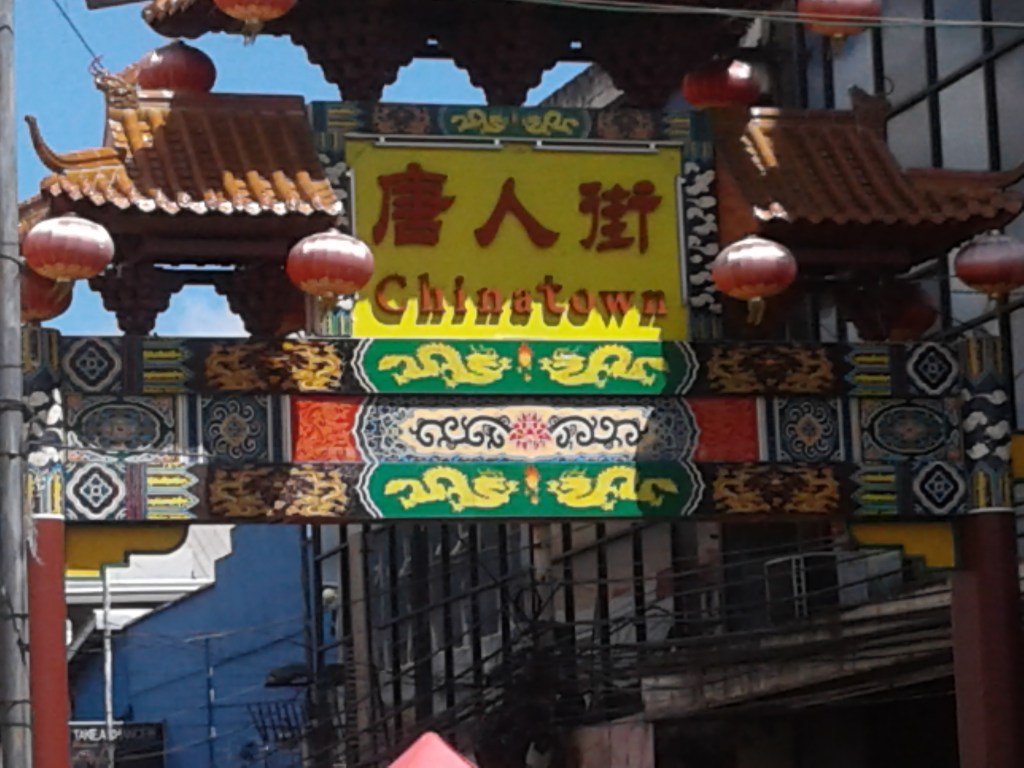
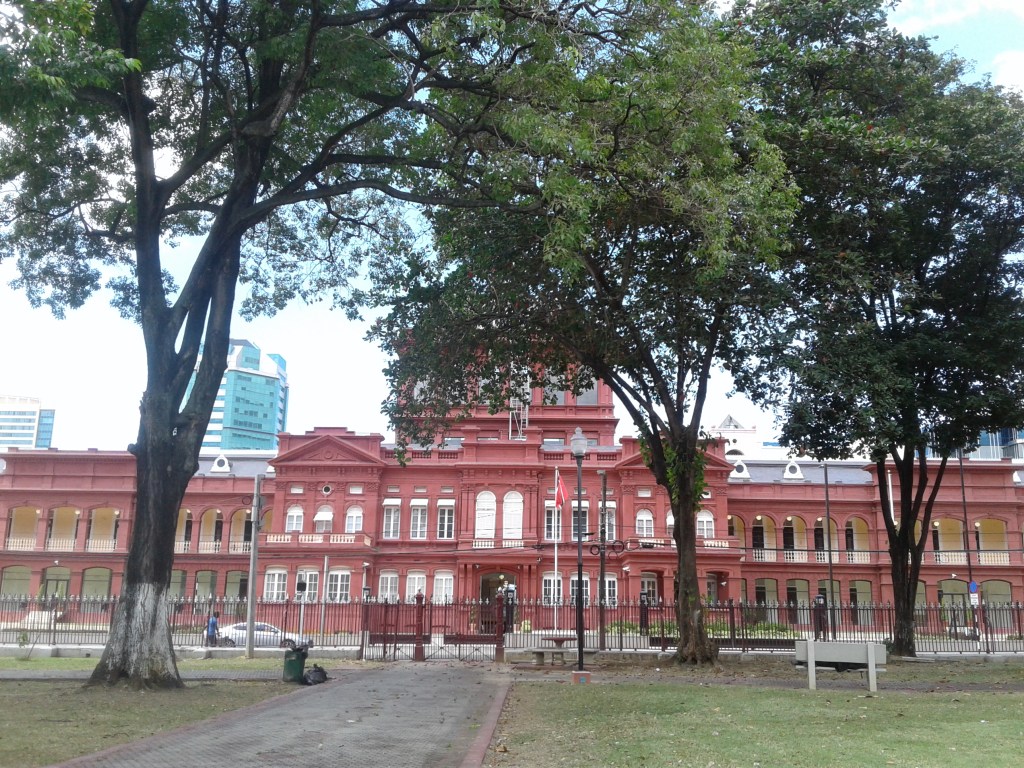
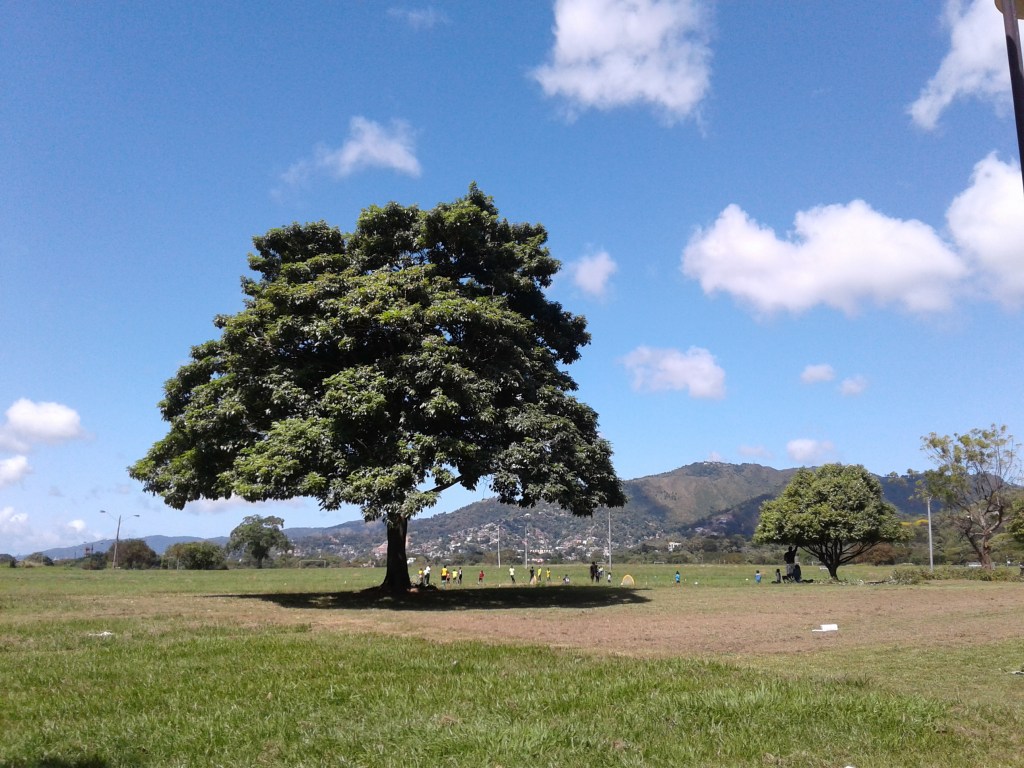
Let me close with a few visuals from Port of Spain: the Cathedral; Chinatown; Woodford Square, which is a very political place: Eric Williams gave public lectures there in the years coming up to independence, and the square was then called for a while “Woodford university”. Across the street is the Red House where the Parliament convenes. The Savannah, a huge park in the middle of Port of Spain, perhaps as important as Central Park for New York. Most of Carnival takes place there.

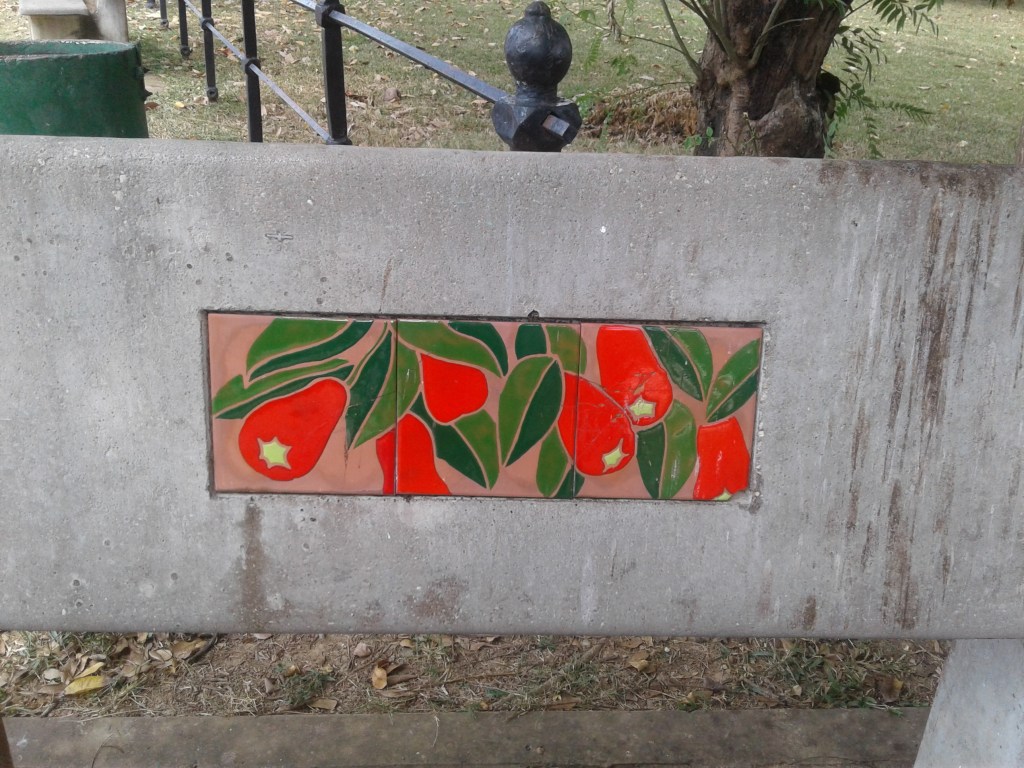
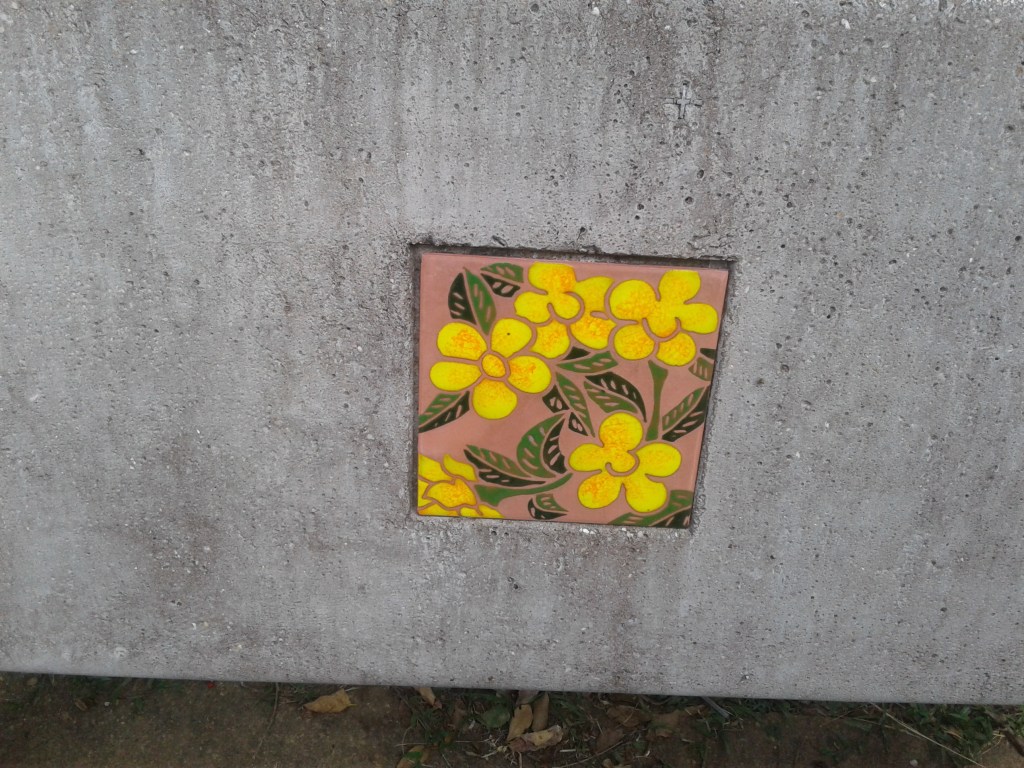
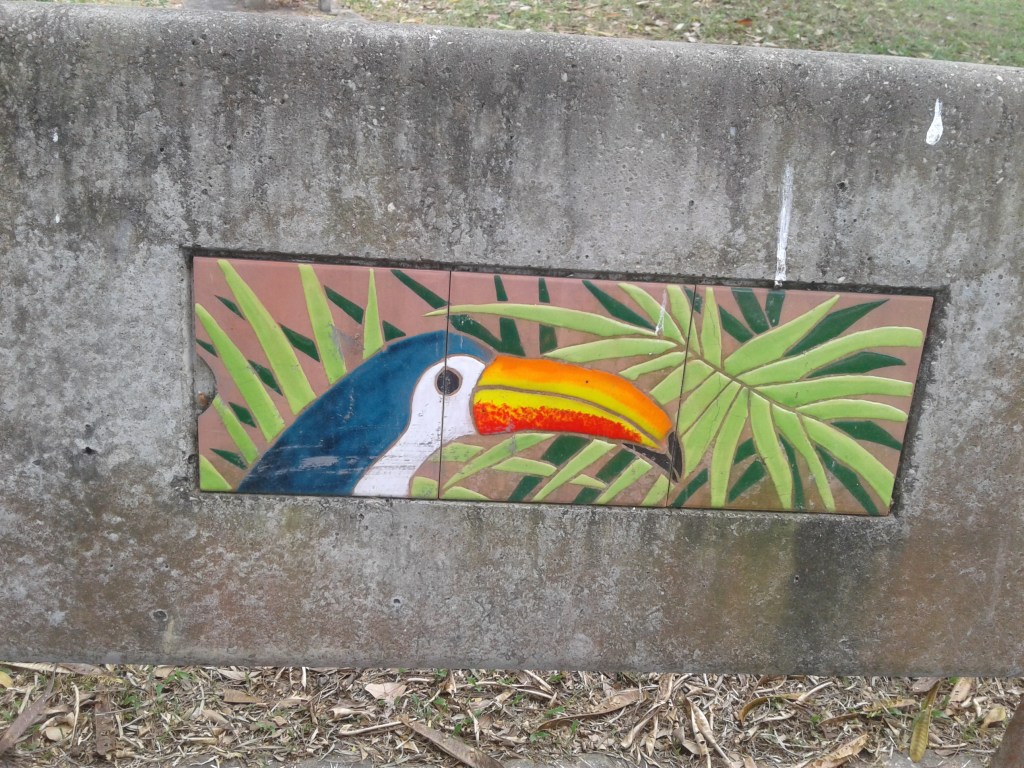
And finally, a little detail that called my attention: colorful tiles in otherwise really ugly cement benches. Enjoy!





 The common sense feminist