Feminist Mothering Month

May is the month in which many countries officially celebrate mothers, so let me talk a bit about motherhood as a commonsense feminist. I have my own experiences to draw on, both as a mom and as a child who was exceptionally well mothered, long into adulthood. But there is so much more – mothering is a social institution, very differently defined throughout history and in different parts of the world. Two characteristics motherhood often comes with, cross-culturally, are a) it works as a social glue and b) it is blatantly devalued.

Throughout my upbringing, I have not perceived the message that motherhood and feminism go well together. Aren’t mothers self-sacrificing, caring creatures, and don’t feminists hate them for that (as they hate so many other stuff, like – MEN)? The idea that real women don’t only accept but embrace their natural calling of motherhood has never gone away, and it seems to be getting stronger recently. Feminism has very critically dissected this narrative. The result is a more realistic understanding of mothering. This helps to put mothering in its right place, which is at society’s core, and it also helps to understand the magnitude of the task, performed by individuals through a lifetime. I am grateful for this feminist learning process. As having children or not is truly the most important decision you will make in your life, I say think it over carefully. And then, go with the flow, either way.  
Three generations

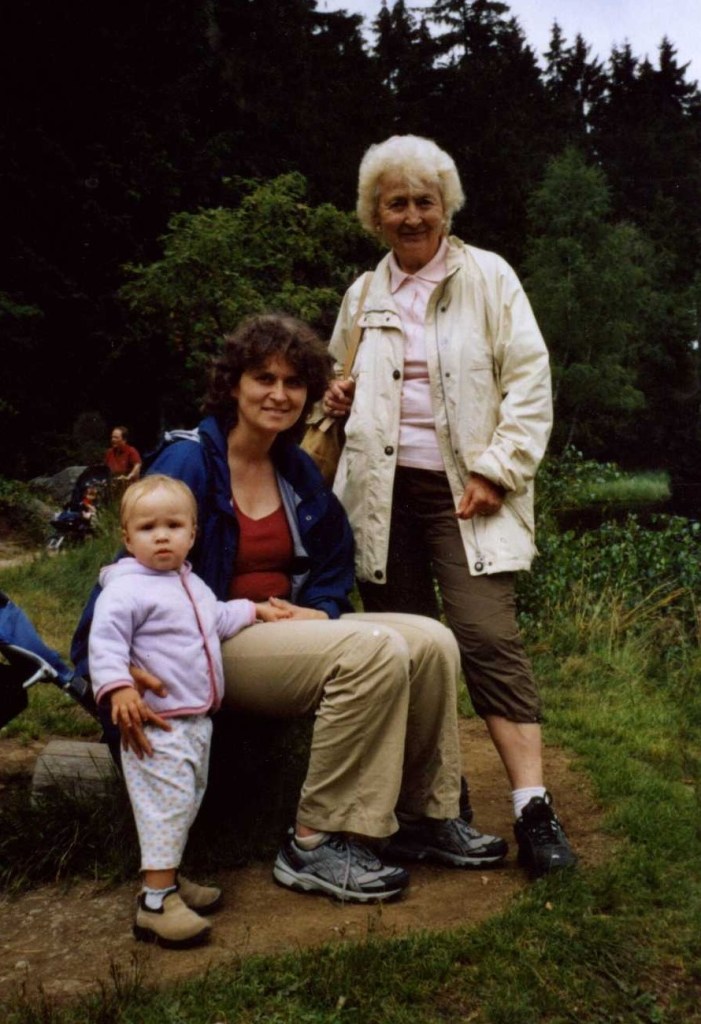
For me personally, May is also the month when my mother passed away (13 years ago now). And this year, May is exceptionally exciting, because my daughter is graduating from high school. In the fall, she will leave her home to go to college in New York City! It feels like I have done the biggest chunk of my job as a mom, but I know there is MUCH more to come.

I read once that a female baby is born with all her eggs already inside her ovaries (millions of them). This means the eggs that will become the children of this female baby exist when she is an embryo – suggesting a very long biological connection between mother and child. In my case, I was not just born in 1968, but existed in egg form already in 1937, and within my maternal grandmother … I found this a crazy thought. I don’t want to get too biological, especially as I believe that non-biological parents can be exactly as caring and bonding as biological ones. But I am interested in the bond that is being created through the social practice of mothering. And when I say mothering, I mean all parenting, but since mothers still do most of it, I keep the term gender specific.  

My mom was not a feminist – she would not feel offended by me saying this because she was incredulous when I turned into one. Her life was all about fitting in, doing what was expected of her, caring for others and not being a burden. And being part of a group (family, tennis club) and having some fun. I remember her as a systematic provider, as someone who constantly thought of what others might need that she could do for them. I teach about these things now in my feminist classes calling it “reproductive labor”, but I was not sensitive to any of this when growing up – she was the support structure the entire family took for granted. She was not someone who constantly reminded us of all that she did for us, but even she could get bitterly disappointed when we could not come up with anything thoughtful for Mother’s Day. Or her birthday. Very pathetic on our end, the shame eternally memorable, but what did we change? Not much.

She was good at doing things for others because she had experience in it. There were the daily things like grocery shopping, home cooking, the laundry, but also more extraordinary caring. When I spent some months in Chile for my master’s thesis and found myself in a depressed mood, she called me regularly, at 3 am her morning because of the time difference, to check in on me. When I was in the final stretches of writing my master’s thesis, she took the train from Nuremberg (where she lived) to Hamburg (where I lived), stayed for a week, and made sure I could fully concentrate on putting it all together. She cooked real meals for me (what a luxury in those student days) and proofread everything. She also found the content interesting (on women’s organizations in the Chilean democratization process) and asked at some point: “Was ist denn gender?”

If I am honest, I think much of my development as a human being and finally an academic was about having a life different from hers. A life less hidden, more about standing out, more interesting, and definitely not a life where my raison d’etre is the wellbeing of others. For a long time, I also had no desire to become a mother. However, this was not only because I knew how labor intensive it would be, but also because there was no stable partner in sight and academia did not appear a cozy place for this life project. Still doesn’t. From my mom’s perspective, I had my priorities wrong. Where was the stability, both professionally and in terms of a partnership, why was I moving so much, and why did I need to try everything and could never decide what I really wanted? I took me a while to understand that she had not just subordinated her needs but made decisions in her life and stood by them, accepting the good and the bad parts.

When I became a mom (a single mom at first), I emulated many of her practices. In my brainy life, I had no idea about the diapers, the bathing, the feeding, the teething, and the constant demands of a baby, the impossibility of having five minutes for yourself (that was the hardest after the academic normal of reading and writing for hours). She had her little tricks – I don’t remember many, but they helped a lot (here is one: cut baby fingernails when the baby is asleep). I also, finally, realized how much I had benefitted from her constant care work, and how non-natural it is to do this work. As other parents, I have experienced it as a great joy to raise my child, but especially throughout the early years, I think I was a completely different person out of pure exhaustion.        

So where is the feminism in the mothering? One dimension is recognizing the concrete (for the kid) and general (for the world) importance of care work. It is embarrassing to say that I only fully understood the value of care work when I had to do it myself. That is when one also understands its devaluation. And perhaps, people who never do it, or do very little of it, never understand it. After initial single parenting, I have long lived in a partnership where we share reproductive labor, more or less equally. Perhaps our daughter learns something from seeing this.

Another dimension is that in the concrete relationship that mothering is, one can make room for values such as justice, self-love, equality, solidarity, kindness, and respect. The good things humanity needs and never has enough of. The dinner table is a good place for that, or the reading stories at bedtime. I would have liked to be more involved in my daughter’s schooling, but it did not work out for me as a working mom, with a few exceptions. In elementary school, she and I did a human rights-inspired puppet play for her class. That was a highlight, because we also made the puppets ourselves, and I think the kids liked the change of pace.

Scene from the Zabderfilio puppet play

Other than that, I distinguished myself mostly in writing letters to teachers or principals if I was unhappy with something that had happened in school. To spare my daughter embarrassment, I will only mention my intervention in kindergarten when the kids started to do the pledge of allegiance without knowing what it meant. The teacher did not deny that but found no fault in it. She offered: “She does not have to do it if she does not want to”. In a room of five-year-olds and the teacher doing it. There were several occasions when my daughter explicitly rejected me sending a letter I had already written – this was not a practice that she recognized from other parents, and it was awkward, even embarrassing. However, I think she understood there is value in speaking up about a matter that one feels strongly about. And more basic, that sometimes it is preferable not to go with the flow, even if it might feel scary. Because accepting a problematic status quo could be even scarier.                   

I think of mothering as something that is a strong, passionate, and socially fundamental way of being. I found it also hard, especially when I did not quite know what to do. In the motherhood-is-natural-narrative, there is no place for this as you are supposed to know instinctively what to do. I often did not. And I found myself surprisingly unhelpful in my daughter’s teenage years – the world as it opens to her is so different from the one that opened to me. How useful can my guidance be?

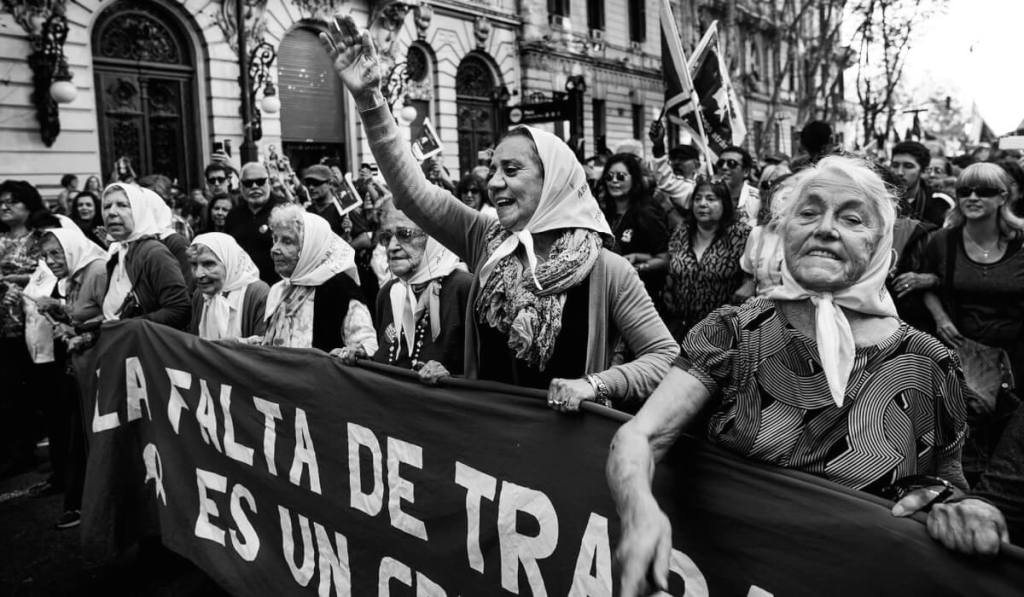
All things considered: in my experience, feminism and motherhood work well together. It helps creating self-respecting, caring children. But I realize my experience and that of the mothering friends around me is a privileged one. We never lived in poverty, our mothering abilities were never questioned because of race or social status, our children were never taken from us, we had access to decent schooling and healthcare. Other mothers are up against much more adversities and some of them organize collectively to fight them. Most heroic in this sense remain the mothers’ and grandmothers’ organizations under Latin American military dictatorships in the 1970s and 80s. These organizations were created by mothers who looked for their disappeared children, and their brave public demands to get them back, or one could say, their public mothering, destabilized the military regimes. They did not get what they most wanted – their children alive – but they did not stop.

Madres de la Plaza de Mayo in Argentina, still going strong

There are other mothers’ organizations who politicize their supposedly private roles for a public cause. In the United States, one of them is Moms Demand Action for gun sense in America. Another one to which I donate annually for Mother’s Day, is The National Bail Out Collective. This organization works to get mothers and care givers out of pre-trial detention where they end up because they cannot afford bail. This means they are imprisoned – losing their homes, jobs, and custody of their children – not because they are convicted of a crime, but because they are poor. And mostly black. Perhaps you want to join this organization’s efforts. Every year a few weeks after mothers’ day I get an email that specifies how many mothers were bailed out. It is a small victory in an inhumane incarceration system, but it is gratifying.    

Talking about trans- and non-binary gender identities as a cis-gender feminist

Miami March 9-10 conference!!

I haven’t written in a long time, partly because I did not really have a good theme to write about (menopause anyone?) and partly because I am organizing a conference that I am very excited about and spend most of my time on. This conference will showcase transnational feminist activism and scholarship that, in my opinion, has contributed to addressing diverse crises that humanity is facing, and therefore, the name of the conference is “Defending Humanity: Transnational feminist responses to violence and devaluation”. Please check out the conference program, you are all cordially invited, and it is possible to attend in person and virtually. Also – what do you think of the conference visual? I love it.

As we are advertising this conference, which by the way, is a wonderful team effort, someone left the following comment on facebook: “Hopefully this ‘feminist’ scholarship is reserved for actual females, not someone who ‘identifies as’”. I find it disconcerting that the writer assumes he (from the name, I doubt this was a “she” or “they”) knows what is right and wrong about other people’s gender identity. Don’t forget we are in Florida, where the political climate is very much in line with a statement like that. This means that efforts to recognize non-binary, non-heteronormative, non-cis gender identities as a normal part of human diversity are being silenced and, increasingly, criminalized.

I realize that as a heterosexual woman who has never really doubted her gender identity, I have not been very invested in this conversation. Partly, this seems to be appropriate, because I have rather been listening to others who know more about what it means to be excluded, harassed, and just constantly judged because of identifying in ways that some people find upsetting (and think they have a right to find upsetting). I don’t want to be mansplained about women’s issues, especially those that I have experience about AND am an expert in, so why should I take a prominent stance on transgender issues? Fine, but I am also making this easy for myself, not really engaging with potentially uncomfortable conversations, especially in a climate that has become so polarized and charged with bitterness, line-drawing, and yes, militarization, because just as when war is being prepared, it seems that one can only be “with us or against us” in this matter. I think of myself as a trans-inclusive feminist, but I feel often uneasy about swift and harsh labeling of a particular statement as transphobic when perhaps the content is more nuanced. On the trans-exclusive side, categorical disengagement can be observed when, as in the statement above, self-determination in matters of gender is simply denied.   

So, let me try to formulate my thoughts in a hopefully respectful and open manner. First off: I think of gender as social relations of power. All humans are part of this web of relations, some in more privileged positions, and some in more subordinate, even oppressed ones. There is a lot of wrestling going on in terms of understanding these hierarchies, e.g., which dimensions are the most damaging ones, and fighting to change them vs. fighting to keep them. As such, nobody’s position in this web is natural or forever fixed, and I also don’t think that anybody is forever “right” or “wrong” – we all have assumptions about what is important, and we will work toward those goals. If I am interested in gender justice and more gender equality, others are interested in a smooth-running society where gendered divisions of labor are not questioned. In which direction we are heading depends on which of these positions is more structurally powerful.

Judy B., the one and only

From my feminist perspective, patriarchal structures place men and women in a social hierarchy, but not only is this a dynamic process that can play out more or less damaging (compare, say, Afghanistan and Iceland), but it is also not the only hierarchy out there. I would also say that gender-binary thinking disadvantages non-binary and trans people more than patriarchy disadvantages women, because it pretends humans can only be “either or”, or in other words, it excludes rather than subordinates those who do not fit in the binary (women, in contrast, are integrated into patriarchy as inferiors, but not excluded from it). That may sound like a pretty abstract statement, but only if you have never experienced that membership in humanity is denied to you. Judith Butler writes eloquently about this (especially in this chapter of her 2004 book Undoing Gender) – thank you, Judith B., you have taken a lot of crap for your pathbreaking thinking!

This recognition of exclusion informs my trans-inclusive feminist position. I don’t see a reason to deny anybody the membership in femininity if that is how they identify. I also think that inclusivity and recognizing diversity is one of the important lessons that transnational feminism (see conference theme above!) has helped us learn – as women, as feminists, we might have some shared interests, but we also disagree and are sometimes divided over fundamental questions. But this should be the starting point, not the end, for searching for common ground and working together in respect and solidarity.    

Not all feminists (and other people socialized into heteronormative patriarchy) think this way. They think that “real women” are under threat when biological lines are blurred and transwomen are allowed into womanhood. Some who hold this position justify it with experiences of violence perpetrated by transwomen (which they do not consider women, but disguised men who steal their way into female spaces). I do not deny that such experiences exist. Only recently, a rather sensationalist story was carried by many news outlets about a Scottish transwoman, convicted of rape (when she still identified as a man), who was admitted to a women’s prison and then raped a female prisoner there. The rape survivor in this case was clearly not protected from a terrible act of sexual violence. No denying that.

But how is it possible to construct this story in a way as if trans women, especially the ones who have not altered their bodies and have penises, are the biggest menace to “real women” everywhere? How about we add a few points, such as a) prisons are spaces where many forms of violence are tolerated and where inmates of all genders are routinely denied their basic human right to physical integrity; b) this is worse in men’s prisons, which is bad for cis-men, but for transwomen – who are sometimes put there because they are seen as men – experience of sexual and other violence is almost guaranteed; c) women’s prisons foster many forms of sexual violence, not only by very rare examples where a transwoman is the perpetrator; d) prisons are spaces where convicted rapists are routinely in direct contact with the general prison population (typically of the same gender); they are a threat to the other inmates, and male-on-male rape is common – why does that not cause more outrage?

Rather than scandalizing an individual case of transgender rape, we should have a general discussion about such violence. After all, in terms of sexual violence, cis-men are the biggest threat to cis-women. And to others. At the same time, I do not doubt that there are some transgender people who are evil and violent, and a threat to others. That is because they are part of this large, diverse collective of humanity. Hitler was a human being. As far as I know, he was cis-gender and heterosexual, but strangely, this was never held against him.      

I think we need to negotiate our needs, especially competing needs, and feelings of discomfort or fear of threat on the basis of respect and recognition. And then we have to weigh these differences against each other and find a sufficiently satisfying balance. A position that denies another person their identity does not work for that kind of constructive engagement. In other words, if self-described “gender critical” feminists generically deny transwomen admission to womanhood, that is a non-starter.

But what about the more nuanced dynamic of feeling uncomfortable or confused by the newness that non-binary people constitute for people socialized into gender binaries? The bathroom debate, for example (or the pronouns … the sports teams …). There is nothing wrong with the desire to feel safe in a public restroom. As a footnote, this is a conversation that has never included cis-men because apparently, they already feel safe, which tells you something about gender and public bathrooms. As trans and non-binary people feel most terrified in public restrooms, because these have been sites of constant harassment for them, perhaps the focus should be on their safety first.

But how do we majority cis-gender women feel about transwomen in women’s bathrooms? Some express feeling threatened, but I suggest this is more a feeling of interrupted routine, of surprise, and perhaps of discomfort. What is threatening about a person who wants to use the bathroom and looks different than expected? Personally, I experienced as a teenager a unisex bathroom in Holland when this was not a thing AT ALL in my home country. I did not like it, because I had never seen urinals in a bathroom, and I did not want to pass by urinating men. At the time, this had nothing to do with gender inclusive bathrooms (even if it fulfilled this function), but it was a Dutch convention I was not used to and felt uncomfortable with. Could I get comfortable with it – most likely, if most of the Dutch people could. Is it legitimate to voice discomfort – I think so, but perhaps in recognition of other types of discomfort and as a contribution to a general discussion, not as an undisputable standard that needs to remain unchanged. After all, societies are systemically dynamic.

Luise F. Pusch

As a feminist, I have wanted a lot of changes that others have not wanted, and for the ones that did happen, I am sure some people felt and perhaps continue to feel uncomfortable about them. Gender sensitive language is one such area. I will never forget the work and impact of the hilariously funny German feminist linguist Luise Pusch (especially her 1991 Das Deutsche als Maennersprache). She showed how deeply engrained the male-form-as-standard is in the German language, which is very gender binary, different from English. This became sometimes rather bizarre, for example when tampon instructions were written in the male form, for a universal user. German is still binary, has changed a bit, with some alternative gendering forms catching on (again, this is a contested process, going on right now!!), and it is clear that social, here linguistic, conventions are negotiated and not natural.     

To conclude, I think it is time to recognize humanity in all forms, even those we are not used to or do not like. That means we can voice criticism, discomfort, or disagreement, but we should train the ability to put ourselves in the shoes of others and take their needs, especially the most pressing ones, seriously. Please don’t let me alone with this long, meandering monologue and let me hear your thoughts and reactions!   

“Helping young people think” and yes, I still have some Sabbatical energy left

The other day, a friend and colleague asked if I still had some energy left from my Sabbatical or if that had already faded. I had to think about this for a bit.    

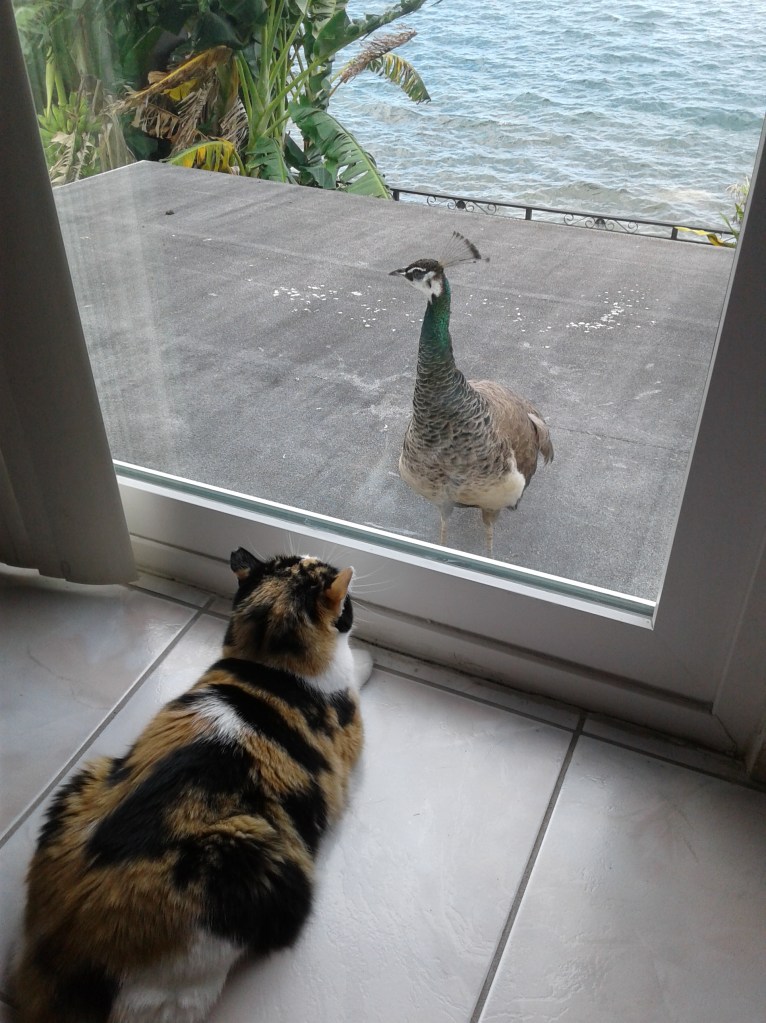
How might this have looked like without the window in between?

I still feel energetic and feel generally happier than in many other semesters. Some of the Sabbatical year practices are still with me, among them, paying attention to the beautiful and funny things in life (such as the encounter in the photo) and going running as often as I can in the morning. Also, I really, REALLY set time aside for writing projects and other things that excite me (currently, organizing a transnational feminist conference!). So, I am not fully run over by the daily institutional demands. But of course, they creep up; one thing I am re-realizing is that my institution is not great at valuing faculty and their needs and opinions. I don’t mean rhetorically – they praise us in highest terms whenever they can. But when it matters? A few instances in the last weeks reminded me that we might not have our administration’s back (e.g., when it comes to HB 7), or that our leadership is completely content in making decisions that affect faculty deeply without consulting us in meaningful ways (like: the President’s search – we were kindly informed of a single – internal – final candidate and then invited to ask him questions about his vision for the university …).   

Those things are frustrating. I am not entirely sure how an institution could validate faculty in a way that we were all happy (we are a complicated bunch), but it would be nice if not everything went over our heads, and if we were not constantly told to do stupid things that take time away from what we love to do and are good at. One of those things is – in my opinion – to “help young people think”. One of my best moments in the last weeks: I go on my morning run in the park, work out a bit, and start a chat with a lady a bit older than myself; in the conversation, I mention that I am a college professor, and she REALLY says: “Ah. You help young people think.” I wanted to kiss her! Please, administration: talk to that woman. She gets it. The main thing is not to bring research money in for whatever research; or prepare students for the job market. It is to make them critical thinkers who can make a mark on this world. As a social scientist, if I accomplish that, I can die in peace.

Which brings me to some classroom experiences this semester. Let’s get some smaller complaints out of the way first – I do feel that Covid has added a layer of confusion or lack of direction for some students. They don’t come. They don’t read (those two things are not new). They don’t do assignments. They don’t know that there are assignments. They don’t read emails. When I asked one student if she read an email I sent – with important information for her on a zero for an assignment – she said her phone was broken and that was the only way she could read emails – so, no. If she had checked her grades, I asked – also, no, because she cannot access the learning platform … (some years ago, students might not answer emails, but I got complaints IMMEDIATELY if grades were posted that they were not happy with). Also, I let my undergraduates talk a lot, partly because I realized that I often don’t understand what they say, and I figured that they will then probably also not understand what I say. One thing I noticed – they don’t do disagreeing. One of them says something. Another one says they agree “100%” and then unfolds a very distinct position from the first student. This attitude supports a GREAT classroom atmosphere of acceptance. I admit I sometimes struggle with that, but I feel that there is a process of accumulative learning that sometimes makes me really happy. Not everybody gets everything right the first time (and what is “right” anyway), but I see lights going on, students making connections, asking critical questions, finding common ground. And for that, we have to be in conversation.      

For example: I often assign an article by Charlotte Bunch from 1990 called “Women’s Rights as Human Rights: Toward a Re-Vision of Human Rights”. This is an iconic article – Charlotte Bunch, I cannot thank you enough for having written it. A conversation starter of a unique kind. But of course, it is also MUCH older than any of my students, so I always make sure to introduce it as a historical piece and then ask if the argument still resonates with them.

Charlotte Bunch

The argument is this: human rights are considered something important enough for a state to protect them; why is it, then, that women around the world suffer from many different forms of violence and discrimination and this is not considered relevant? The article shows the severity of abuses women experience (encapsulated in the phrase “sexism kills”) and makes several constructive suggestions how the human rights framework needs to be transformed to REALLY recognize women’s rights violations. I think Charlotte Bunch, not just with this article, but with her life’s work, has definitely brought the world closer to that goal.

Do my students agree that violence against women is a massive global pattern? Do they think that those who make this point, like Bunch, are being heard and that something meaningful is being done about this problem? In other words, have things changed in the last 30 years?

I have heard many reactions over time. One of them is that violence against women is now much more recognized and that things have improved. Sometimes, this position also contains a twisted normalization of such violence. In an unforgettable statement a student once emphatically affirmed the reality of gender equality in the United States only to add casually that “we all know a girl that has been beaten up by her boyfriend” (this episode stuck with me, and I had to put it in the introduction of my 2016 book on CEDAW and women’s rights translation).

In this semester’s class, I was surprised by several students who expressed a close connection to Bunch’s writing. They talked about normalization of violence within families, sometimes connecting this to their own cultural backgrounds, and in general, about not feeling safe as young women. They said they were constantly being told to be careful, and they clearly avoided doing things marked as putting themselves at risk.

We then had a discussion about what it is that might create a feeling of safety. One student identified general and mutual respect, or in other words, the opposite of a society where some people think it is normal that they can do what they want with others. And what could create that? Education! Someone else wanted serious consequences for acts of violence. While that would not be enough to instill a collective sense of safety and respect, it would still be important to keep at bay those rejecting these values. We would also need a more constructive (social) media discourse which does not stop at scandalous events of violence, but rather informs about dangers and root causes in a non-sensationalist way. This together with public spaces and resources would help to organize and create collective strategies against abuse and to foster mutual respect …    

Yes, it sounds like I am writing from another planet. It’s election time, and the divisiveness of political discourse is at a level where it feels it cannot get any worse. But classroom discussions like this make clear to me that people are less divided than these political discourses suggest. Classrooms are public spaces – I am so glad we have them. Of course, the HB 7 police is probably less happy. I had forgotten about them, until last week, when we talked about ecofeminism and several students enthusiastically commented that they had ”never before” heard that the oppression of women and exploitation of nature hang together and that made “so much sense!” Even the fact that capitalism was at the core of this exploitation was accepted, even embraced. Oh dear, I thought, that is what the higher-ups probably wanted to prevent, but hey: Everybody was allowed to say whatever they wanted! And nobody was made feel guilty …

As you can see – it really is great to “help young people think”! No doubt about it. We have it good as academics, even if the Zeitgeist whispers into our ears that we are only worthy if we produce revenue and output (shut up, Zeitgeist).

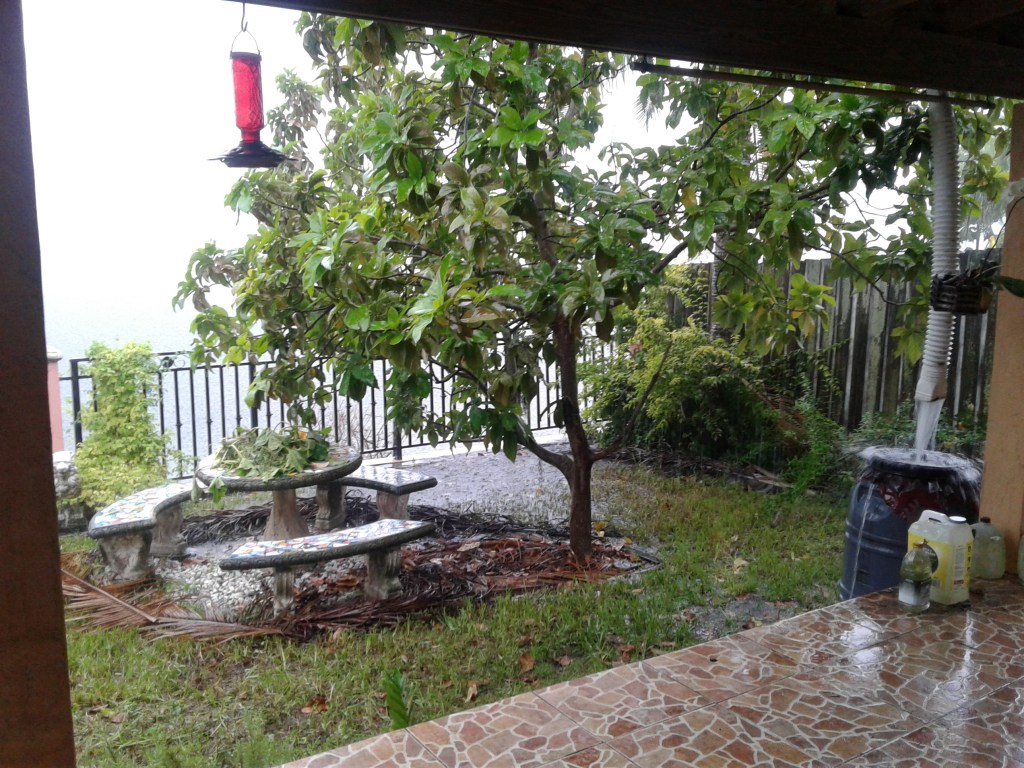
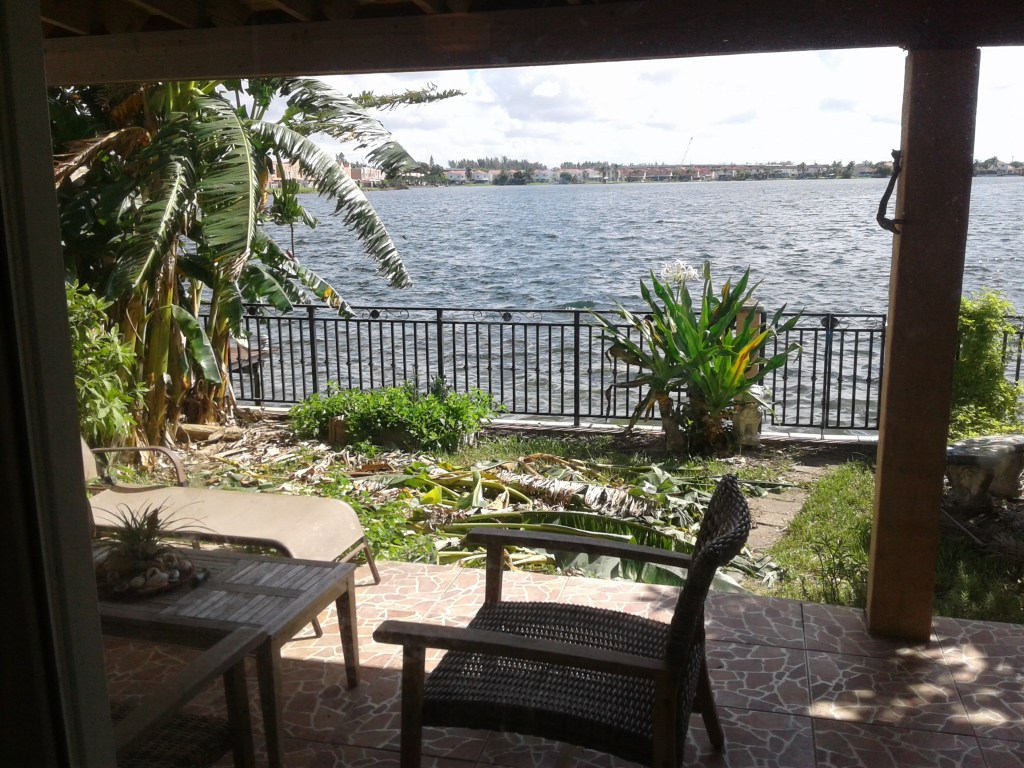
As is seasonally adequate, I am grateful for the spaces we still have. And also, that this year’s hurricane season is almost over, and we had our backyard flooded only once. This is not really related to the post, but I had these two pictures which I think show you that it is only a matter of time that Mother Earth takes revenge. Go ecofeminism!          

Musings of a commonsense feminist in times of HB 7

After the fun experience of writing blogs from Trinidad, I have pondered if and how to continue writing, but it felt as if there was not much to say. I have been back in Miami for over four months now, and life has been busy. I am back teaching, which is quite amazing, because I have not been in a classroom with students for about 2 ½ years, and I can tell you, it is a physical experience to teach face to face. Since I have been out of practice, it was particularly noticeable.

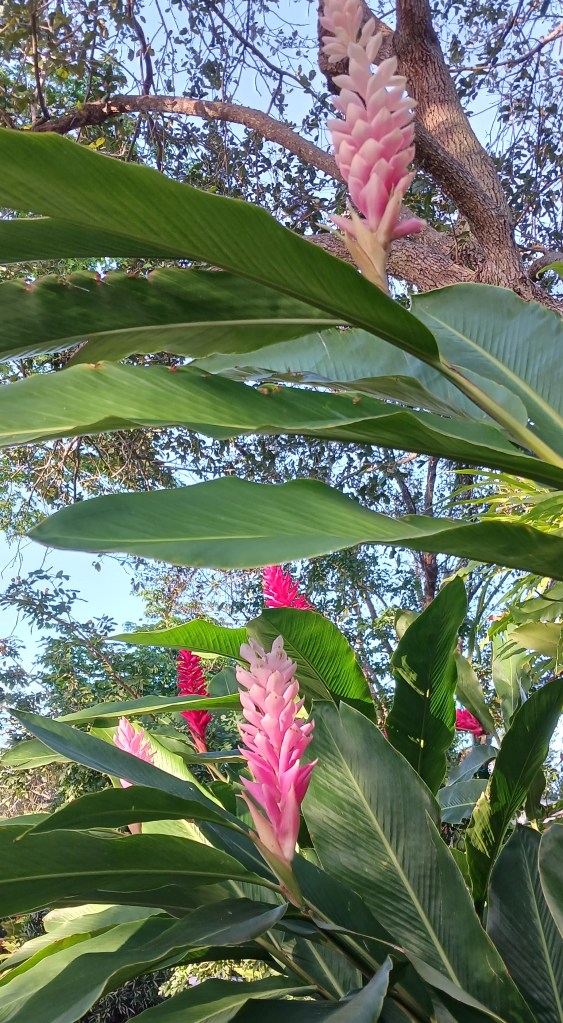
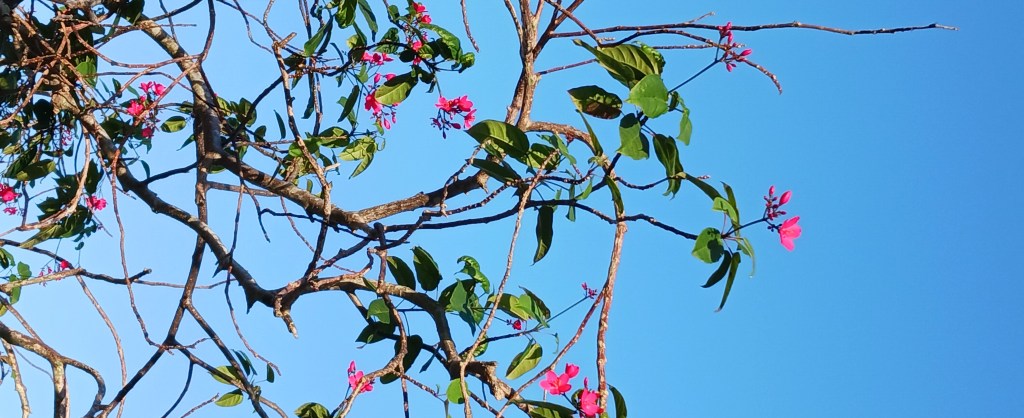
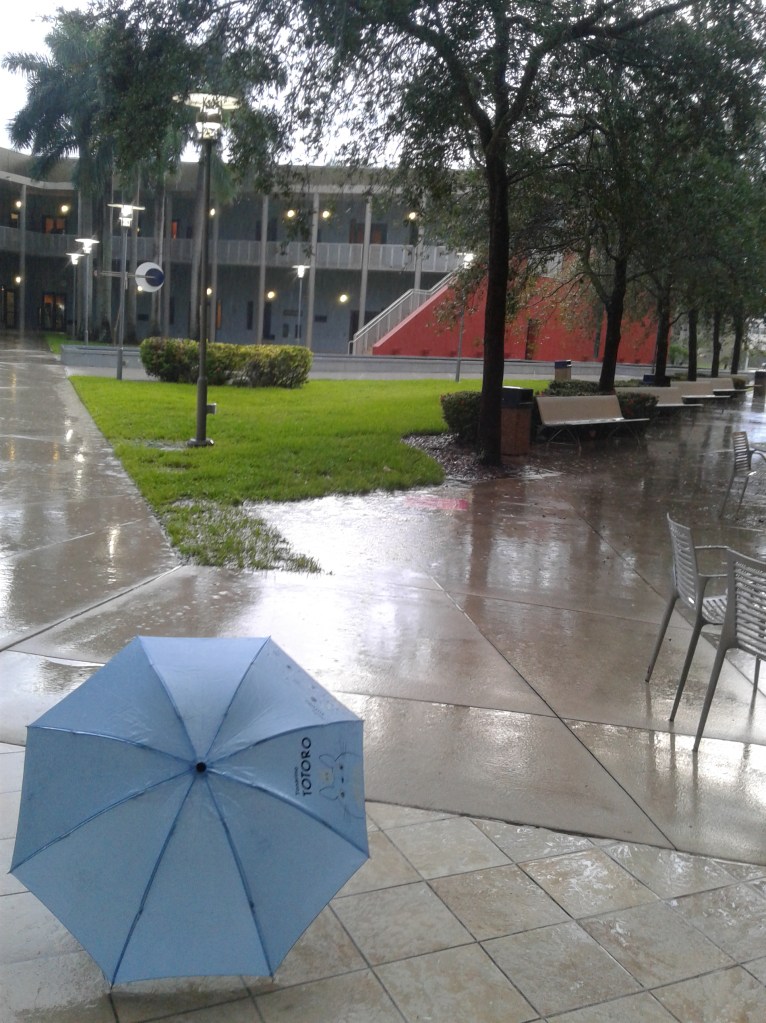
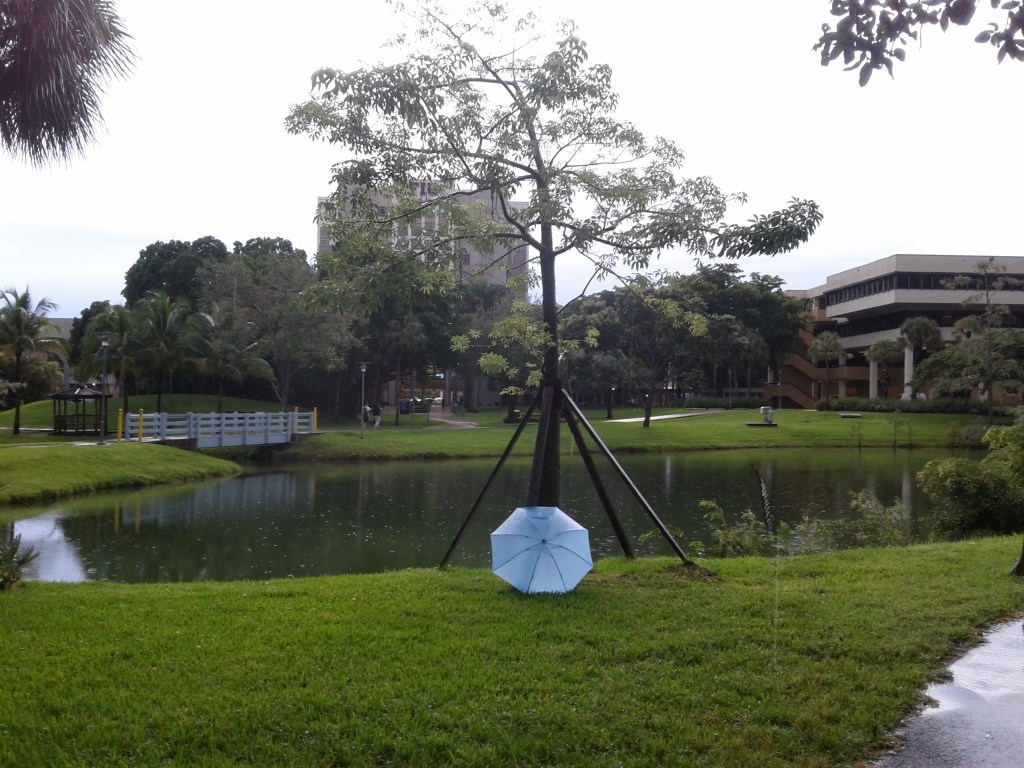
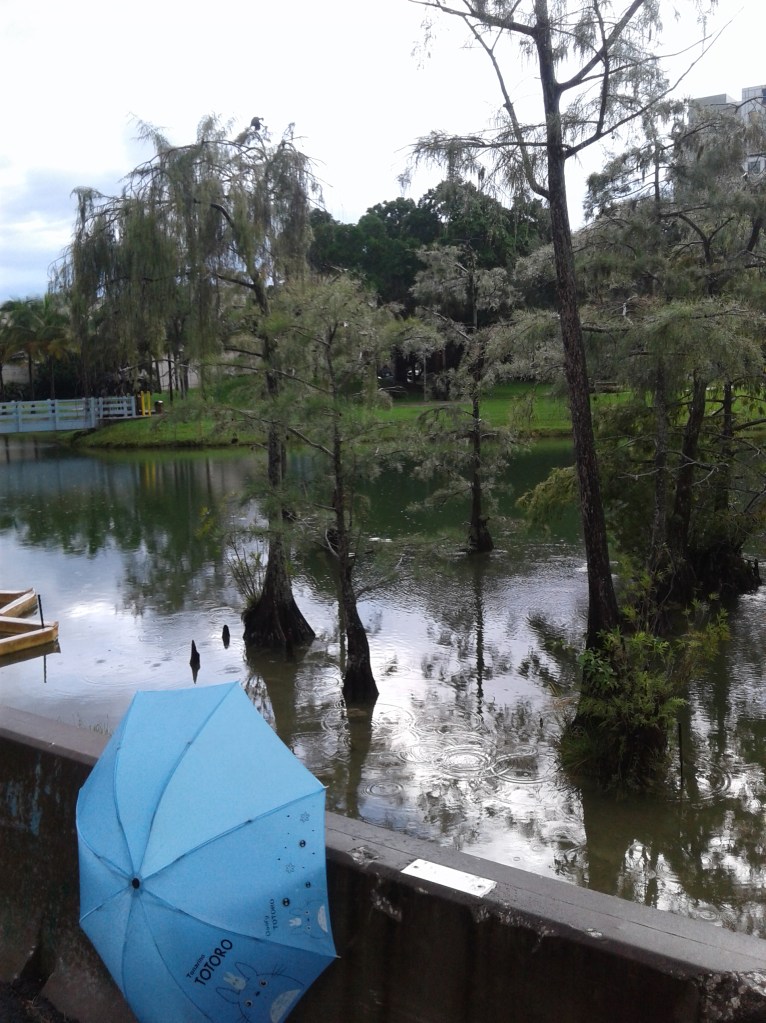
I’ve had a great year off. The Sabbatical allowed me to get off the grind, do things that I am passionate about in my own speed, and of course, I had this wonderful opportunity to get to know a new country, Trinidad and Tobago. The past year has allowed me to find my voice again, which I had lost somewhat before, and I am confident I will use it more often. Also, as you can see in the photos, taken this morning shortly after a massive downpour, FIU’s campus is beautiful – the vegetation of South Florida is right there (also some fauna, but hard to see).

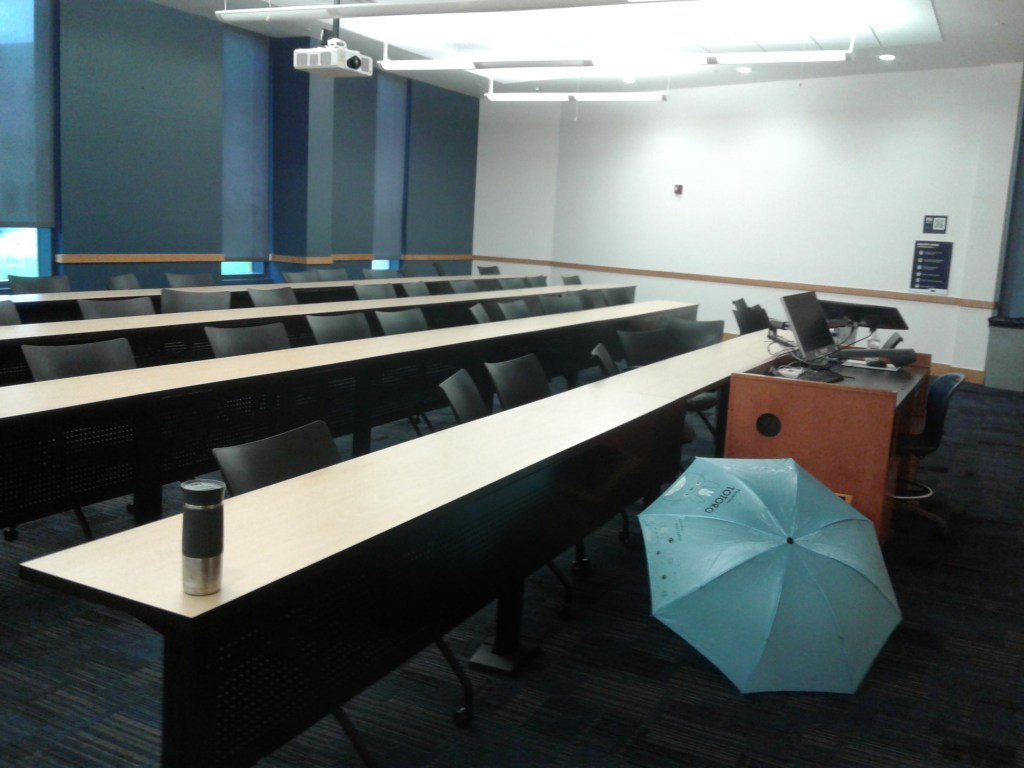
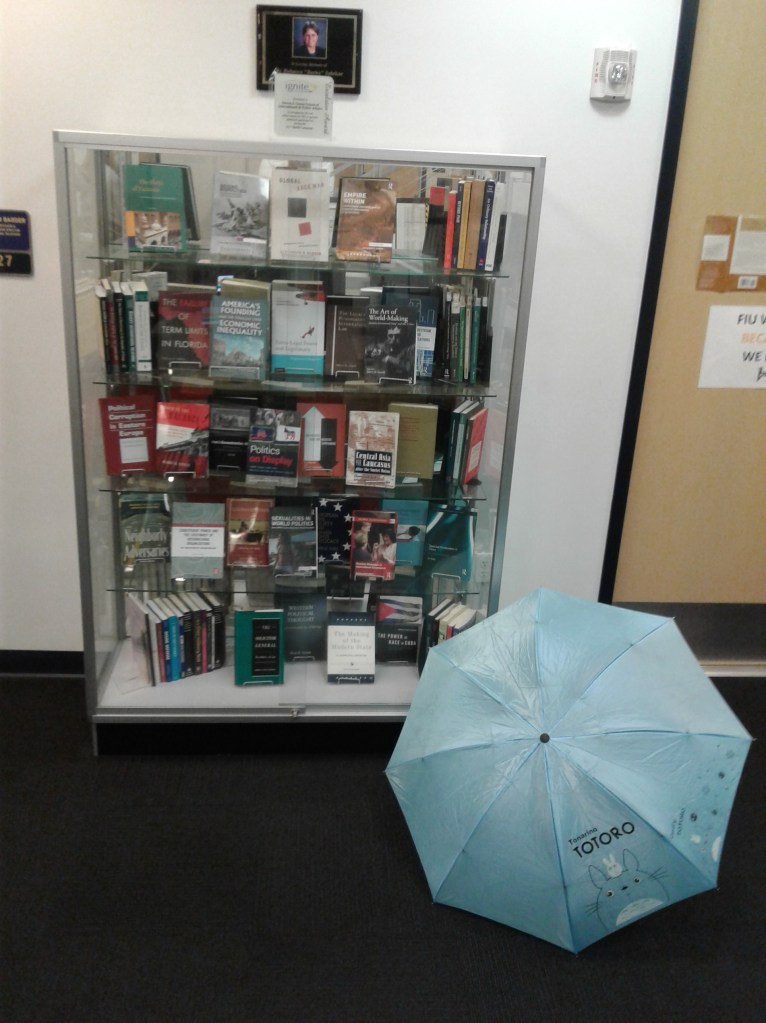
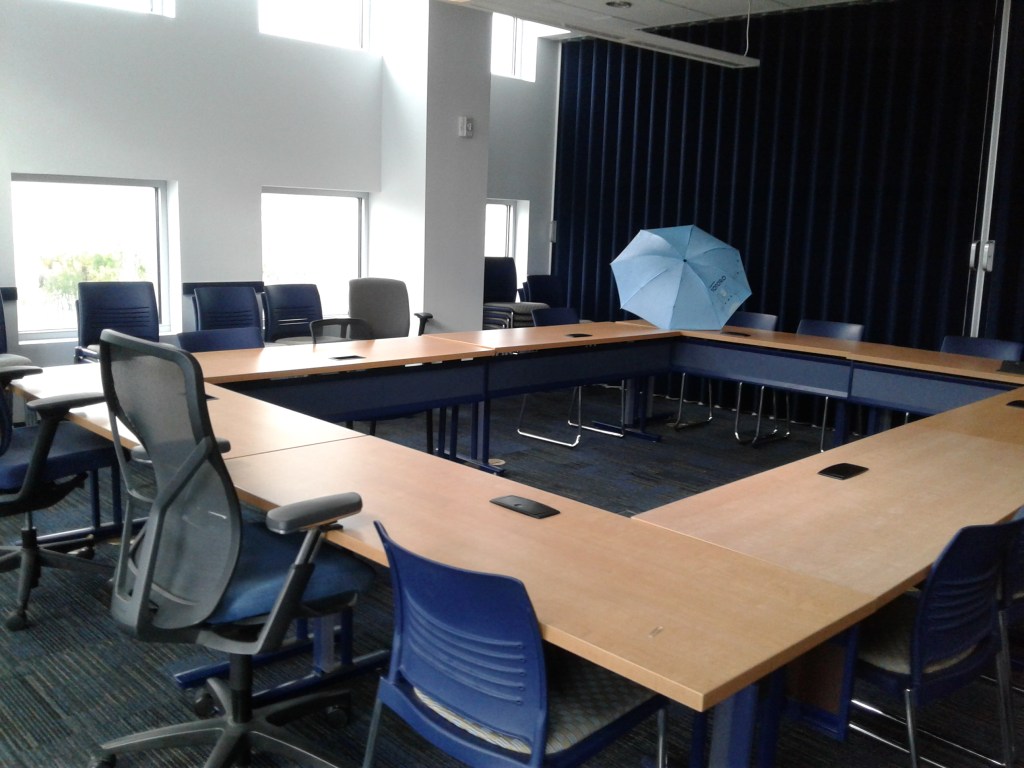
Here is also a glimpse of my classrooms. I am teaching one undergraduate and one graduate class this semester, both in my fields of interest (Gender equality and human rights in global perspective, and Feminism and IR) – for both, the first week has been lovely. The other snapshot shows our departmental “bookshelf”.

Last week, our phenomenal staff organized a Welcome back event for Graduate students. This is traditionally also the first occasion in the semester for faculty to mingle – again, I had not seen several of my colleagues as physical beings for over two years. One of my colleagues who to my delight really LOVED my blog told me that I should keep writing it. I felt flattered. So, Felix, because of your encouragement, here is my next try. THANK YOU.  

I think most of you, both inside and outside of Florida know that there is always something going on here. Yes, often things that deserve an eye roll. And indeed, there is something that makes my eyes roll – it is called HB 7. HB stands for “House bill”. This is a Florida Law which according to the website of the Florida Senate “includes provisions designed to protect individual freedoms and prevent discrimination in the workplace and in public schools”. “Public schools” includes public universities. In order to protect freedom and prevent discrimination, the bill prohibits faculty to say and do certain things. I am pointing this out up front because usually, such a move would be discredited by Republicans (the Florida legislature is dominated by Republicans) as “cancel culture” or something to that effect.

What is it that we are not allowed to say or do anymore? I find it rather unclear. It is a very confused and confusing law. The people I have conversed with about this law mostly agree that this is the point – the content is so confusing that people are getting confused, but also scared, because it is hard to determine if your teaching actually violates this law or not. For some, this will lead to self-censorship. To be on the safe side. And there are two forms of self-censorship, individual and institutional (we are getting emails with guidance from our administration – they are worried they might lose state funding if they don’t set up the right procedures).

This law also seems to drum the same beat as earlier ones for K-12 public schools (those exclude universities). These laws affect the way teachers in elementary/ middle school are allowed to talk about sexual orientation (they are not allowed anymore) and how teachers in middle/ high school are supposed to teach American history (without reference to critical race theory – which is really only one way among many to critically investigate race relations in this country). These laws contain a major difference to HB 7: they rely on “parental rights” as K-12 students are minors. In other words, if a small number of parents can be mobilized to protest against things said by teachers or in schoolbooks, apparently their opinion counts more than the knowledge of the teachers and the schoolbooks. We are in a situation where teachers are seen as radical indoctrinators, never mind that they actually studied what they teach for quite a while. But those who have the power of definition on this are parents of any knowledge level as long as they are LOUD about it. Mind you, most parents are generally fine with how their kids are schooled but have probably some kind of minor criticism (I would count myself in this category and I do sometime make my voice heard – via letters to the principal; thus far, no law has been changed because of that). The Florida parents who are heard by the legislature are a minority, and in my view, they are extremists. For themselves, they are the defenders of truth and liberty. Their critique usually concerns issues of sexual orientation, gender identity or sex education – and because there are things they don’t want to hear, teachers can now not say them anymore, no matter how marginal to their actual teaching that is (the state has banned MATH textbooks – no joke, just Florida – that had some unacceptable text passages).   

Now, HB 7 expands this challenge of what should and can be publicly taught to universities (because after all, this is where teachers and many others get indoctrinated – that must be the logic). HB 7 focuses on this class of attributes: “members of one race, color, national origin, or sex”. This sequence is repeated throughout the law. Among other things, teachers/ professors cannot teach that: members of one [insert sequence] are morally superior to members of another [insert sequence]; a person, by virtue of being [insert sequence] is inherently racist, sexist or oppressive; a person, because of [insert sequence] “bears responsibility for, or should be discriminated against or receive adverse treatment because of, actions committed in the past by other [insert sequence]”. Perhaps the most referenced part of what this law prohibits is to suggest that: “A person, by virtue of his or her race, color, sex, or national origin, bears personal responsibility for and must feel guilt, anguish, or other forms of psychological distress because of actions, in which the person played no part, committed in the past by other members of the same race, color, national origin, or sex.” Emphasis added.

Several things: First, the terms used are strange. I looked into the drafting process of the law. “Race” and “national origin” were always in there, but “color” replaced “ethnicity” and “sex” replaced “gender”. I would like to know why but have not seen an explanation anywhere. My suspicion is that the term “color” associates better with “white” than “ethnicity”; accordingly, one should be prevented to speak about “white anything” (supremacy comes to mind). But I am guessing. As for sex and gender: it is an old standpoint of religious conservatism (the Vatican started that in the early 1990s) that the term “gender” needs to be avoided because somehow it includes flexibility in all things heteronormative and may legitimize homosexuality. However, in the context of social science teaching, gender means that in relation to biologically formed human bodies (that is what “sex” describes in reference to reproductive capacities) societies create roles for and assumptions about these sexed bodies that vary significantly. Based on this distinction, social sciences look more specifically into the social construction of gender. That is what I do when I teach. Perhaps I could feel off the hook with this law because I don’t teach very much specifically about “sex”. However, it is clear that the point that this law (and the entire position of contesting gender) aims to make is that there is no such distinction and biology determines who we are, end of story. Anybody who does not agree with that is a threat to [insert accordingly] – the family; freedom (??); America …

Secondly, many things described in this law are not part of a university classroom, at least not mine. I spend a good amount of time helping students understand that they are, as individuals, embedded in social structures. That these structures influence who they are, and which values they have, but that structures do not determine individuals, also because structures are dynamic and typically change over time, and if they don’t change, then a lot of work has been put into maintaining them. Who does this work of change and stability? People. Hence, there is a relationship, we call it “mutually constitutive” between individuals and social structures. In this mindset, the personal responsibility or even “guilt” for things that happened in the past is not really a thing. What is a thing is to learn about societal developments, which include achievements as well as dark moments. This will help students make thoughtful decisions in the present and the future.

The point about “psychological distress”: I told my two classes last week that while I don’t aim at producing distress in anybody, it is not possible to avoid this to happen. If we learn things we had not been aware of, things that force us to challenge our assumptions – that could indeed cause distress. But I think that this is precisely why students attend universities. To learn new things, some of which could cause this kind of – I think productive – discomfort. When I said this, I saw a lot of people nodding their heads. And that is actually my biggest hope in this situation: the students. They are here to learn and to expose themselves to new knowledge that inspires and sometimes also challenges them.

The fact that I am now pondering the question if I should even make this post public tells you what is going on in Florida. Encroaching intimidation. Should I not do it because it could have negative repercussions for me? Let’s say this: I am not in immediate danger of being fired, because I have tenure (but that is also an institution that is slowly being chiseled away). Others feel much less protected. Also, as a feminist who teaches gender studies, I feel awkwardly affected by the law – on the one hand, critical gender studies seem targeted, but much less so than anything to do with race or sexual orientation/ identity (not saying that I don’t focus on either, but I assume this is less visible for someone looking superficially). In a way, the law does what is often done to feminism: it is silenced, made invisible, made unimportant. This time, this could be an advantage. It could add a layer of protection.

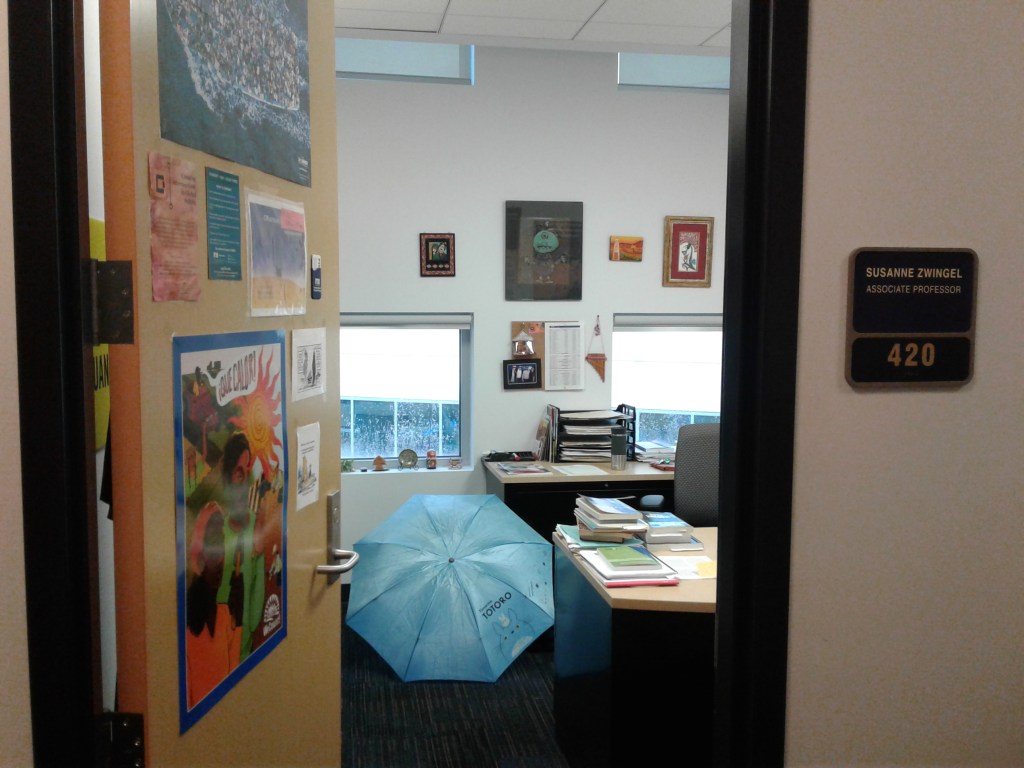
Zwingel office

We will see what will happen. The commonsense feminist in Florida is ready to comment. Also, for my imminent birthday, I asked George to get me a coffee maker for the office, because after such a long absence from campus I can simply not stand the long lines at Starbucks anymore (to wit, “long” means the time it takes to get coffee, even if not many people are queuing – as everybody has to make 200 choices about their cups of coffee!!). So, if you are in or close to SIPA 4th floor and feel the need for a cup of coffee and/ or a chat, please knock on this door!      

GENDER!!! Or: what did I actually do in Trinidad and Tobago?

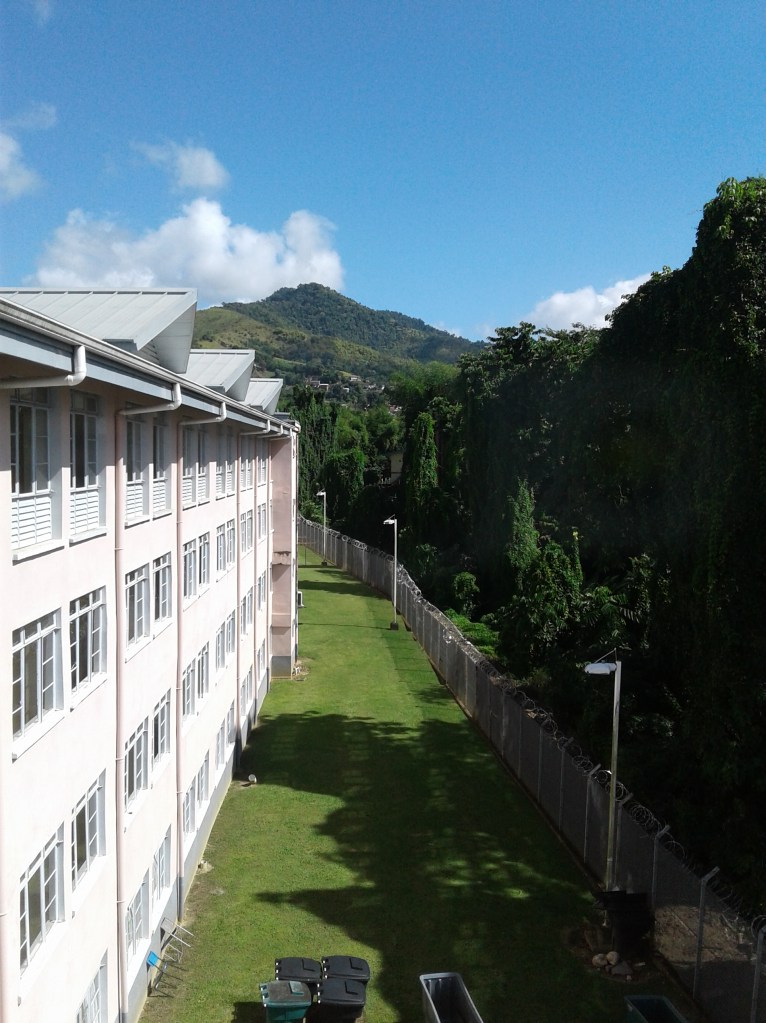
I have left my temporary home in Sir Arthur Lewis Residence Hall (see above some last moment impressions – all of a sudden, everything looked so purple-beautiful …), returned to Miami and am reunited with my lovely family! In terms of climate, I do not have to adapt much, but other things remind me of the different worlds that the United States (especially Florida) and Trinidad and Tobago represent. No birds waking me up, but rather a lot of airplanes flying over our house. “Survival of the fittest” traffic – it is such a relief if you don’t have to be in it for a while. Will never forget that the Trinis honk to THANK each other – when another car lets you pass, you do a short “beep-beep”. That would probably be incomprehensible for a Floridian (both the letting pass and the thank-honking). On my morning walks, I am now greeting people I pass. Actually, many react. Let’s see how long I will keep up with it.

While I have returned, I still wanted to keep writing a bit longer. At the very least, I wanted to explain to you what I actually came to do in T&T. In this blog, I have mostly described what I found out walking around with open eyes in a new country and trying to make sense of it. This has not only been a fantastic experience, but also a very important part of my research, which in the end, is all about understanding social relations.  

More narrowly-scholarly, I came here to do a specific research project, endorsed and financed by the Fulbright Program (thank you, US government). Title: “Norms for whom? Caribbean engagements with global gender equality frameworks”. In this title, you can see two of my passions: gender equality and global frameworks. The latter means multilateral agreements, in form of treaties, platforms, goals – however governments want to call it. As many of you know, I have long worked on one specific such global framework, the United Nations Convention on the Elimination of All Forms of Discrimination against Women (CEDAW) – often called the women’s bill of rights. What most interests me is how states and societies use such global tools to make gender relations more equal, or in other words, if a global women’s rights treaty makes a difference in the lives of people.  

For now, I am particularly curious how global gender equality frameworks are used in Trinidad and Tobago (originally, I wanted to study other Caribbean countries as well, but Covid made me narrow things down). Let’s keep in mind that gender equality is a goal that no society has yet achieved, which means that there are traditions and institutions everywhere that rather support gender hierarchies, and let’s also not forget that there is no linear path of improvement, but rather a lot of two steps forward one step backward movements when it comes to making gender relations more equal.

Peggy Antrobus

Global gender equality frameworks acquire legitimacy through the approval of the world’s governments. However, influenced by de- and postcolonial literature, I have been wondering if these frameworks are really all that useful for small, geopolitically marginal, postcolonial societies like the ones in the Caribbean. What I mean by that is: While international agreements are influenced by many players – think of endless negotiations among the world’s state representatives – the interests of the most powerful actors are always dominant. Considering these power relations, how much room is there for Caribbean realities and needs, in particular if they are different from, or even contrary to, those of the most powerful players?

Roberta Clarke

It is quite interesting how representatives of small states navigate international relations. They know they cannot get everything their countries need but they try to get as much as possible, for which they need to consider the preferences of those powerful players they depend on. Often, this makes for careful and considerate politics within a problematic status quo. Sometimes, you also see some open challenge of that status quo, as in several socialist/leaning experiments in the Caribbean during the Cold War (e.g., Grenada, Guyana, Jamaica). The regional superpower made clear what it thought of it; other small states took notice and behaved accordingly, for their own “self-preservation”.   

Lucille Mair

In this hierarchical world, how have global gender equality agreements influenced Caribbean societies? Have they helped address gender hierarchies, or are they too far removed from the real-world problems of Caribbean women and men? To approach this question, I have thought of three research dimensions: first, learn about how gender relations manifest themselves in the Caribbean and how Caribbean feminist activists have tried to transform them; second, find out how Caribbean feminist voices have influenced global frameworks; and third, look at governmental and societal work on gender issues and see if and how global norms are used. I am reading tons of literature, newspaper clippings, reports etc., and I have been interviewing several fascinating people. Thanks to zoom, I will continue doing this now that I am not anymore in the country – as a matter of fact, even while in Trinidad, most conversations took place on screen.

Patricia Mohammed

Thus far, several things have become clear to me: first, I still have much to learn, which is exciting and will keep me busy for a while. In other words, I am not “done” with my “field work”, but rather feel I have just started to be part of a very interesting, complex, and pathbreaking feminist conversation. Second, there are no neat separations of levels of analysis or roles of individual actors. Implicitly, I organized my research question that way: global-domestic; governmental actor; civil society activist; scholar/ expert. What I have found is – let’s call it passionate multitasking. It is not uncommon for feminists to bridge roles, such as being a scholar and an activist. But in the Caribbean, I found people who a) created/ are creating pathbreaking feminist scholarship, b) founded and engage in several civil society organizations, c) work with or for the government providing gender expertise, and d) represent their country in international organizations. These different roles, as you can imagine, don’t always harmonize, and people do not do all of this at the same time but move out of one role and into another, but I was still struck by the way in which these elements came together. Scholarship as a passion; duty to one’s nation; engagement with grassroots organizations; working in international organizations.

Rhoda Reddock

These women defy the assumption that global agreements could completely sideline Caribbean interests because they know everything about gender relations in the region, are connected to “ordinary” Caribbean people, and have made their interests loud and clear. Not surprisingly, Caribbean activists have been instrumental, especially in the 1980s and 90s, to internationally articulate the perspectives of women from the Global South. “Smallness” of Caribbean countries seems to be key for this position – one can develop a close relationship to both the government and several segments of society. Also, the governments are very actively multilaterally engaged.

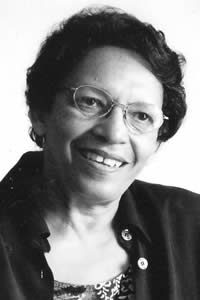
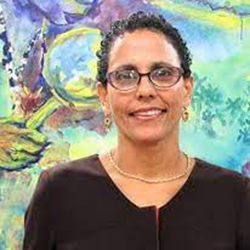
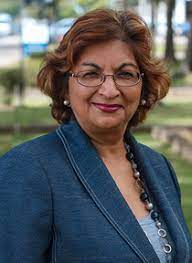
Here are some big names (and pics) of international-domestic passionate feminist multitaskers two of which I had the pleasure and honor to meet: Peggy Antrobus; Roberta Clarke; Lucille Mair; Patricia Mohammed; Rhoda Reddock.  

Also, I am still figuring out how to think about “gender relations here”. The first thing I realized is that it makes no sense to think of gender as a stand-alone category. I have written before about the hybridity of T&T society, based on the historical division and hierarchy among ethnic groups – white Europeans, Black and colored people (free or enslaved), and indentured Indians (and some smaller groups such as Amerindians and Chinese). Gender relations are tied into these ethnic groups and resulting class hierarchies; the life of a white woman had not much in common with an Indian woman, for example.

Some assumptions about gender relations that seem to be quite established (but fit better to European realities) do not apply here. In particular, the idea that a woman who does not work is in a weak position and entirely dependent on her husband. Historically, in the Caribbean, the only women who did not work were those of the white elite: they oversaw domestic servants, entertained, or were active in charitable organizations. All other women worked. During the 19th century, that typically meant extremely hard, physical labor in agriculture, alongside the men of their group, but for lower pay. In the early 20th century, society slowly moved away from the most gruesome forms of labor exploitation (indentureship ends in 1921). At the same time, resentment against colonialism was forming, and this led to independence in 1962, but nonetheless, what was considered a modern, progressive, “better” way of doing things was very heavily associated with how things were done in Great Britain/ by the white elite. Hence, while white Europeans were a tiny part of T&T society, they represented a position that the black and colored middle class aspired to. Education was a way to get there for men (see the career of Eric Williams, last post). For women, education was also important, but their education had a specific goal: that of “respectable womanhood” in support of the male head of household.         

Elma Francois

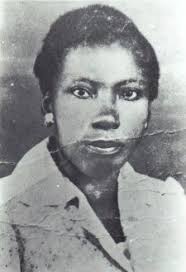
I should say that these efforts were more appealing to the middle classes who could hope for some return if they bought into Eurocentric traditions; but working-class Trinbagonians were less impressed. As is true for most working-class people around the world, gender roles were relatively equal, in the quest to secure collective subsistence. Women were also extremely visible in the labor disturbances of the first four decades of the 20th century, even if the most prominent leaders were typically men (the labor leader Elma Francois is an exception in this regard). There was some difference between Afro-Trinidadians and Indo-Trinidadians; the latter group emphasized a more domestic, secluded role for women in order to maintain their Eastern cultural traditions.  

However, something surprising happens in the first half of the 20th century, as I learned from Rhoda Reddock’s pathbreaking 1994 book “Women, Labour and Politics in Trinidad and Tobago. A history”: women become “housewifed” (those who remember this term as one coined by Maria Mies: she was Rhoda Reddock’s dissertation supervisor). Women’s identity gets rewired from being a core part of the working class to being mainly responsible for family reproduction, and that task is partly framed as a dignified support role, and partly made invisible (and with that, detached from value and remuneration). In parallel to this new ideology – let’s call it “respectable gender complementarity” – there was a material trend: the oil industry, a male-dominated field of employment, replaced agriculture as the dominant economic sector. Hence, women’s labor force participation dropped significantly. Part of that drop was also the redefinition of women who continued to work in agriculture as “supporting family workers”. The “real” worker, in statistical terms, was the male head of household. The process is of course more complex than I can describe here, but what is fascinating is that there was a colonial aim of “uplifting” the population by imitating British gender relations, and this meant to educate people. However, the education was very gender segregated: it opened many doors for middle class men (e.g., medicine, engineering), but for women, it meant to be educated into supportive housewives.   

Since independence, educational opportunities for women have widened and more young women than men now attend university. This is something Caribbean states are proud of, sometimes perhaps even scared of – starting in the 1990s, there have been intense public debates on the marginalization of men (mostly young, poor men). The more unfortunate parts of this debate have blamed the dominance of women for the emasculation of men, but it also became clear that the needs of men have to be considered in public gender policies, especially of men whose futures are crushed by economic crises.

In present day T&T, women are VERY present. Their high level of education still does not translate into equal pay and equal political representation, but they are visible as public servants, business owners, and all kinds of professionals such as teachers and university faculty; they also remain crucial pillars of their communities and families, as mothers, often single heads of household, child minders in other ways (aunties/ grandmothers/ neighbors …), informal vendors, etc.  

On the one hand there is this distinct female visibility that even men are very clear about. On the other hand, Trinidad and Tobago is strongly influenced by conservative and patriarchal institutions such as the Catholic Church. Of course, many women are devout Catholics, but the strength of the church means that issues such as sex education and access to contraceptives are still a bit of taboo topics. Abortion is not legal. Neither is sex work. Also, while there is a good system of paid (!!! Are you listening, United States???) maternity leave in place, there is NO parental leave, except for three days a father is entitled to take. I admit that surprised me in a society with women so self-reliant and outspoken. I don’t think there is ANY policy that can more effectively equalize gender roles within the family than parental leave that truly allows fathers to actually father their newborn and small children.  Perhaps this has something to do with a perceived strength of women and their networks, who have since time immemorial been responsible for raising children?  

Another oddity: the discrimination against LGBTQI people. There is increasing activism and I think one can say slow societal changes are happening. However, sexual orientation and gender identity are categories excluded as ground for discrimination that is prohibited in the Equal Opportunities Act (2000). I find it hard to understand that in a society that has been handling so many differences, that is really a model of tolerance in many ways, THIS particular issue – that each person should have the right to fall in love with whom they feel attracted to – seems so unacceptable. Let me blame it on the Catholic Church (sorry, but you have just messed up too much over the centuries): In my newspaper clipping reading, I found a remarkable statement from 1985 (ok, that is long ago, but it’s still quite a read). The archbishop explains the attitude of the Church toward homosexuals, and he makes clear that they want to “leave no one, absolutely no one, behind”. And then, he says stuff like this: “Especially is it important to help homosexuals not to have a low self-image or deprive themselves of self-respect by leading them to believe they are perverse beyond redemption”. And this: “Homosexual tendencies can come from several sources, not all equally blame worthy, and this has to be taken into account. In any case, having a tendency is one thing, following the tendency is quite another.”

I did not even delve into the tremendous level of gender-based violence, but I will leave that out for now. The post is already too long, and thank you all for reading through it! As you can see, the scholar in me could not limit herself to a reasonable word count. What else is new 😊

Great Trini people

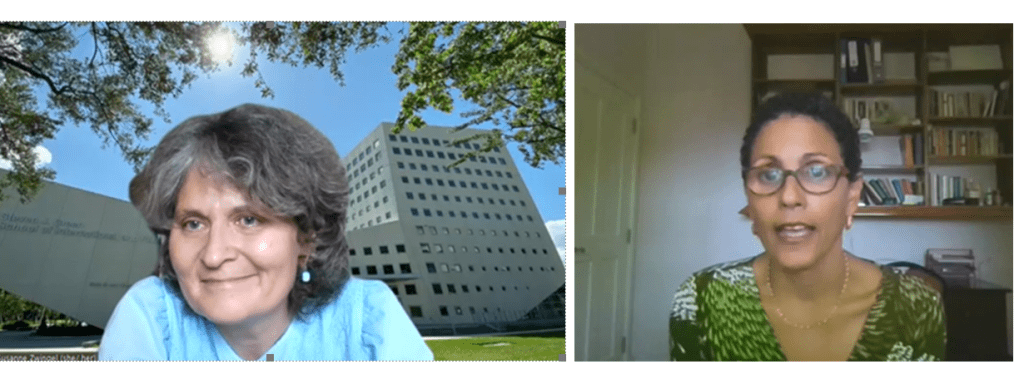
Myself and the wonderful Roberta Clarke in a lecture organized by UWI’s Institute for International Relations

I haven’t written in over two weeks, partly because I was very involved in my research, and because as part of my stay here, I gave several research talks. That was a great way of giving back and getting to know more people. Even if, alas, all of those lectures were on zoom. Boy, am I looking forward to being in a room with people and experience them in their full humanity. Then again, zoom has made it so much easier to join an interesting webinar wherever it may be in the world, without the need of physical presence; I for sure have benefitted from that. Perhaps we should make hybrid presentation forms the new normal for the future?

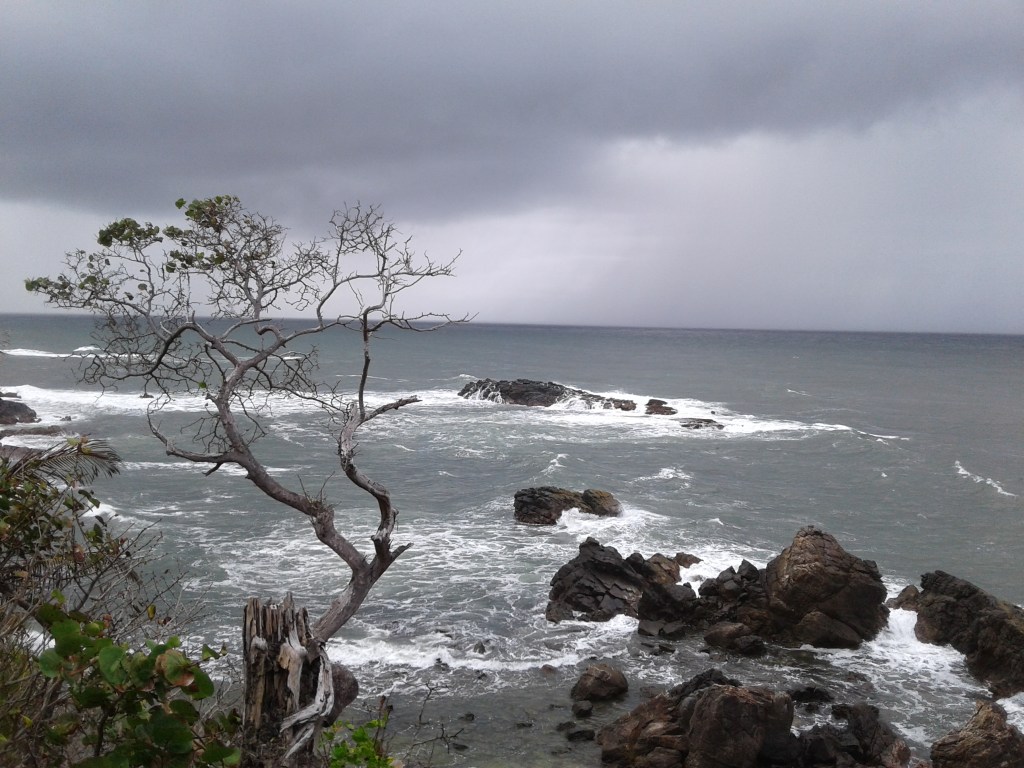
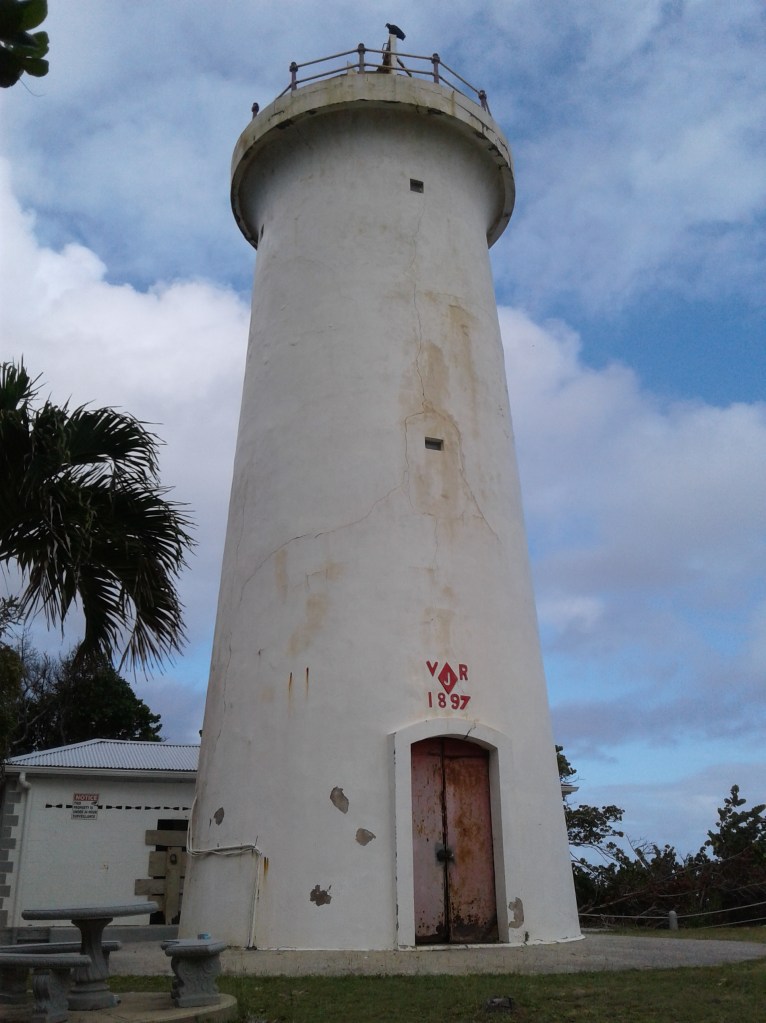
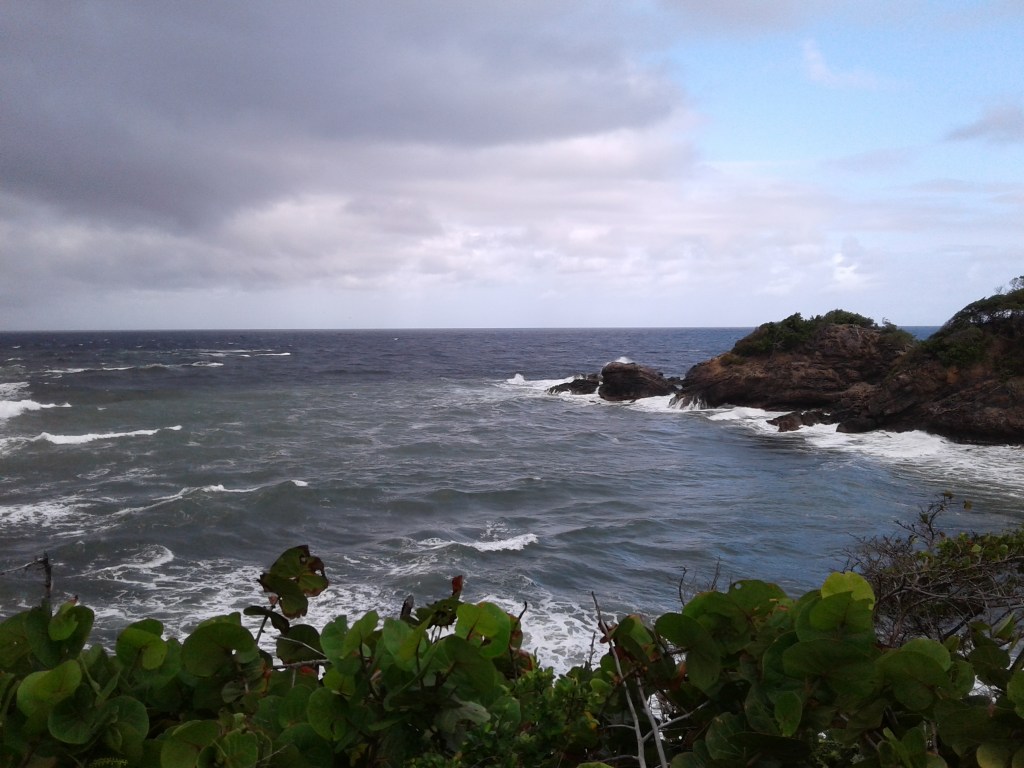
I should also not conceal that I have heavily engaged in tourism. After all, I will soon be gone. And I now think of myself as a scholar tourist. New identity, try it. For instance, I went on a fantastic trip to the north-east of Trinidad, to a village called Grande Riviere. It was wonderful and took quite long because this part of the country, around Toco, where the Atlantic and the Caribbean Sea meet, is rather isolated. The road is narrow and curvy (what else is new). I learned that the first road to Toco was not built until 1930. Before that, Toco had a closer relationship to Tobago, which is 35 kilometers away, than to the rest of the island. The one connection was the so-called round island steamer (running between 1818 and 1928) that surrounded Trinidad once per week and brought in goods. Here you see the view from Galera Point, that is the north-eastern most tip of the island where the British built a light house (in 1897).  

My plan is to write two or three more posts before I leave, or in the days shortly thereafter. Today’s post is about some admirable Trinbagonians. There are several, but they are often not very well known outside of the region or the beyond the Caribbean diaspora, so perhaps this is interesting for you.

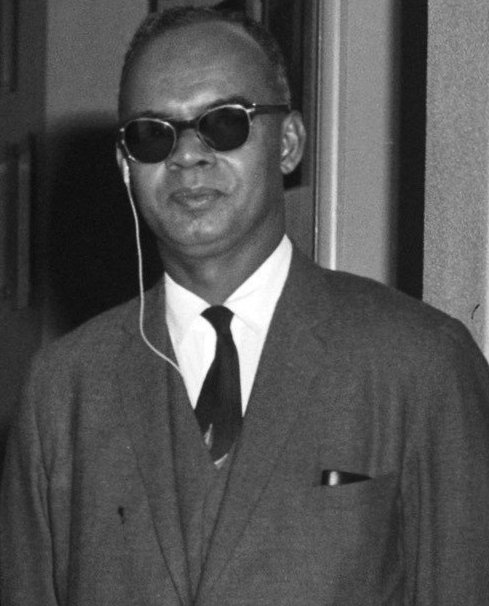
Let me start with someone I have often mentioned: the first Prime Minister of the country, Eric Williams.

Eric E. Williams

Here is a clip of him speaking at Independence Day 1962 on the meaning of democracy – I find it impressive https://www.youtube.com/watch?v=uPMTtiZEyTs

A bit of contextualization: The political system is British influenced hence the Prime Minister is head of government. There is also a head of state: during colonial times, that was the British monarch, represented by a governor. After independence, T&T retained the Queen as titular head of state, then represented by a Governor General, but in 1976, Trinidad became a Republic and ended that connection. Head of state was henceforth the President. The country has had six, the current one being a woman, Paula-Mae Weekes.  

As for Prime Ministers, there have been seven. One of them was also a woman, I mentioned her before, Kamla Persad-Bissessar. However, Eric Williams is a true standout. He led the country from independence in 1962 until his death in 1981. I read a wonderful piece about him written by Patricia Mohammed (titled “A Very Public Private Man: Sketches in a Biography of Eric Eustace Williams”), a fantastic feminist scholar whom I also had the pleasure to interview recently. When Williams died in 1981, people were in shock. It must have been hard to believe that he could be gone, given his long, steady, and responsible service to the country. For a change, the man was not corrupt, and while he was also not without fault, I wish every country, whether newly independent or not, a leader like him. His public persona is towering, and he is often referred to as father of the nation.

In Mohammed’s piece, she looks at him as both a public and a private figure. Eric Williams was born in 1911, the oldest of 12 children into a middle-class family. He was very intelligent, went to study at Queen’s Royal College which was (and still is) the most prestigious high school for boys. For his father, it was very important that he excelled (in a way, to fulfill the dreams that he had had for his own life but was denied access to). Indeed, Williams won THE (one) island scholarship of his year to go to college in the UK. He set on studying history at Oxford University, to the great dismay of his father who wanted him to be a doctor.  

In 1938 he completed his dissertation at Oxford. It was later published under the title “Capitalism and Slavery” and was path breaking in the sense that he offered an economic history of capitalism that made slavery its core element. In his view, sugar plantations were at the center of 17th/ 18th century capitalism, and they required slave labor (that is low cost, exploitable labor). Because of this requirement, capitalism created the necessity to see some humans as property, and the corresponding construction of racial inferiority. Hence, racism was, for him, the consequence, not the cause, of slavery. Later, he argued, West Indian sugar plantations fell out of capitalism’s favor. The sugar produced was not anymore profitable on the world market, which is the true reason for the end of slavery, not abolitionism. The British did not like this argument – on the one hand, because they did not look as humanistic as they would have liked, on the other, because Williams was among the first thinkers to write with Caribbean, not European experiences at the center of his attention. Accordingly, when he first wanted to publish this work, nobody saw it as a “general” book about capitalism, but rather one about the Caribbean – in other words, a less relevant, peripheral account.

He moved to the United States and taught at Howard University for several years before he went back to Trinidad, where he quickly made a name of himself. His experiences in Britain (in short: of racism) certainly were fuel for his scholarship, but even more so, for his political career which was so deeply infused by his broad historical knowledge. His life goal: to work for the self-determination of Caribbean people.  

According to Mohammed, he was a brilliant academic who built leadership for his country through intellectual analysis. He was a good public speaker and regularly toured the country to give lectures that were attended by many people. When he started to build a political movement in the 1950s, he benefitted from labor organizers before him who had created political consciousness starting in the 1930s. Williams was not a working-class guy, and while he bent over backwards to get in touch with ordinary people, his radicalness was not about being associated with the fights of unions, but rather to bring together all the interests that needed to be addressed in order to lead the country to independence.

Hence, the movement/ party he built – the People’s National Movement, to this day one of the dominant political parties – was supposed to represent the entire nation. This did not fully work out, as many Indo-Trinidadians did not feel represented by the PNM and built their own party. But it is still stunning, for me at least, how this intellectual guy could lead a population that only started to get politically sensitized into independence.

Woodford Square

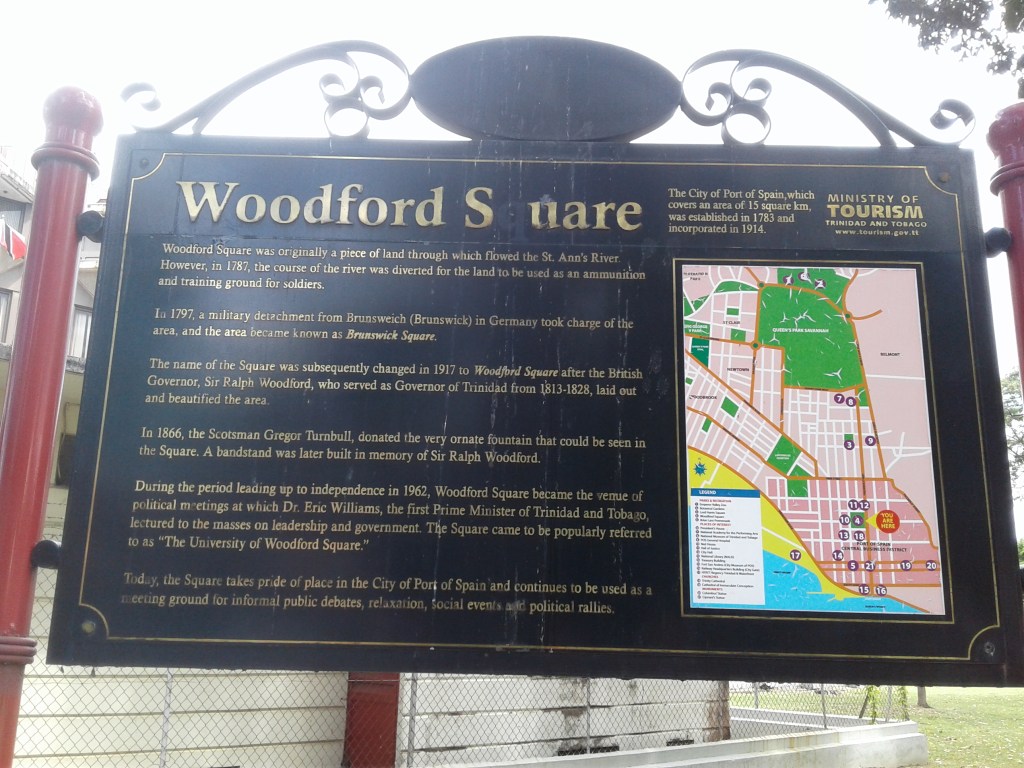
He used one central square in Port of Spain, Woodford Square, for regular educational public lectures – it was then re-named “Woodford University”. One of his most famous speeches was named Massa Day Done – in short, the days of the reckless, self-centered plantation owner is over and we, the people of Trinidad and Tobago, take our fate in our own hands. Worth reading!

He did a lot of good during his time as Prime Minister, starting from offering accessible higher education and creating a robust health care system. But his star lost some luster in the 1970s, partly due to the protests of the Black Power movement which demanded more change and better living conditions for all. Williams felt misjudged and wanted to leave public office during the 70s, but somehow there was nobody apt to replace him. He became more withdrawn and died alone at home in 1981.

As for his private life, he was married twice, but was not very much in touch with his first family which remained in the United States. With his second wife, he had one daughter. Because his wife died early, he raised his daughter as a single father, while being Prime minister. We all know that most of the raising was done by other people, but it is still a remarkable constellation. His daughter Erika has worked diligently to keep alive her father’s legacy. The Alma Jordan Library at the UWI has a small museum about him, put together with her help, that I had the honor to visit. Part of it is his desk and study recreated. To George: it reminded me A LOT of your study. No further comment.

Charlisle Chang

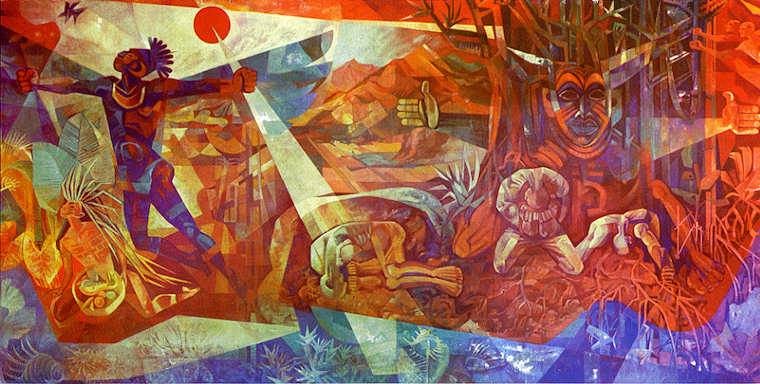
The other two personalities will have to do with a shorter introduction: Here is Carlisle Chang (1921-2001), an important Trini artist in different mediums, including murals, paintings, ceramics, and Carnival costumes and scenes. On a visit to the national museum, my eye caught a photo of a mural of his called “The inherent nobility of man”. You can see it here.

The inherent nobility of man

I love its colors, energy and symbolism and wanted to find out more about it. He did it in 1962 in the international airport. I think it is quite a statement for a young, independent nation, and of course, everybody who comes to visit sees it right away. Chang was generally important as an artist who contributed much to the creation of a Trinidadian culture that is proud of its many influences. Himself of Chinese descent, he says in one interview I watched that he always thought of him as Trinidadian and nothing else. Somewhat mysteriously and sadly, the mural at the airport was demolished in 1979 when the airport was expanded. It remains unclear why that was done, but Chang was certainly not consulted. From my point of view, this is an irreparable loss.  

And finally, my third person for you: Calypso Rose!

Calypso Rose

I have not written about Calypso, mostly because I don’t know very much about it, but it seems fair to say that it is a musical and lyrical tradition in Trinidad and Tobago that is the backbone of society. It originated in the 19th century, and apart from the rhythmic music itself, the point is to get a message out. In colonial times, it was one tool to criticize politics (and was censured for that), and to this day, famous calypsonians address important current issues and reach a wide audience with their messages. Most calypsonians were/ are men. The most iconic one is called Mighty Sparrow – he even has a statue in Port of Spain. The genre was also carried around the world – I knew it as a child (without knowing its name, I should say) performed by Harry Belafonte.

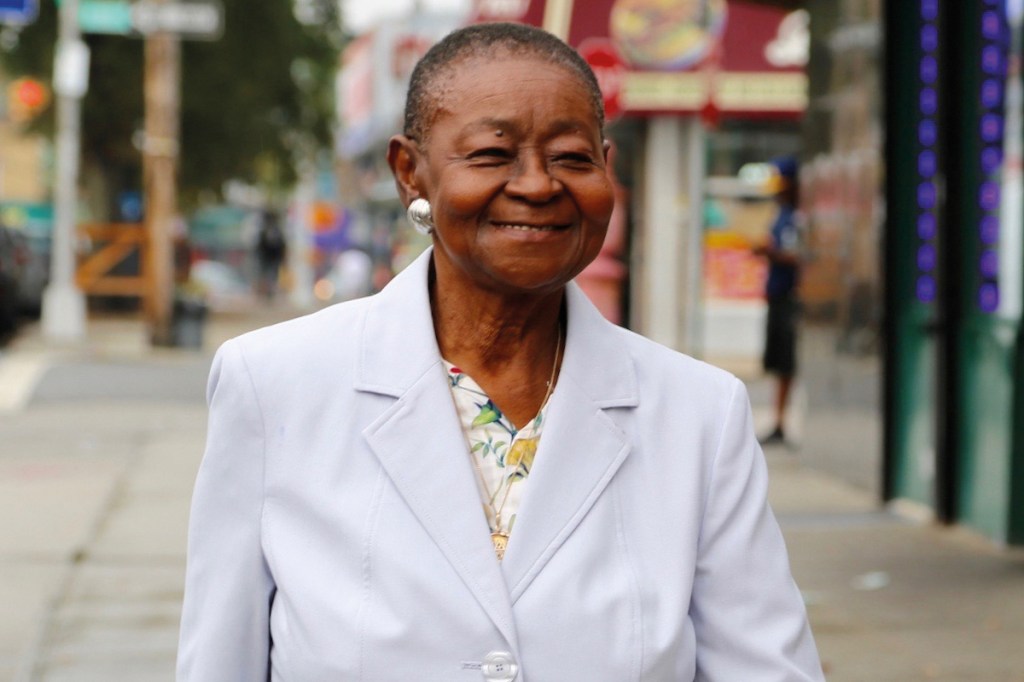
Into this male-dominated space enters Calypso Rose, born in 1940 as Rose McCartha Linda Sandy Lewis in a small village in Tobago. She starts composing and singing very young – according to her website, she has a song as early as 1955 which is the first calypso song to denounce inequality between the sexes. (Check out the website, it is very informative! http://www.calypso-rose.com/) In the 1970s, she becomes Calypso queen – a big title! And eventually, because of her fame and popularity, the title of “Calypso King” is changed into the “Calypso Monarch”. Before her, it was apparently not conceivable that a woman could win it, but these times were over by 1978. You will not be surprised to hear that I love this woman!

I leave you with two clips: Check her out her iconic song “Calypso queen” https://www.youtube.com/watch?v=l-j-tPbOfYQ

And here, in her “Leave meh alone” you also get some impressions of what Trini Carnival looks like https://www.youtube.com/watch?v=KQ0otZhMXTk

Blue and yellow, callaloo and tippi tambo – thoughts on food and peace

Blue and yellow Trinidad

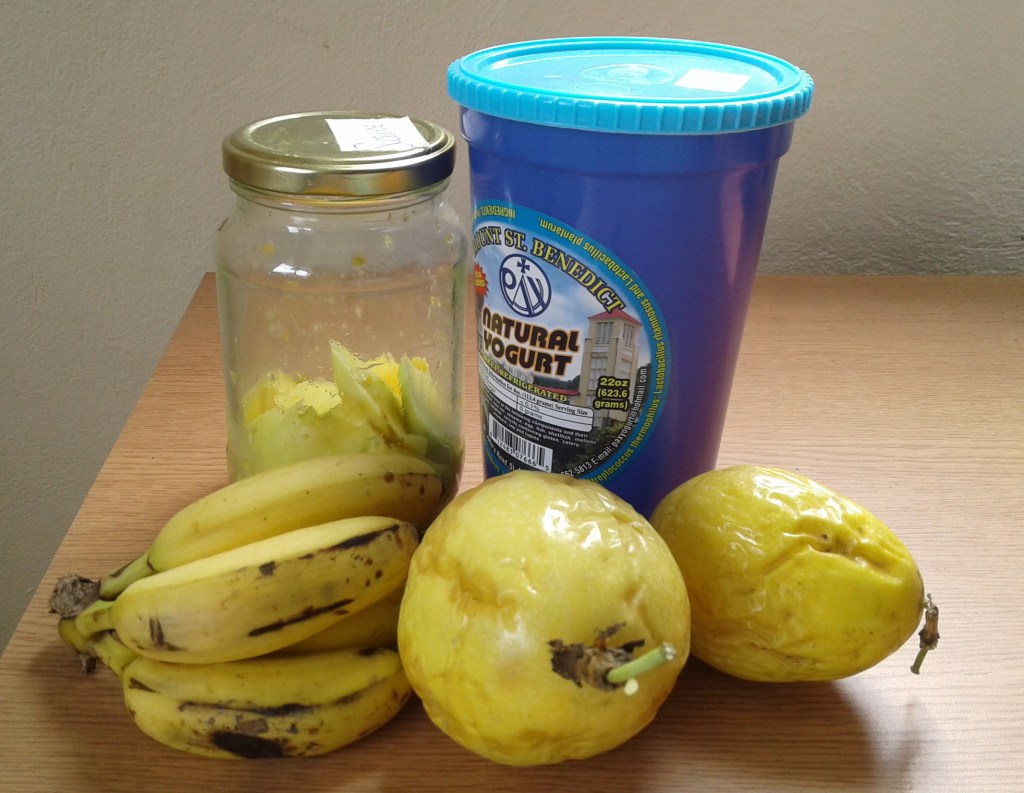
When I was savoring my weekend breakfast, my gaze fell on a little arrangement on the table: a glass container with mango marinated in pepper sauce (my creation but modeled after what is called “chow” here, a way of marinating fruit of your choice in savory/ spicy ingredients), a couple of baby bananas – also called chiquito fig, very nice and sweet – and two passion fruits. You probably have all had passion fruit in juice form, but did you know what the fruit looks like? Very unassuming yellow balls. They are also really light because there is not much inside. In any case, I look at this still life in yellow and am reminded of the blue and yellow initiative I wrote to you about recently (https://blue-and-yellow.de/ ) that posts photos with these two colors taken in solidarity with Ukraine. I have walked through the streets here thinking about this color frame, and now I was reminded of it again.

I had the yellow, but what could be the blue? I found the blue yoghurt container in which the monks of the Benedictine monastery up the road sell their yoghurt. This yoghurt is sold in local supermarkets and is excellent. Recently, a lady who knows things about this monastery told me that the monks are getting really old, and there are fewer of them than before – no younger monks are joining them. The yoghurt is one of their sources of income. I really hope they are holding up. It would be such a shame if that monastery would have to close. In any case, let me know what you think of my photo (I sent it to the website, and it is now posted there! Perhaps you also want to get creative and/ or donate some money – it goes to UNHCR).

Let me say a few things about Trini food. Considering that food is the basis of all life, making and sharing food is perhaps the most peaceful thing one can do. And don’t we all need a reminder that there are not only seeds of war, but also of peace, CONSTANTLY present in humanity.

Climatically, Miami is not very far away from Trinidad, but I have seen many fruits and vegetables here that are unknown to me. A few weeks after my arrival, I found an organization called the Alliance of Rural Communities (ARC). Really cool people. They grow organic produce in two sites (Brasso Seco and Grand Riviere – I hope to visit the latter soon!), and they specialize in chocolate making, meaning they grow the cocoa beans AND make the chocolate. This might not sound special to you, but it is. Typically, chocolate production implies a long chain of steps that the countries in which the cocoa is grown don’t have much to do with. Classical colonial division of labor, in the sense that the raw material is produced where the climate allows; in the case of cocoa, a labor-intensive process of getting the beans out of the pods then follows; and then, they are shipped away to where the “surplus value” is added to the beans, or in other words, where the profits are made. The two ARC cooperatives in Brasso Seco and Grand Riviere make the chocolate on site – you can also get a tour which is called “from bean to bar”. I talked to one woman who leads this effort, and she has created a network of cocoa growers in several Caribbean and African countries. They meet on zoom, exchange practices, and taste their respective chocolates. She told me that many of these people are the FIRST ones in their countries to actually make the chocolate bars. It is hard – there is no infrastructure; the market is difficult to navigate for sure, given the competition from giants like Nestle. But they are trying to do this, and in Trinidad, the conditions seem to be a bit better for doing it than elsewhere. I bought some of their chocolate (see one bar on the photo below). It tastes GREAT, even if really different from the chocolate that I am used to.

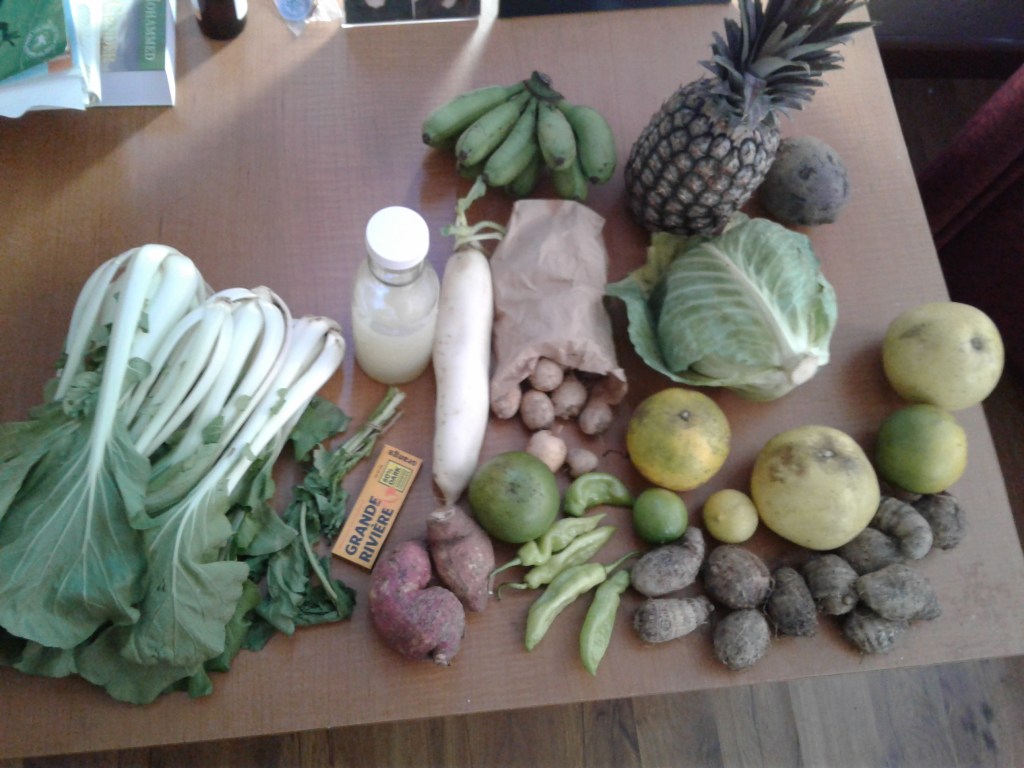
ARC grows other products as well, and you can order them online. Once a week, they bring all of this to town, luckily in walking distance from where I live. I usually order a “small box” – CSA (community supported agriculture, as it is called in the US) customers know the logic: you get what is currently harvested rather than what you particularly want. That brings the price down somewhat and gives the farmer stability. When I go and pick up my produce, I always have a nice chat with whomever is at the Café where the produce is delivered, and I always ask what is what. Here, for example, on this photo of the content of my first purchase

Locally and organically grown bounty!

you probably see a lot of things that you know – pineapple, baby bananas, cabbage, bok choy, grapefruit, etc. But the small brown things in the paper bag? They are called tippi tambo and are roots. There are MANY roots here, aka “ground provisions”. On the photo, there are sweet potatoes that fall into that category (the red tubers next to the chocolate bar) and the brown ones on the right are called eddoes. They taste a little nutty – yummy.

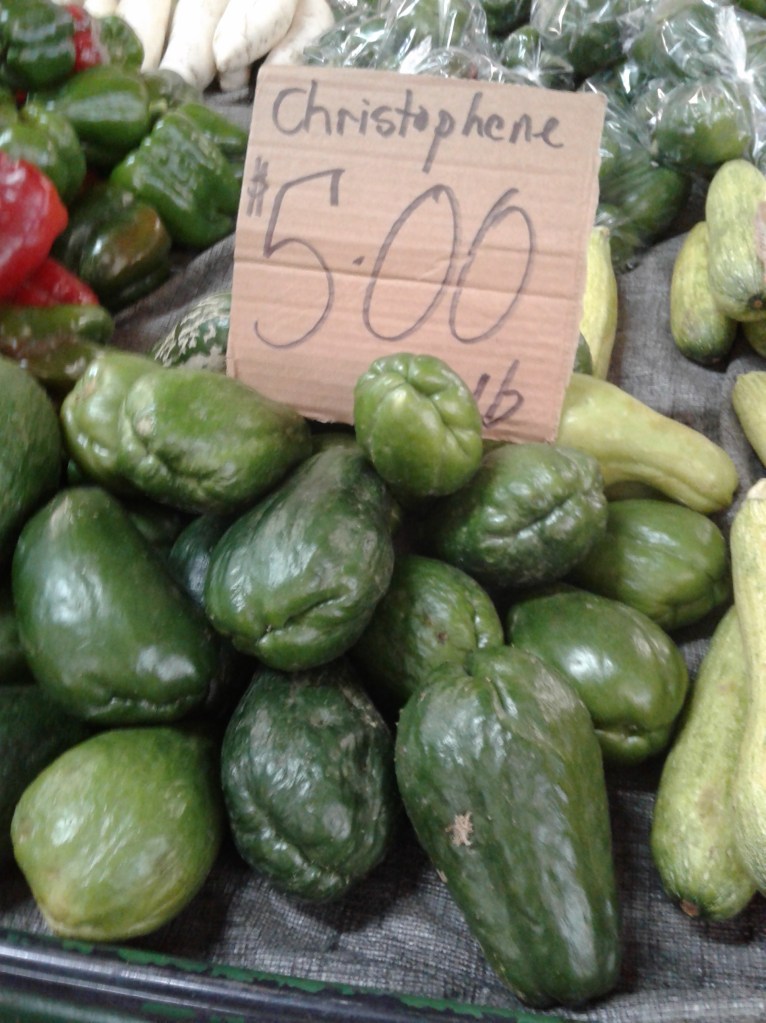
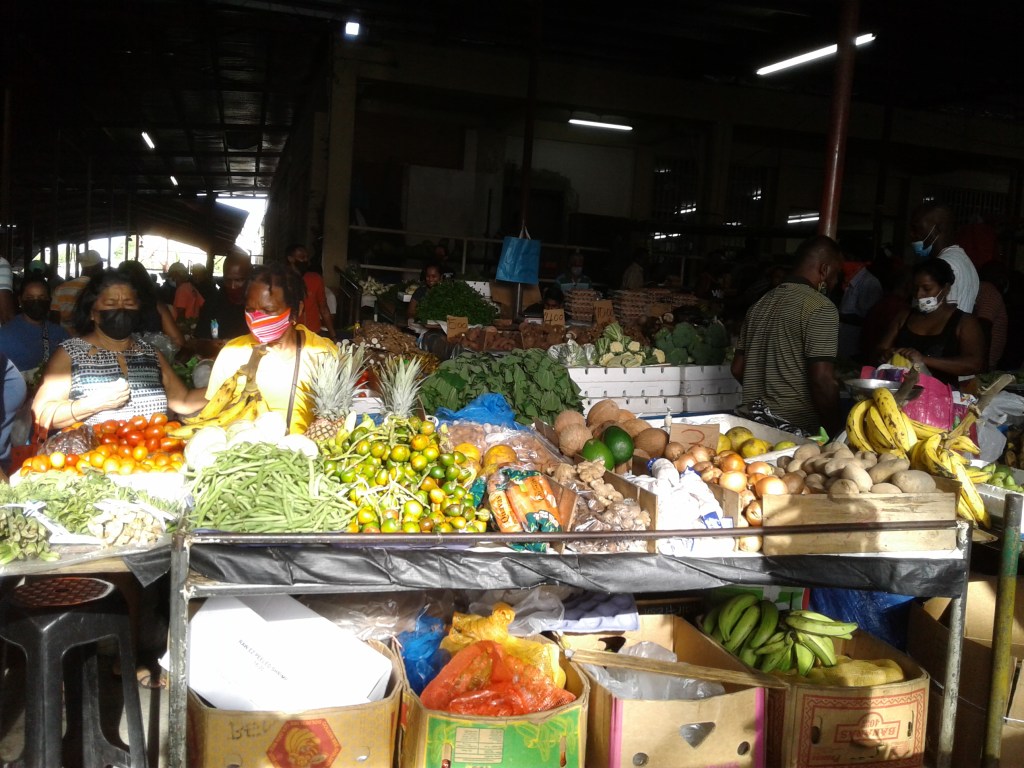
I also learned about this vegetable – Christophene (photo taken at the market). It is very mild and good in taking on all kinds of tastes; a bit like zucchini, perhaps.   

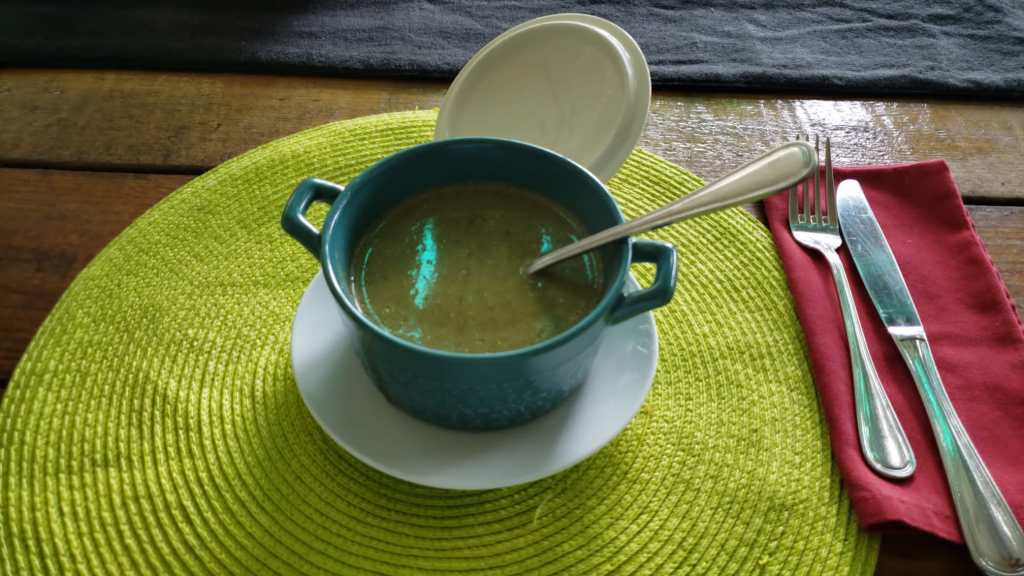
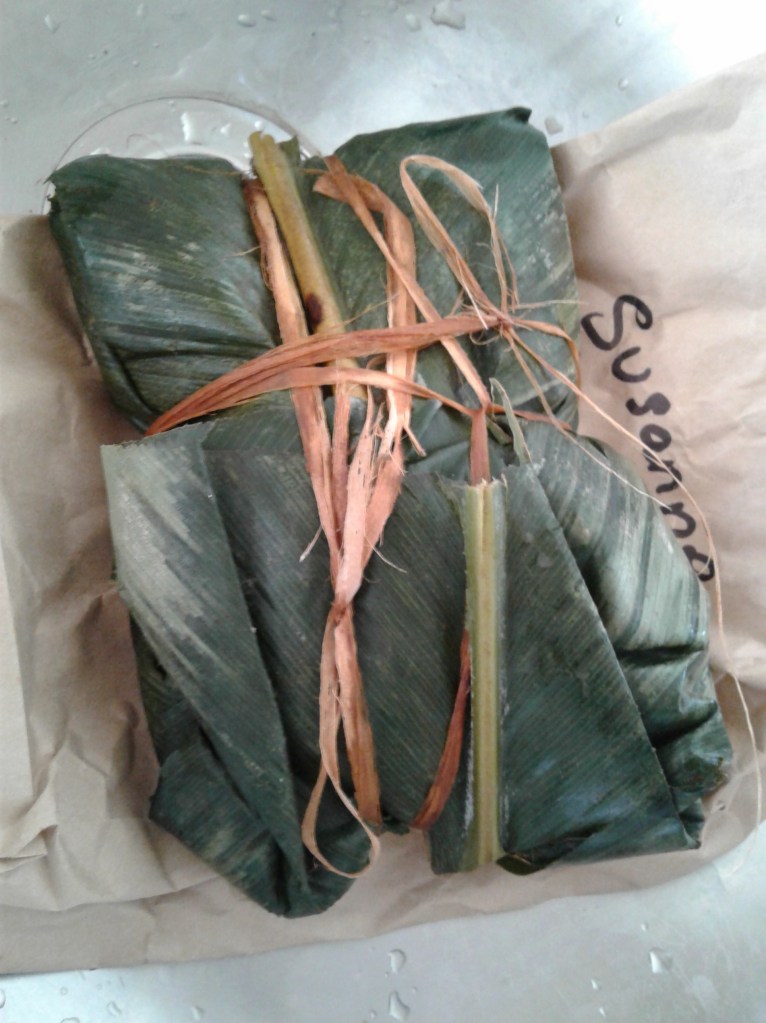
What I often do is order some additional things that they prepare, for example, callaloo soup, based on the leaves of the dasheen bush (similar to taro in Hawai’i; the roots can also be eaten – this super food has been an important component of Caribbean diets over time). ARC also has home-made ginger beer (love it) and once I also got myself a portion of veggie stir fry which was nicely packaged in a banana leaf. ARC also pride themselves in NOT using plastic wrappings. Totally my taste!   

There are many indigenous plants, and of course history also creates particular pathways for how people feed themselves. For example, I learned that the Spanish in their early years here wanted to cultivate wheat, but it did not grow. Bummer. Rice is a staple food that first had a tradition as wild (red) rice in the south of the island where it was grown by Amerindians. Later, in the 19th century, the indentured laborers from India brought their rice-based diet with them and added large scale rice cultivation to the foods that were already consumed.

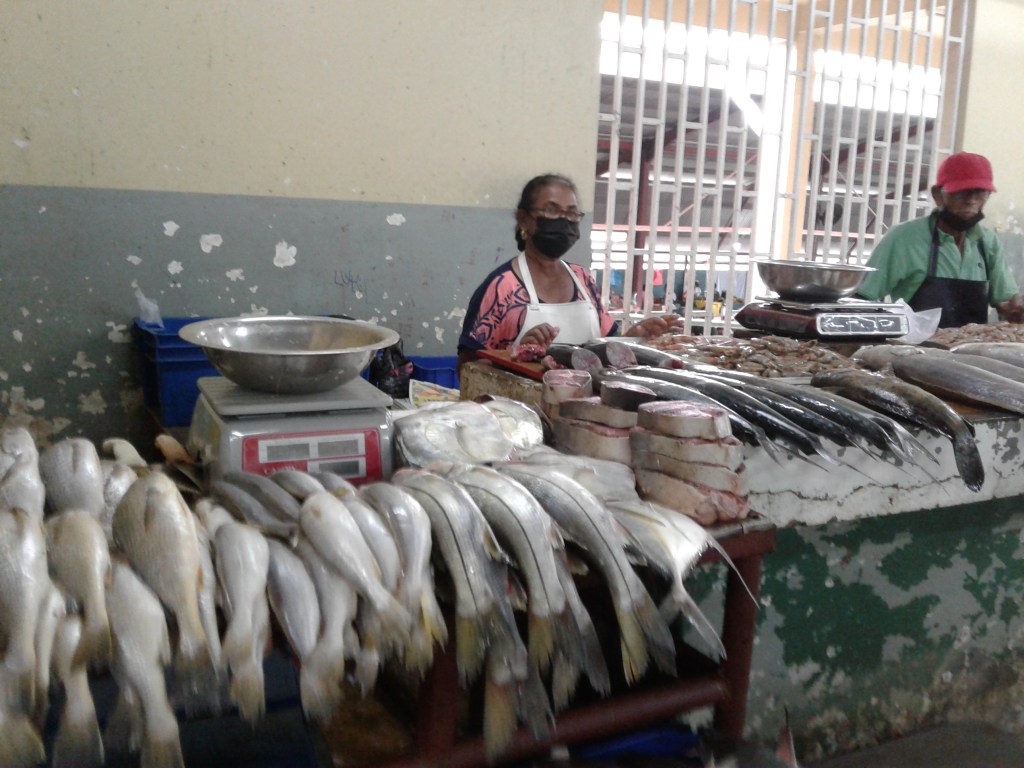
Slavery – if you recall, a bit less relevant for everything in Trinidad than in other Caribbean islands, because it did not last as long – also influenced diet. Eric Williams and also Sidney Mintz write about that. In order to feed the enslaved their owners a) allowed them to work little plots of land for their own consumption (so, extra work for them, but also improvement of diet and some independence, because they could sell produce; and reduced feeding responsibility for the owners) and b) provided the cheapest food sources that still enabled the hard physical labor. One of the ingredients was dried/ salted cod fish from Newfoundland. It feels like this must have been expensive because so far away (and how about fish from right around the island??). However, it fitted well into the transatlantic triangular trade at the time, because a) salted fish was already used to feed sailors and b) there was an intense transatlantic fishery economy, I think of mostly Portuguese fishermen, who went to Newfoundland and brought the fish back to Europe.  Because the fish up there was abundant. One consequence of this is that to this day, salted cod fish is important in Caribbean cuisine.

There were other ways for protein intake as well. My friend Deborah took me out one Saturday evening to try souse. It is very popular street food made from chicken or pig feet, marinated with cucumbers in lime juice, onion, and peppers. You do not want to see a photo of it – I had chicken feet, and they looked like they had been in that marinate for a long time … grey-ish, a bit like gum. I tried it, and while it did not taste bad, it was really hard to get used to the rubbery texture. Deborah said that the origin of this dish lies in times of slavery when people ate anything they could make digestible.   

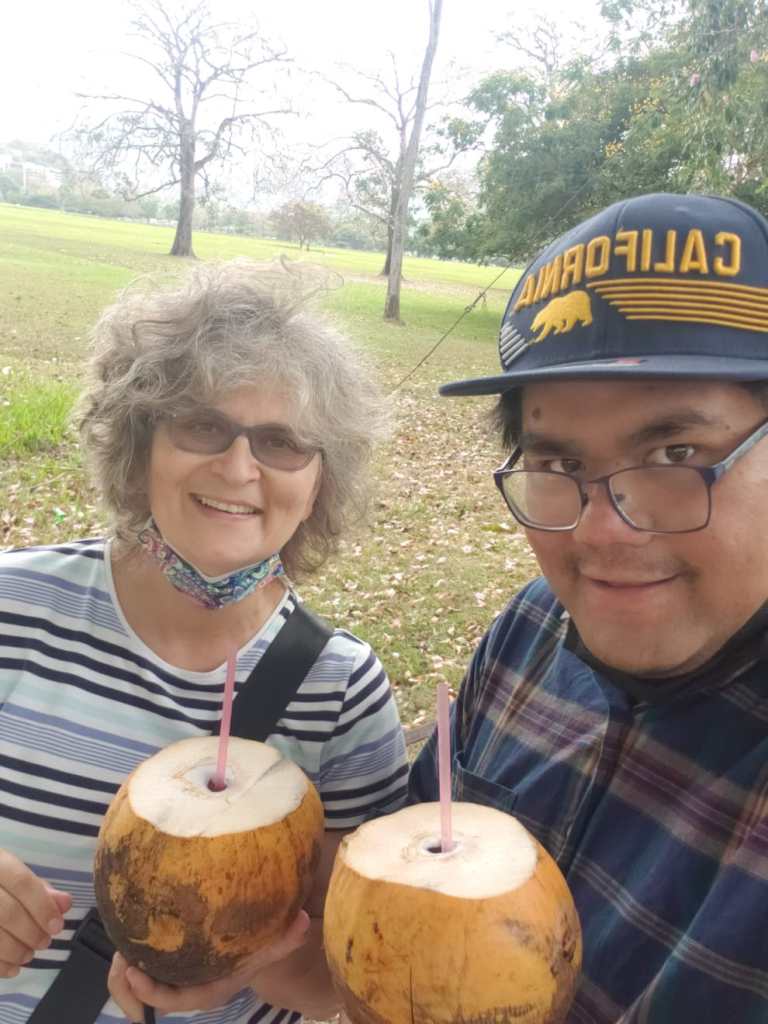
Enjoying coconut water!

Speaking of street food: there are also street drinks, in particular coconut juice which I am enjoying here with Fed, one of my Fulbright friends. The top is chopped off and you drink the water; then, you give the nut back to the vendor, and they cut it open for you so that you can eat the meat as well.       

Other strong influences in the diet come from Venezuela; for example, pastelles are a very popular dish. You may know it as tamales. It’s cornmeal filled with cooked, seasoned meat plus seasonings, then wrapped in a banana leave and steamed.  

The two most specific Trini dishes – the ones that you REALLY have to try when you are here, apart from bake and shark – are doubles and roti.

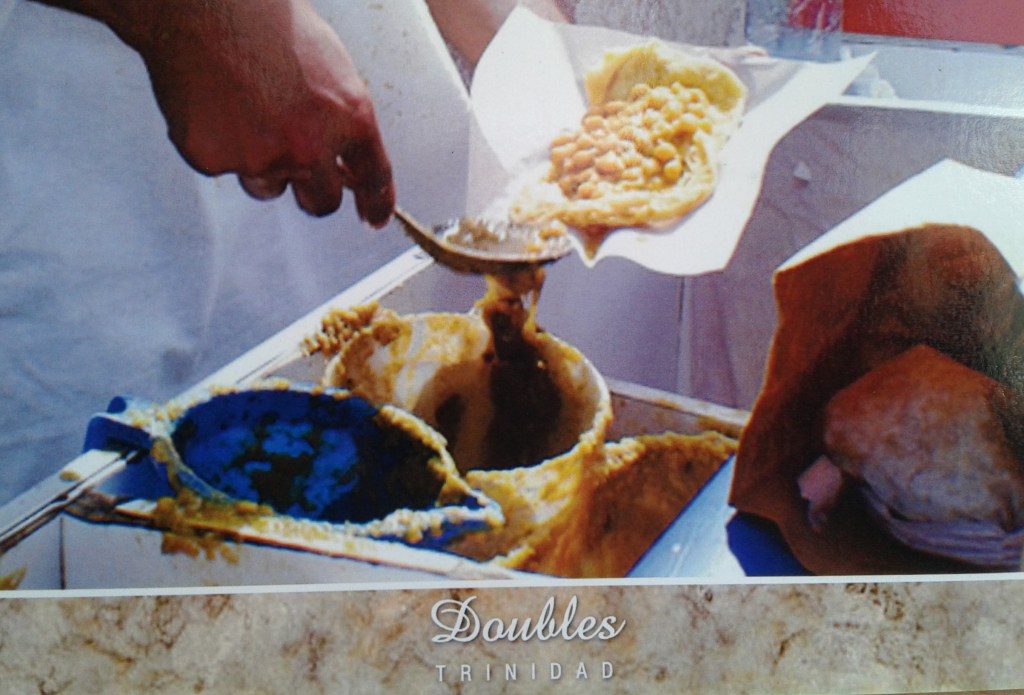
Btw, this is a postcard – very hard to find

Doubles are supposedly a breakfast dish, but people eat it all the time and they are sold in the streets like hot dogs in New York City. A double consists of two pieces of flat fried dough, curried chickpeas (they are called channa here) and come with several toppings, like tamarind, mango, cucumber and chutneys. I like it but am not crazy about it.

The second one is roti – the basis of roti is a kind of dough and there are two types (you will be lectured on this by well meaning people). One is soft and flaky, and the other one is filled with split peas. Both types of dough – they feel a bit like a large piece of fabric that is folded – are then filled, and that filling can be about anything as long as it is curried. Veggies. Meats. Chicken. Duck. Shrimp. Lobster. I find it a messy dish to eat, but I love the taste! Also, my Fulbright friend Dylan who is a Trini says “everything that walks can be curried”. You see the possibilities are endless.

In a nutshell, Trini food is GREAT, as it seems to me is always the case where many cultures and their culinary traditions mix.    

Tunapuna market on a Sunday morning

Apart from ARC, I also love to go to the local market in Tunapuna. I ask the vendors if they sell their own products or not. Sometimes they do, and sometimes, they buy. Avocados are rather pricey, I noticed, but REALLY cheap is bok choy, shallots, bananas, and peppers.

The fish vendor allowed me to take a photo of her and her amazing array of fish! I found the different kinds of fish being sold beautiful and could not bring myself to buy any. In the non-veggie part of the market, they also sell meat – I saw goat heads, pig feet, cow or pig sides … and a lot of energetic men loudly chopping whatever bloody piece of animal was on the chopping block. I think I moved a bit closer to full vegetarian again 😊.

Tourism, luxury – how much do you need and at what cost?

l live in a student residence hall pertaining to the University of the West Indies. It is the most recently built and most comfortable residence hall here. One of my Fulbright friends told me she was, during a pre-covid stay here, housed in another hall that is on-campus, and there were serious issues, including NO air conditioning which was particularly bad in the shared kitchen areas because they were heating up when everybody was cooking. Now, OUR residence hall has air conditioning in all rooms, plus fans. I am not one to cool down my room tremendously (having grown up in Germany when air conditioning was practically non-existent), but it is really nice to have that option. Of course, you can get used to tropical heat – we got a taste of that when there was an island-wide power outage several weeks ago. It came as a complete surprise, started at 1 pm and took 12 hours. That evening, the entire island was dark. For us and for a period that short, this was not terrible. We turned off our devices, gathered and had a really nice evening sharing a meal and conversations. Also, we opened the windows and were lucky to get some breeze.

The choice of cooling down was not available for people BEFORE air conditioning was invented, obviously. I once read a book written in the 1930s about possibilities of reinforcing settlements of WHITE people in the tropics (A. Grenfell Price, 1939: White Settlers in the Tropics). The focus of the book: given that white people have not done too well in terms of living permanently in the tropics – especially not when they had to do physical labor, but also because of disease and the mental strains of tropical life – what are conducive conditions for such permanent settlement? In the author’s view and at that time, this would have been a desirable development; not only because the white race needed space (Hitler was not the only one with this goal in mind), but also because if the number of white people in a given space was too small, it was feared they would be absorbed into the non-white population, which of course represented a terrible deterioration of humanity. This fear also explains the obsessive line-drawing of white elite minorities in many Caribbean islands, Trinidad included, between them and everybody else. ONE of the measures talked about in the book that would allow white people to settle in tropical climates was the advent of air conditioning. The author cites a Norwegian diplomat discussing this idea. It must have sounded rather futuristic at the time, but I can attest that the growth of Miami starting in the 1950s has had a lot to do with air conditioning. Downside: everybody is inside their cooled little space; people go out less, and talk less to each other; and yes, there is an environmental problem. A big one.

For two months, I have lived in a residence hall that is not bad, but not terribly luxurious either. Apart from that power outage, which affected everybody, we have had water and internet outages. My shower water is not getting hot at all. It is not the end of the world, but at my age I do value some comfort.

Therefore, I decided to check into the most expensive hotel on the island for just one night. The Hyatt. I had heard good things. It is at the waterfront and has a pool. Believe it or not, I yearn to swim! You would think on an island, people swim all the time, but the beaches are far and between, and I have swum only once in the ocean thus far. And once under a waterfall. As in many countries in the world, public pools do not exist. In addition to the seduction of the pool, I had also heard of a good sushi restaurant in the hotel and a nice boardwalk. So why not join the 1% for a while?    

How was this experience? Loved it. Of course, you could say this is plain decadence, even if that is a very relative thing to say. The rooms in this hotel are nice, bright and clean, but not different from any medium to upper-level hotel chain in the US or Europe. Also, I took two, long HOT showers and relished them.

Hyatt entrance hall

I first walked around on the many levels of the hotel, its restaurants, and the outdoor spaces. Everything in great shape, the place is about creating comfort and luxury for its guests to enjoy. Friendly and professional personnel. And the guests? As you could expect: the Trinbagonians here all very elegantly dressed. And you cannot help but notice: the place where I have seen the most white people during my stay on this island thus far. They were more casually dressed than the locals. There were some white couples; if individuals, these were all male and a bit older (I assume business travelers of some kind); I saw no other single white woman – and also no other women, now that I think of it, by themselves.

At the boardwalk
Boardwalk, view in the other direction

The pool is really nicely placed, so that when you are in it, you feel as if you were swimming in the ocean. However, it is also small and less for swimming and more for floating. I first went in the afternoon, there was music, people were hanging out and drinking cocktails. There were some families – always nice to get the kids in the pool; people taking sun baths; also, one couple that gave me a bit of a drug-lord-plus-arm-candy vibe. But that might be my prejudices. Let’s just say they wanted to be seen.

When this thought crossed my mind, I was reminded of the many potential stories that might be behind the wealth necessary to be a guest here. Many of them are “innocent”, but still part of a geopolitical landscape. Myself – I can be here without being anything special in my home country, but the economic superiority of that country makes the pleasures here easily affordable (at least for one night). Also, when I observed a white middle-aged couple this morning at the pool, I thought that they looked like a very ordinary German/ Dutch/ British … you name it, couple, but here, they represent, to use that phrase from an earlier blog post, a “wealthier exterior”.

People “like us”, we have the option to come here and have fun. Perhaps you remember that in my first post, I talked about how middle aged, white, women are stereotyped as sex tourists in some places in the Caribbean. This got me interested and I read up a bit on sex work/ sex tourism. The eminent authority on sex work in the Caribbean is Kamala Kempadoo. Check her out, she does fantastic work. I specifically looked at an old article of hers (2001) which summarizes the findings of the first multi-country study on sex work in the region: “Freelancers, temporary wives and beach-boys: Researching sex work in the Caribbean” in Feminist Review.  

Here, I just want to share a couple of her findings. First, sex work is a phenomenon with blurry lines (for those who think mainly “sex trafficking” and draw a line of moral evil around it – this article provides a completely different perspective with a focus on work and economic dependence). Importantly, clients and workers describe it differently. Female clients, for example, often talk about “romance tourism” when describing their encounters – perhaps because this sounds less predatory and more mutual (aren’t two involved in a romance?). The clients, male and female, always state that economic support is a relevant part of what is going on, yet their main interest is entertainment. The sex workers talk more about the economic dimension, but they also point out that for them, economic safety is part of ANY partner/sexual relationship.

Secondly, we know that gender hierarchies play a role in sex work, but next to that, there is the geopolitical hierarchy between wealthy and poor countries. The sex tourists (and all tourists) come with money and accordingly, their view defines the situation. They want to have fun and don’t think what is going on is “sex tourism”, but rather something more voluntary and based on mutual benefit. They come for leisure and see the Caribbean as their exotic playground. The exotic part fosters certain sexual phantasies and assumptions about more uninhibited sexual practices “on the island” than at home. The workers, on the other hand, do get something out of the work – a living, and sometimes a better one than they could otherwise make. But the point is that in the encounter of Caribbean sex workers and wealthy global Northerners – the pleasures of the latter reign. And since the entire Caribbean economically depends on tourism, they have pushed a kind of development that, just as during colonial times, satisfies external demands. Cruise ship tourism is another example. Not much wealth stays in the region, but massive ecological damage does. But: the clients are happy.

That was a heavy load. All of this is true, but I fear some of you might think I am making it hard for myself (and y’all) to simply enjoy a vacation. I hear you. This morning when I went to the pool, I did some back strokes while enjoying the blue sky dotted with white clouds. I really felt happy and relaxed and was reminded of my mother, who regularly indulged herself with a good vacation. In her daily life, she was hard-working, consistently providing for her family while also earning money. She was also very frugal. But when she went on a vacation, she wanted a nice hotel, good service, good food, just an all-around care-free experience. And for that, she paid. In a context where all of those who WORK to create such an experience are paid fairly and treated with respect, I think that is a worthwhile endeavor.   

Where does the pool end …?

Snapshots of beauty, indentureship, and Hindu temples

Green balloon tree?

I continue to see a lot of things here that I haven’t seen before. Here are two: can you help me with these green balloon tree fruits? And what is this bubbly-looking cucumber – actually, I was told the name, because a woman at the market explained to me what it was, that it has a bitter “acquired” taste (nothing like a cucumber) and gave me one so that I could try it out.

“Bubbly bitter cucumber”

This is my second post since the war of Russia against Ukraine started. I know that some of you in Germany in particular are directly helping refugees, by hosting them, working with them, and supporting them in a variety of ways. I applaud you! And want to share a great initiative that Rita pointed out to me: https://blue-and-yellow.de/galerie-gallery.html – it helps through photo art and you can contribute with photos or donations.  

In the meantime, I have seen new parts of the island of Trinidad (not yet Tobago, but I hope this will be happening in the future). I took a tour along the North Coast Road – that was wonderful. I am probably repeating myself, but the landscape is breathtaking. Very mountainous, with steep inclines and lush vegetation. There is ONE road along the north coast, and it feels like a tiny road, because it is very narrow, with a lot of extreme curves; when another car approaches, it feels like there is not enough space (of course only to me, because I am used to other street sizes). This road, my guide told me, was actually expanded and modernized by the United States during the time they had a base here – to “give back”, so to say, for the right to be there. They set up camp during WWII to help Britain against the German submarines in the Caribbean. One never ceases to learn about how things hang together. Of course, they did not leave when the war was over – that took a bit more public “nudging” as you can read in more detail here, if you like: http://www.triniview.com/Carenage-Chaguaramas/Chaguaramas2.html

Blanchisseuse Spring Bridge

This is the end of the paved North Coast Road. Beyond this bridge – the Blanchisseuse Spring Bridge – it gets rough. But also, great hiking trails!  

Along the North Coast, there are several great beaches. The most popular, also because closest to Port of Spain, is Maracas – that is where you can eat the famous bake and shark (a delicious sandwich with – fried SHARK!).

Even this beach is a relatively small and undeveloped beach. Tourism is not a big part of the Trini economy (except in Tobago), also because the ocean is rough and has sometimes dangerous undercurrents. Maracas is mostly frequented by locals, and can get really crowded on the weekends.

In general, its natural beauty is preserved, and that is even more true for the beaches a little further down the North Coast Road such as Las Cuevas and Yarra Beach.

Las Cuevas beach

Yarra beach and river Yarra

I also went “hiking” to a waterfall. I am sorry that I don’t have photos of that experience because it was exceptional. The hike was not very long. It started in very muddy terrain, and eventually, we had to swim through the river to get to the fall – that is why I could not bring my phone (I don’t have a waterproof case for it). My first swim-hike! The fall, Avocat waterfall, was like a spot in paradise. A pool forms underneath it in which you can swim, and when I did, the sun came out and transported me into a different world. Perhaps good I did not have a camera – it would have been impossible to capture that beauty.   

I wanted to continue with some history and combine that with photos from another excursion toward the central part of Trinidad, where the Indian Trinidadian population lives. Remember that in 1838, enslaved people were “emancipated”. But the plantation owners still needed cheap labor to make profits. Eric Williams writes interestingly about the West Indian planters’ inability to make their operations more cost effective through modernization. They basically very loudly complained to the Crown and got a lot of support to keep doing what they had done before. Which was: exploiting people as much as possible and getting rich off of it. The emancipated former slaves were supposed to stay on the plantations as wage laborers, but most of them left and came back to work only sporadically (when they WANTED), which was not to the liking of the plantation owners. In response, all kinds of schemes were undertaken to help the planters get cheap labor through immigration. The first attempts didn’t work, mostly because the people who came to Trinidad were not the kind of laborers that the plantations required – in other words, they were not numerous enough and could not be exploited sufficiently. Among these immigrants were people from the neighboring islands; freed slaves from Spanish/ French slave ships that did not oblige to the ban of the slave trade (the British captured these ships, freed the slaves, and then convinced them to come to British colonies); even some Europeans and Chinese workers. But finally, eyes were set on a thus far untapped “resource” within the British empire: workers from India. While they were far away and the passage was expensive (the planters only had to pay a part of this cost), they were abundant in numbers, assumed to be adjustable to the climate, and of course: they were brown, the kind of humans that from the European point of view could be shifted around like any other means of production.  

Statue by the Temple in the Sea

In the 1840s, a massive import of Indian workers ensues. On the photo, you see underneath the statue (the person honored is the gentleman who started building the Temple in the Sea, more on that below) an inscription pointing to “Indian arrival” in 1845. In retrospect – this statue was erected in 1995, to commemorate the 150th anniversary of that arrival -, it might be appropriate to use such a neutral term, because today, Indo-Trinidadians are fully “mainstreamed”, so to say, into Trinidadian society. However, at the time, Indian workers came to Trinidad through indentureship. They had to work for several years to pay their debt off, and then some more for their return passage or, alternatively, because organizing these returns was getting too expensive, for getting some land.

I don’t have enough knowledge to adequately describe what this massive population transfer has done to both the people transferred and to the island society. However, just a few points (my source is, as in the previous history post, Bridget Brereton): first, indentureship was ended in 1917, and by then, almost 150,000 Indians had been brought to Trinidad, representing about 40% of the population. A very significant part. As in other guest worker schemes (looking at Germany in the 1950s here), the assumption was first that people would return home when they were no longer needed, but that did not happen as expected. Second, indentured Indian workers were treated about as badly as slaves before them. They lived under terribly crowed housing conditions on the estates; the labor was gruesome, and because the plantation owners were not all too concerned about their health, many suffered from diseases and died early. The workers who came were mostly male, about 80%, but that meant that Indian women also came. They typically had to do labor as hard as men but were paid less (once they were actually paid). Third, for a very long time and beyond indentureship, Indians in Trinidad formed their own collective and did not mix with anybody else. This was partly because they were seen as a separate entity by the Creole society (consisting of white, colored, and black Trinidadians – the kind of society that slavery produces). Remember that this Creole society was brutally hierarchical, but everybody within that hierarchy, no matter what status, considered the Indians the lowest of all. Fourth, it was possible for the Indians to remain separate because Indian men did not intermarry with non-Indian women. Some indentured workers came as married couples, but many women also came on their own, and they were, as you can imagine, in high demand. This produced an interesting dynamic, because the women could leave a partner and easily find a new one; or stay in a marriage and have affairs outside of it. However, under the gruesome conditions, this did not only mean “choice” for the women, but also led to a lot of violence, including frequent wife killings by desperate/ abandoned husbands.

The 20th century brought many drastic changes for Trinidad and Tobago, in particular, the discovery of oil and a complete economic transformation away from agriculture; the rise of organized labor, which is the starting point of political organizing and of a truly emancipated collective identity – about 100 years after emancipation on paper; and finally, the creation of an inclusive nationalist identity that leads to independence from the United Kingdom in 1962.

I will not go there today; it is too much, as fascinating as it is. Let me just say that within this mix, the Indo-Trinidadians have steadily expanded their societal standing. I have heard often that they are still not politically as well represented as the Afro-Trinidadians. This makes sense if one considers that PNM (the People’s National Movement), the party created by Eric Williams that led the country into independence and then was in power the first three decades afterward, drew much more strongly on the Afro-Trinidadian population. However, Indian political representation has caught up. From 2010 to 2015, Trinidad and Tobago even had their first female Prime Minister of Indian descent, Kamla Persad-Bissessar. She is currently leader of the opposition, and you don’t want to mess with her. Beyond politics, Indian influences are integrated and powerful in every aspect of society. In the different food staples – Indian farmers were the ones who introduced rice as a new crop here – and dishes (I still own you a post on the food, I know!), as well as through religious traditions including Hinduism, Islam, and Christianity.

Therefore, my final impressions today come from two Hindu temples. The first is the Waterloo Temple in the Sea. It was first built on land by Sewdass Sadhu (see photo of his statue above) in 1947 but was bulldozed down because the land was owned by the state sugar monopoly. The man, however, persisted and built a causeway into the sea, because there was no permit required to build the temple there. I don’t think he saw his zeal come to fruition, as the temple was completed much later, in 1995, through a public works project. It is a very peaceful and serene place, and Hindu rites, including cremations pyres, are performed here.

The other temple is called Sri Dattatreya. A huge statue called Hanuman Murti towers over its beautiful compounds. My rough guide says it is 26 meters high and “the largest representation of the Hindu monkey god outside of India”.

Also, as you can see, the temple is protected by elephants!  

More soon!

Small things in times of war

Great Kiskadee

In times of war, it seems pointless to just continue doing “normal” things – like keep writing this blog for example. I feel frustrated, exhausted, from reading all the news on the Russian invasion of Ukraine. And at the same time, I feel very far away and helpless. Still, it is not the case that this war has no effect on T&T. I saw an article citing the Minster of Foreign and Caricom Affairs working to get the ONE Trinbagonian (“and his wife”) out of Ukraine; apparently, he did not want to leave as fast as the ministry deemed necessary. The question of economic consequences of the war for T&T is discussed – a double edged sword because on the one hand, oil prices might be rising which is good for T&T, on the other, prices of many imports will also be rising due to increased shipping costs; that is not so good. And finally, I am not sure why, but it was reported that the mayor of Munich (!) announced he would dismiss the chief conductor of the Munich Philharmonic orchestra who is Russian and a supporter of Putin if he did not clearly take a stance against the invasion.    

At the same time, life goes on. As I wrote before, there are daily murder cases and disappearances reported on; arguably, that is much closer to people than the war, and it is actually VERY scary. And Covid keeps killing people, as the number of vaccinated inhabitants does not rise above 50%. Yesterday, 5 people reportedly died – four men and one woman. For a population the size of the US, that would be 1,176 daily deaths, so TT is very much in the vicinity of the US, but still somewhat lower. On a positive note (IS THERE ONE??), we are in the midst of Carnival – the most important thing on earth on this island. Even under Covid restrictions, it is not possible to completely suppress that enthusiasm.

All things considered, I thought why not tell you all a bit about what life here, in my experience, looks like, feels like, sounds like – if only as a short distraction from more depressing news. Because I have enjoyed so many things here, these small things that make your day but are often not elevated to topics that are worthy of being shared. So let me try that – also to provide a counterweight to the intense history lesson from last time (and I had not even gotten to indentureship …).

Some thoughts on sounds: I always wake up to birds chattering. Some of this is very melodic and peaceful, but other birds seem to be yelling at each other and make a real ruckus (the parrots in particular). Also, I have made a few little friends by putting breadcrumbs out on my windowsill – I think they are Great Kiskadees (see photo above).

When you walk through the streets, there is typically some music on, from some bar or store. This could be Soca, Calypso, or just Classic Rock; or some beautiful Indian music; a real mélange as you walk. Only silence is unlikely. Yesterday at the local market, I heard a nice steelpan player. I wanted to upload a file for you to hear, but that costs extra. Thank you, wordpress.

When I talk to people, it is in English. I have heard Spanish from the many Venezuelan immigrants here, but a direct conversation has not yet happened. However, the problem with the English is that I often don’t understand it. It has gotten a bit better in situations where I know what the person is supposed to say (for example, at the supermarket checkout: “Do you have a Massy card?”;  or when the rideshare drivers call, I NEVER understand a word, but I assume they say WHEN they will arrive, so I just say “ok, perfect”; or, the roti vendors when I tell them my order: “Mango and pepper” – do I want that? “Yes”, obviously). Often, I have to ask again, and if I then still don’t understand, I just go with the flow. Many of the people I talk to in more substance are academics and they know of my (and every foreigner’s) predicament and switch easily to what sounds to me like British English with a nice swing and some special Trini words. Perhaps this can be compared to the difference between Swiss German and German that Swiss people speak to Germans (for my non-German speaking friends, I NEVER felt more foreign than on my first visit to Switzerland where I expected to understand everything and understood nothing in a group of Swiss German speakers). The difference is that Trini English has so many cultural influences that result from the history of mixing – there are Amerindian, Spanish, French, African (I don’t know the exact languages that made an imprint) and Hindi expressions, among others.  

I LIKE the people here a lot. I find them friendly, but reasonably so, not in an exaggerated way. By which I mean: they know their own worth. When they see me, I could not say what thoughts go through their minds, but I represent a wealthier exterior for sure. So there is a bit of taxing (who is this person, what does she do here?), but then, very respectful, friendly, polite, warm exchange depending on the person. It sounds perhaps awkward to write this, because why should it be different, right? Well, it often is. You sense a creation of hierarchy through gestures, postures, ways of talking and many other things. And I want to believe that there is something in the broader history of this country – with all defects, that all societies have – that has instilled a profound self-value in people. As in: “look, we are not the richest or most powerful country in the world, but we managed to become independent from an empire and have grappled with that empire’s legacy of exploitation, we know these structures are still powerful, but we have worked hard to create a national collective through access to education and other measures that benefit everybody. We are not perfect, but we can look back at achievements.” There are also some other parts (increasing inequalities, corruption etc.) but I will leave that out for now.

Ackee fruit

To illustrate my friendly encounters: I always have nice chitchats with the people who work as guards at the Residence Hall. I asked one about a tree across the street that I found interesting because of its red fruit – and he told me in detail (of which I understood some) that this is an Ackee tree; that it is often cooked with fish; that one cannot just eat it because uncooked, it is poisonous; and that it is very prominent in Jamaican cuisine.

Another guard is just super upbeat and seems to be really happy when we come back in from an outing (e.g. Lopinot, see last post) that we are getting around and enjoying ourselves. When I first set foot on UWI grounds – remember that the university is still pretty much closed, and most classes are remote – I had all kinds of paperwork with me to get access to the library, which means to pass the guard post. But I was surprised to see the friendly guard from the res hall was on duty there, and as he saw me he just waved me through, dismissing the paperwork because “I know you”. By the way, I love the University – it was first an agricultural faculty, which explains the many trees. Of course, before that, it was a plantation.

When I walk along the streets and pass people, they typically greet me, either with a “good day” or a wave, especially when a bit farther away. I like that a lot, it is a recognition that you are there and that you are seen – I do the same in return (or just do it first). The other day, I was passing some workers who were taking a break in the shade of a tree and one of them said “have a blessed day”. What a treat.

The rideshare drivers are also interesting to talk to. I had one female driver so far – I always understand women better than men. During the ride, she pointed to the sky and said the weather might be changing. To which I said, I should probably buy an umbrella, if she knew a good place to get one? She said that wherever I went to buy one, I should make sure it opens right and does not break right away. I found a store (Chinese, very typical here) with all kinds of stuff, including umbrellas. I asked an employee if I could open an umbrella I wanted to buy, and she made sure to do it for me, meanwhile we were having a nice conversation. As it opened and closed well, I went to buy it. At the cashier, operated by the store owner, he asks me: “Did you open it?” It seems that everybody knows exactly what an umbrella purchaser needs to do.  

Let me close with a few visuals from Port of Spain: the Cathedral; Chinatown; Woodford Square, which is a very political place: Eric Williams gave public lectures there in the years coming up to independence, and the square was then called for a while “Woodford university”. Across the street is the Red House where the Parliament convenes. The Savannah, a huge park in the middle of Port of Spain, perhaps as important as Central Park for New York. Most of Carnival takes place there.

And finally, a little detail that called my attention: colorful tiles in otherwise really ugly cement benches. Enjoy!