For those who prefer to read in German/ fuer alle, die lieber auf Deutsch lesen wollen: Try https://www.deepl.com/translator. Pretty good – ziemlich gut!
Transnationalism is a core part of my life and one that I cherish. Mostly, it gives me a lot of food for thought and interesting insights. Sometimes, it can also get overwhelming and uncomfortable. It feels like not fully belonging anywhere, but I also like this in-between status – it helps assess things if you can compare them to another “normal”. When I started writing this post, I actually wanted to write about my recent trip back home to Germany, where I now do see things anew, with my US-American/ South Floridian life experience (overarching message to Germans: “Things seem to be running FINE, think twice before complaining”). While writing, I realized how deep this experience of transnational living sits in me, and I went down a different avenue.
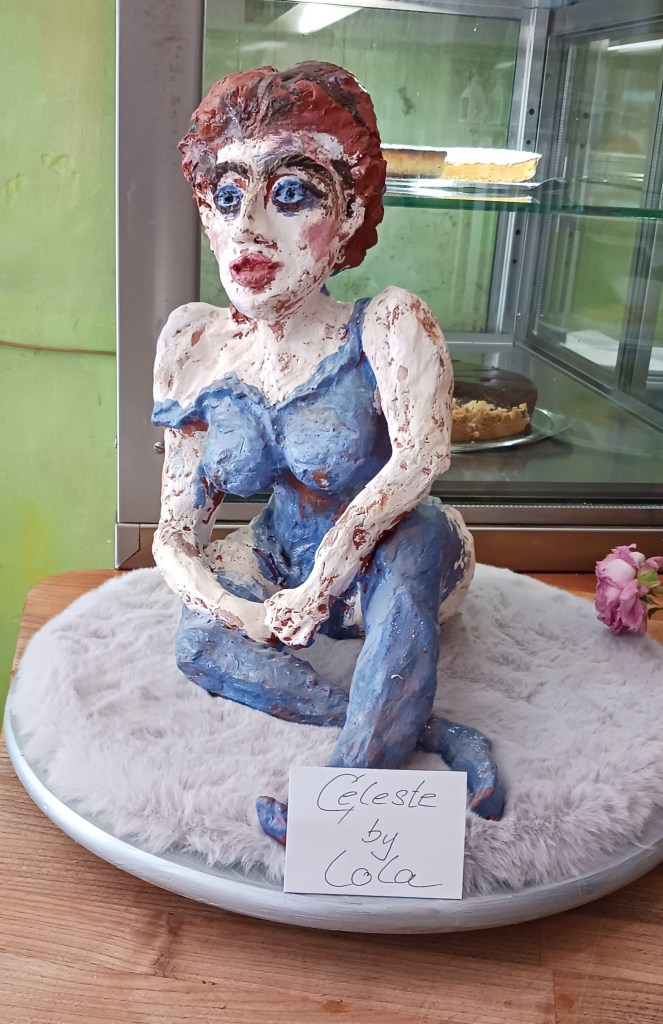
(unrelated to text, just beautiful)
Since I moved to the United States, I have lived transnationally in the literal sense of having crossed borders, and oceans, to live in a country different from the one I was born in. Before, I had moved around quite a bit within Germany (to Bamberg, Hamburg, and Bochum) and spent a – life changing – year as Erasmus student in Bilbao, Spain. There were lots of cross-cultural experiences in all of these moves. But permanently living and working in the US was a profound step, one where I turned from an insider to an outsider who had to slowly work her way in. To be clear: I always felt welcomed, but that is not the same as feeling that you belong.
I sometimes wonder why I have been so open to transplanting my life. The question is perhaps not obvious for those of you who grew up in the United States, where moving, especially for work, seems a basic cultural feature. I grew up parented by people who had experienced WWII and its aftermath as children. For them and their generation, settling down and building a home was an absolute, essential priority. I think I got from that a sense of deep roots, and I do feel uprooted when I leave a place, so there is a bit of pain in the passion (isn’t there always).
My parents built a house in Nuremberg, the city where my father had grown up and where the Zwingel family has lived for centuries (I can say that for sure as my grandfather did genealogy). My mother was an immigrant. She was born in a small farming village in the Sudetenland from where she and her family were expelled shortly after WW II when she was seven years old. This was a deeply traumatizing experience that nevertheless was not talked about much, partly because it was so common. For a few months, the family (without the father who had died somewhere in Russia) was not allowed to stay in any one place for longer than 48 hours. Later, they found a long-term accommodation in a dwelling for refugees near Halle, in East Germany. My mom spent her youth there before she migrated, by herself and 17 years young, to West Germany to find work. In Nuremberg, she met my dad, and that is where they settled down.

For many of us in the next generation, this post-war focus on stability became somewhat stifling. We wanted to do new things and explore, and of course we could – I grew up in a welfare state that deserved the name and offered many opportunities (practically free higher education, including student exchange programs in other European Union countries). In retrospect, it is clear that even if we found our parents’ lives uncool and uptight, they worked really hard to enable us to live our – better – lives. I sometimes wonder if this general context of wellbeing got mixed up, in my case, with my mother’s trauma of being expelled from the only place she knew. As if the pleasure and free decision to leave always also had a small component of panic and fear. In any case, I never had to migrate. Even my move from Bochum to up-state New York as the single mom of a one-year-old, which I recall as the most exhausting time of my life, was comparatively privileged as I had a reasonably paid tenure-track job waiting for me.
Moving to the US has made transnationalism an embodied experience. I know that I share this kind of life with many people and it can be considered “normal”, but I am in awe about its peculiarities when I make time to reflect on it. As a matter of fact, for almost 10 years after moving to the US, I wrote newsletters home to friends in Germany, sharing things that I found noteworthy from an intercultural perspective. I stopped this practice at a point when I realized that I had culturally “sunk in” and found it harder to comment on things with the curiosity of an outsider. Those of you who received these letters will probably recall some of it. One stand-out experience was my encounter with United States law enforcement, one of the scarier moments of “cultural difference”. I felt I had gotten a handle on small town life in upstate New York, which felt like the safest place on earth for me. I had to run into a store to return an item which took about two minutes, and for that time, I left 3-year-old Celeste in the car (trigger warning: to allow her to listen to a favorite tape with children’s songs, I left the car RUNNING). When I came back out, a towering, steel-blue eyed police officer was standing next to the car, and I will never forget the 2-3 seconds in which I realized that this was not a friendly encounter. Rather, he saw the criminal in me. Specifically, I had endangered the welfare of my child (since that time, I know that this is a misdemeanor, and that the next – highest – level of crime is a felony). What followed was a process full of panic (Would I be kicked out? Was the Green Card process in danger?) and a lot of hectic activity. I hired a lawyer and had about 30 friends writing letters attesting to my impeccable mothering skills (I still have these incredibly heartwarming letters). EVERYBODY whom I told about the incident told me a story back about two Danish mothers in New York city who had entered a coffee shop and left their sleeping toddlers outside in their strollers. Yes, exactly, I thought – what is the big deal?? Well, these two found out, just as I did.
I had a court hearing in which, despite my panic, I realized that I was in a privileged position. This was kind of a “country court”, with a judge present only on Wednesdays. Everybody had to gather in the courtroom, wait until their name was called and then step toward the judge – not very private. Among roughly thirty people, I was the only person with a lawyer. Two young black men were led into the court room handcuffed and in shackles! Many others were there in work overalls or with their children. My lawyer, who dressed impeccably and spoke the language of authority made it easy for the custodian of the law to see my innocence, or something of that sort, because the verdict was that I had to behave reasonably for another six months, then my record would be expunged (I think these were the words used – I still have difficulty with most legal terms in English, but some of them are branded into my brain forever). The experience made me profoundly insecure, but thankfully, it happened only once. I can only imagine what it is like to be confronted with the iron fist of the law on a regular basis (if you want to know, I recommend Alice Goffman’s On the Run, a stunning ethnographic study on the way criminalization and imprisonment is often weaved into the lives of poor people of color in the United States).
A few years later, when the shock had subsided, Celeste and I had our Green Card hearing. As those of you who went through this process know, it has its humiliating sides, like you should really be aware that not everybody deserves this, and you are in a LUCKY place. So of course, we both dressed up neatly, Celeste in a lovely dress with cute braids and all, and I in a professional skirt and blouse, like we REALLY want to be decent additions to this great country. While I had not been convicted of anything and hence had no criminal record, I was advised prior to this hearing to reveal the story, just so that nobody could construct my silence as trying to hide something. So I explained what had happened and added an assurance that I had learned my lesson. The officer was a very understanding woman. She nodded, told me that such culture clashes happen often and offered an example that she considered comparable (which in legal terms, it surely was): that of a Ukrainian family who regularly beat their son with a belt. The son must have found this as normal as his parents, so he talked about it in school, which resulted in BIG legal troubles for his parents.
I still feel sometimes like I do not belong in the US, even if I have citizenship now and have seen my child grow up here. That, I think, has been the most meaningful process of integration. You are at home where your child enters and interacts with the world, and you experience formative institutions – schooling in particular – together with them. After almost 18 years in the United States, this has become more my space than the “old country”. That I write this blog in English and not German is an indicator – the newsletters that I sent home after arriving could not have been written in English. However, I find myself in the awkward situation that I do not know the language that I now mostly use as well as the one I grew up with. When I speak and write in English, I still make mistakes, and there are words that I simply don’t know or don’t know how to use. I have made peace with the fact that this will always remain this way. On the other end, it still happens that when I spend enough time in Germany things appear clearer, more commonsensical, basically: more normal to me than in the US.
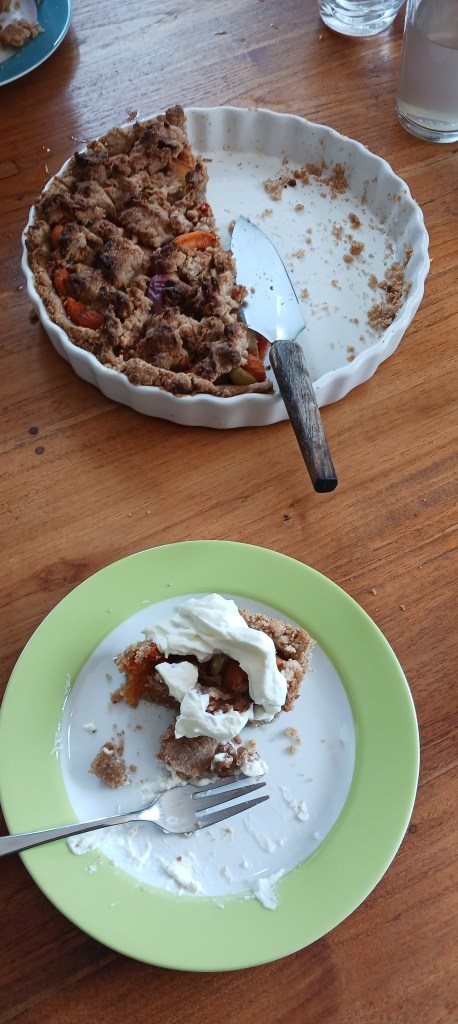
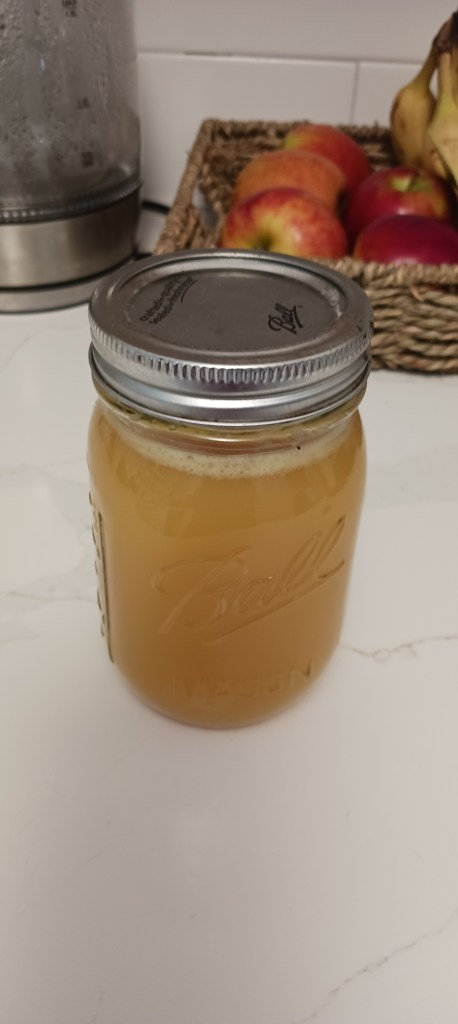
If you live transnationally, what are your experiences? I would LOVE to hear about them. Let me leave you, for now, with an overly pleasant – culinary – juxtaposition of my transnational life worlds: German Streuselkuchen and South Florida star fruit/juice. More in the next blog.

 The common sense feminist
Dear Susanne, as usual it was very interesting to read your blog.
In this case as a former researcher in the field of migration and as someone who also has a trajectory of moving around it was even more thrilling. Still remember your newsletters, always enjoyed reading them.
Migration is an interesting and important topic and will accompany us for many many years. I always have to remember Thomas Straubhaar saying: The question is not why people migrate, the question is why so many people do not migrate. Actually, I believe that many more people could be on the move.
I think people of the war or post-war generation in Germany did not talk too much about their experiences, maybe just lived with their traumas.
Several questions coming to my mind:
Which was your most difficult transition? Bamberg – Hamburg/ Hamburg – Bochum/ Bochum Potsdam/ Potsdam – Miami?
What would you need to get the feeling of belonging to the US?
Best regards from the tropics,
Volker
LikeLike
Lieber Volker, was fuer eine tolle Nachricht von Dir!
I will think of your questions for the next blog post. Immediate answer: I think the feeling of belonging somewhere comes with community. With people of your kind, “letting you in” and allowing you to feel part of something. That is why moving to Bamberg was not hard (also in Franconia, as Nuermberg, similar dialect and beer culture; and we were all young and students, trying to learn something, but really, looking for friends). Hamburg was a bit harder because it was overwhelming, big, and culturally different. I did feel at home after a while, but I remember that Bochum was more welcoming, even if I was not a student anymore and had to look a bit harder to find my peers. That was because Bochum has a very warm, funny, collective and I think egalitarian culture (Bergarbeiter etc). Potsdam, NY was REALLY welcoming, because so small and tight-knit, but simply because of language and culture, it was not easy to fit in. Being a parent was then probably the identity I shared with most people. Miami was hard. I will not go into it right now …
How about you? Would love to hear about your transitions!
LikeLike